
Rare Pokémon variants move in quiet cycles primarily because they trade in thin markets with low volume and long holding periods between sales. When only a handful of copies exist in public circulation, each transaction represents a significant portion of available supply, creating unpredictable price movements that can remain dormant for months before suddenly shifting. A first-edition Charizard with a printing error, for example, might see no sales activity for six months, then experience three transactions within a week—not because the card’s condition or rarity changed, but because the few collectors holding them happened to list or purchase simultaneously. The “quiet cycle” pattern emerges from the fundamental mismatch between collector intent and market liquidity.
Unlike common or moderately rare cards that trade consistently on established marketplaces, rare variants often exist in private collections where owners have no immediate need to sell. These collectors hold for years, creating gaps in price discovery. When transactions do occur, they may reflect special circumstances—an inheritance, financial need, or a collector upgrading to a better copy—rather than systematic market activity. This creates an illusion of stagnation interrupted by sudden volatility.
Table of Contents
- What Causes Low-Volume Trading in High-Rarity Pokémon Cards?
- How Supply Constraints Drive Price Volatility in Rare Variants
- Collector Psychology and Market Holding Patterns
- Tracking Price Movements in Quiet Markets
- Common Pitfalls When Buying or Selling Rare Variants
- Examples of Rare Variant Quiet-Cycle Patterns
- Future Outlook for Rare Variant Market Discovery
- Conclusion
What Causes Low-Volume Trading in High-Rarity Pokémon Cards?
The root cause of quiet cycles in rare variants is straightforward scarcity combined with collector hoarding behavior. A holographic error variant that only exists in perhaps five to ten graded copies has a built-in ceiling on possible transactions. When ownership concentrates among long-term collectors who bought years ago at lower prices, they have little incentive to sell. The psychological anchoring effect—where collectors remember their purchase price of $200 and decline offers of $800 because they fixate on the cheaper base reference—further reduces supply even when demand is present.
Comparison to the broader sports card market illustrates this dynamic clearly. High-end baseball cards like a 1952 Topps Mickey Mantle show similar patterns: prices can remain stable for a year, then jump 15% following a single auction sale that redefines the market comparable. This doesn’t indicate the card’s value changed—it means a transaction finally occurred that revealed current market sentiment. Pokémon rare variants operate identically; the quiet period isn’t a signal of declining interest but rather an absence of forced selling.

How Supply Constraints Drive Price Volatility in Rare Variants
The mathematical reality of supply-constrained markets means that even minor fluctuations in the tiny pool of available cards create disproportionate price movement. If four copies of a rare holo variant are currently known to exist, and two sit in private collections with asking prices around $1,200, then one is in a dealer’s inventory at $950, the market’s visible price is roughly $950—based on one listing. When the dealer sells that copy and the next available sale is at $1,500, the “market price” jumps 58% overnight, despite no fundamental shift in the card’s scarcity or condition.
A critical limitation to understand is that rare variant pricing data is often unreliable precisely because transactions are so sparse. Sales databases may show prices from 18 months ago as the most recent comparable; during those 18 months, the card’s condition, grading standards, or collector demand may have shifted significantly. A Black Lotus-equivalent rare pokémon variant graded by PSA in 2023 might have sold for $2,000, but if the next sale doesn’t occur until 2026, that $2,000 figure is misleading—it doesn’t account for potential grading population changes, condition discoveries, or market sentiment shifts. Buyers and sellers often operate with stale price anchors in these quiet periods.
Collector Psychology and Market Holding Patterns
Rare variant collectors form a distinct psychological category—they typically buy with decades-long time horizons and strong emotional attachment to their holdings. This behavior dramatically reduces the floating supply of rare cards. A collector who acquired a first-edition Blastoise variant for $600 in 2015 is unlikely to sell at $2,500 in 2023 because their identity as a collector, not a trader, dominates their decision-making. They view the card as a permanent fixture in their collection, not a liquid asset. This creates the quiet cycle: months pass with no market activity because the cards most coveted by other collectors are simply not available at any price.
The distinction between speculation and collecting explains much of the quiet-cycle pattern. Speculators aggressively trade, creating volume and price discovery. Long-term collectors hold patiently, creating scarcity and silence. When a rare variant finally trades, it’s often because the owner has passed away (estate sales), experienced financial hardship, or—rarely—found a price so attractive that holding longer seems irrational. These transactions don’t reflect ordinary market dynamics; they represent forced sellers meeting patient buyers.
Tracking Price Movements in Quiet Markets
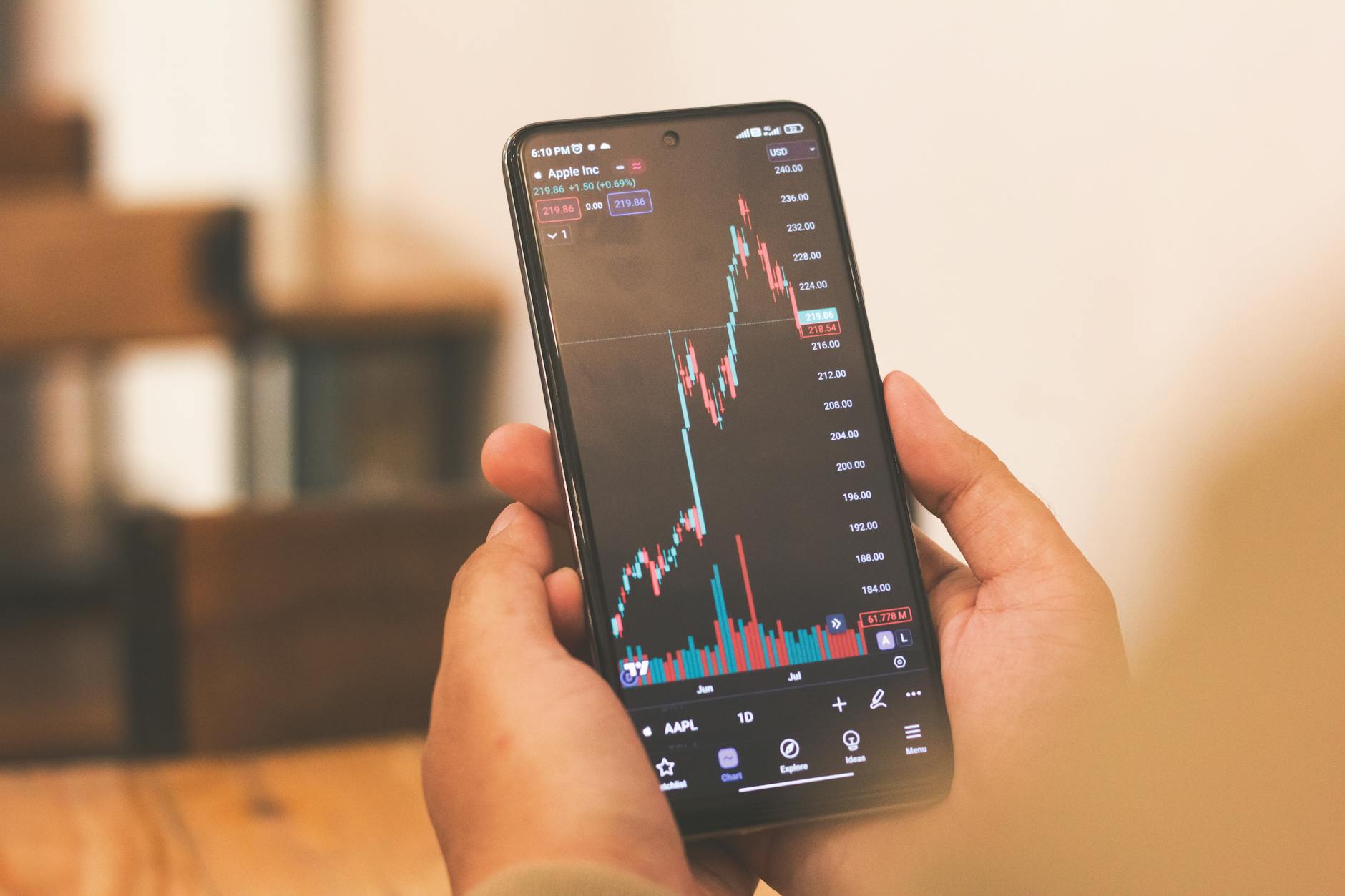
For collectors and investors interested in rare Pokémon variants, the practical approach requires abandoning the assumption that regular price data exists. Instead, actively monitor sales across multiple channels: auction houses (Heritage Auctions, Goldin Auctions), dealer inventory (both established retailers and niche specialist dealers), and private sales reported in collector forums and Discord communities. A price change in rare variants is meaningful data, but its absence isn’t. Six months of no sales activity is perfectly normal and tells you nothing about whether a card’s true market value has increased or decreased.
Comparison: Tracking a moderately rare card like a 1998 Charizard is straightforward—hundreds trade monthly, prices stabilize around a narrow range, and market sentiment is transparent. Tracking a variant in ultra-low supply requires completely different methodology. Set price alerts across multiple platforms, follow specialist dealers’ inventory updates, and subscribe to collector communities where private sales are sometimes discussed. Most importantly, establish a personal maximum price you’d pay and minimum price you’d accept, then ignore the quiet periods. If a variant doesn’t trade for nine months, that’s not a market failure—it’s market normalcy for ultra-rare cards.
Common Pitfalls When Buying or Selling Rare Variants
The most dangerous mistake is overweighting the most recent transaction price when it may be months or years old. A seller asking $3,500 for a rare holo variant might cite a sale from 18 months prior at $3,000, claiming they deserve a premium for appreciation. But no intermediate sales occurred; the seller is essentially guessing at current value. Buyers should require recent comparable sales (within the past 6 months ideally) and be prepared to negotiate downward if comparables are older. The absence of recent transactions is actually a red flag suggesting the asking price may exceed what the market will bear.
Another pitfall is attempting to identify trends from single transactions. If a rare variant sold at $1,800 last month after a year of inactivity, that’s one data point, not a trend. The next sale could occur at $1,600 or $2,200—you genuinely cannot know until it happens. Collectors often extrapolate wildly from scarce data points, convincing themselves that a single sale proves their card is “appreciating” when it simply proves that one collector valued it at that price on that day. Limit speculation about rare variants; focus instead on acquisition quality (condition, centering, eye appeal) and personal enjoyment value.

Examples of Rare Variant Quiet-Cycle Patterns
The first-edition shadowless holographic Charizard with a printing crease exemplifies quiet-cycle behavior in practice. Fewer than ten examples are known to graded status. One appeared at auction in 2019 (selling for $8,500), another in 2022 (selling for $9,200), and then silence. Not because the variant became less valuable, but because the known population is so small that years can pass between ownership transfers. A collector acquiring one of these cards should plan on holding it for 5-10 years without seeing publicly reported sales data; this isn’t a sign of decline but rather normalcy for ultra-rare cards.
Misprint variants—cards with inverted borders, misaligned holograms, or missing color blocks—create similar patterns. A single flawlessly documented misprint might be known to exist in only 2-3 graded copies. The previous sale was three years ago, the card hasn’t traded since, but that doesn’t mean it lost value. It means the current owners are collector-types with no intention of selling. When evaluating whether to acquire such a card, price it against any available comparable from the past two years, add a 10-15% premium for inflation and grading population changes, and make your decision on condition and your personal collecting goals—not on some illusion of momentum based on sparse transactions.
Future Outlook for Rare Variant Market Discovery
As the Pokémon card market matures, better infrastructure for tracking rare-variant sales may eventually emerge—specialist auction houses or online platforms dedicated to high-end variants could create more continuous pricing data. Currently, no centralized database effectively captures sales of cards in the $1,000+ range across all channels (private sales are invisible, dealer sales often unreported, and international sales scattered). This fragmentation will likely persist because the volumes are simply too small to justify building robust marketplaces.
The quiet-cycle pattern will likely persist as a permanent feature of the ultra-rare segment. Collectors will continue holding for years, transactions will remain sporadic, and price discovery will depend on occasional sales that may or may not reflect true market sentiment. For participants in this market, accepting quiet cycles as normal—rather than as market failures or signals of declining interest—is essential psychology. Your card’s value isn’t determined by how frequently it changes hands; it’s determined by the handful of collectors willing to bid for it when ownership finally becomes available.
Conclusion
Rare Pokémon variants move in quiet cycles because their scarcity creates thin markets where only a handful of copies exist in accessible circulation, and most are held by long-term collectors with no immediate selling pressure. The psychological and mathematical realities of supply-constrained markets mean that months or years can pass between transactions, and when sales do occur, they may reflect forced circumstances rather than systematic market activity. This creates an illusion of volatility interrupted by silence—not because the cards’ value is unstable, but because the flow of transaction data is sparse and sporadic.
To navigate this market successfully, abandon the expectation of regular price signals and instead focus on acquiring quality examples from specialist sources, establishing personal price anchors based on the best available comparables (even if they’re years old), and holding patiently. The quiet periods are normal. A card that hasn’t traded in eight months hasn’t failed; it simply means the current owner’s holding period hasn’t ended yet. When evaluating rare variants, price them fairly relative to condition and rarity, then accept that you may wait years for the next comparable sale to validate or challenge your purchase decision.
You Might Also Like
- Why Some Rare Pokémon Variants Still Slip Through eBay Pricing Cracks
- Why Some Rare Pokémon Cards Need the Right Buyer to Shine
- How to Buy Rare Pokémon Cards Without Chasing Headlines