
A loupe is an essential tool for card graders and serious collectors who want to assess card condition before submitting to professional grading services. Using a loupe involves holding the magnifying glass about 1-2 inches from the card surface, examining the card under proper lighting, and systematically checking for imperfections across all four corners, edges, and the card face and back. A standard 10x magnification loupe—the industry standard used by grading companies themselves—reveals surface wear, print defects, creases, and centering issues that are invisible to the naked eye, allowing you to predict your card’s grade before paying grading fees.
The difference between inspecting with your eyes alone and with a loupe can be dramatic. A card that appears flawless at arm’s length might show light corner wear, scratches on the holo, or off-center printing under magnification. For valuable cards, this pre-screening step saves money by preventing the submission of cards that won’t achieve your target grade, and it helps you understand the realistic ceiling for a particular card’s condition.
Table of Contents
- What Magnification Level and Loupe Type Do You Need for Card Inspection?
- Lighting Conditions and Why They Matter for Accurate Card Assessment
- Systematic Inspection Techniques—Corners, Edges, Surface, and Centering
- Comparing Your Assessment to Official Grading Standards—Setting Realistic Expectations
- Common Defects You’ll Identify Under Magnification—And What Actually Matters
- Using a Loupe to Check Card Authenticity and Detect Counterfeits
- Building a Card Inspection Routine and Integrating Loupe Assessment Into Your Collection Strategy
- Conclusion
What Magnification Level and Loupe Type Do You Need for Card Inspection?
The 10x magnification loupe is the gold standard because professional graders at PSA, BGS, and CGC use the same magnification when evaluating cards. This magnification reveals meaningful defects without the image distortion that comes with higher magnifications like 20x or 30x. Trying to use a 5x loupe will miss surface scratches and light print spots that impact grading, while 20x+ magnification introduces optical aberrations around the edges and makes it harder to see the card naturally.
You have two main loupe types: the handheld loop (a single lens in a small metal or plastic frame) and the stand loupe (mounted on an arm or base). Handheld loupes are portable and affordable, typically costing $15–$50, but they require a steady hand and practice to hold them correctly. Stand loupes cost $80–$300 but provide consistent positioning and are less tiring during long inspection sessions, making them better for high-volume collectors or anyone inspecting dozens of cards at once.
Lighting Conditions and Why They Matter for Accurate Card Assessment
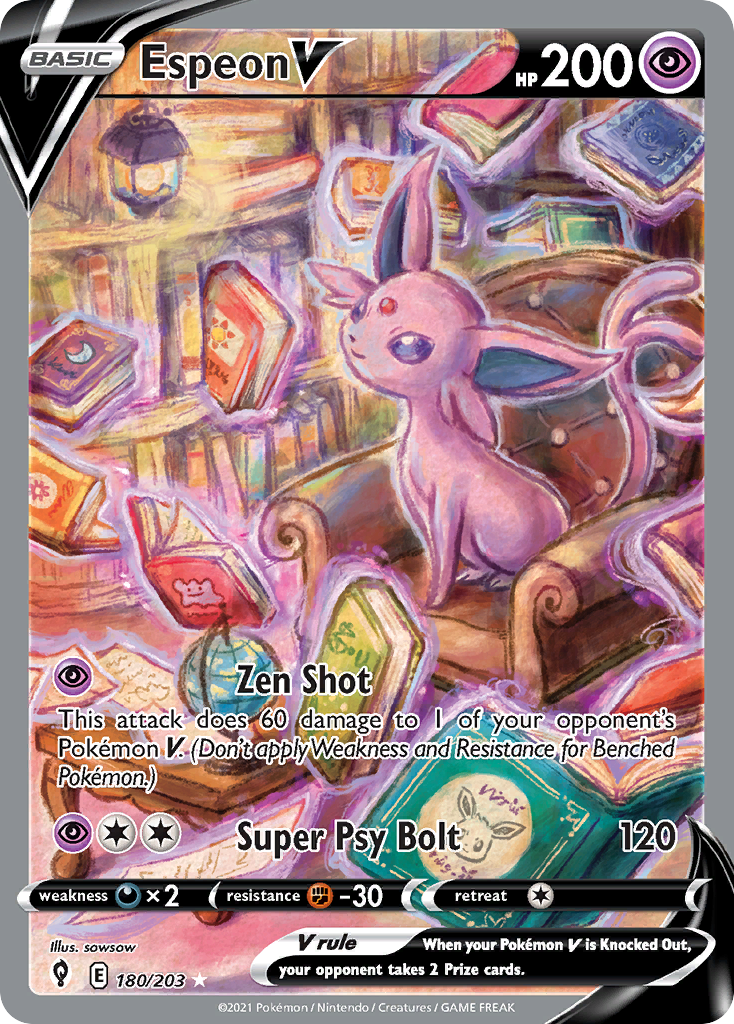
Proper lighting is non-negotiable when using a loupe—inadequate light makes it nearly impossible to spot surface wear, print defects, or centering issues accurately. Use a combination of bright overhead lighting and a focused desk lamp or LED light positioned at a 45-degree angle to the card, which creates shadows that highlight surface imperfections. Avoid direct sunlight, which can create glare and false reflections that obscure what you’re trying to see.
The limitation here is that lighting conditions significantly impact what you perceive. A card that looks flawless under dim lighting might show obvious scratches under bright, angled light. Many collectors discover that their card’s condition is actually lower than they thought once they inspect under proper lighting, only to be surprised again when the graded result comes back—because graders use standardized lighting that may differ from your setup at home. This is why inspecting under multiple lighting angles is important; if a defect is visible under one angle but disappears under another, it’s likely a very light surface mark that won’t significantly impact the grade.
Systematic Inspection Techniques—Corners, Edges, Surface, and Centering
A methodical inspection process prevents you from missing defects. Start with the four corners, examining each one for wear, whitening, or creasing. Then move to the edges, running your loupe along the top, bottom, left, and right borders to check for print lines, dents, or wear. Next, examine the card face, focusing on the holo pattern (where scratches are most visible), text areas, and background colors for print defects or surface wear.
Finally, flip the card and repeat the process on the back, where centering issues and reverse-side damage often go unnoticed. Centering—the alignment of the image within the card’s borders—is critical but commonly overlooked by casual collectors. A perfectly centered card has equal margins on all sides. Slight centering issues might go unnoticed without a loupe, but significant off-center cards lose grade points. Use the loupe to measure the visible border widths on each side; if the borders are noticeably unequal, the card is off-center, which will be factored into the grade.

Comparing Your Assessment to Official Grading Standards—Setting Realistic Expectations
Before you decide whether to grade a card, compare your loupe findings against official grading standards from PSA, BGS, or CGC. A Mint 9 card should have no visible imperfections to the naked eye but may show light surface wear under magnification. A Near Mint 8 will have minor wear visible under a loupe. Understanding where your card falls within these standards helps you avoid paying grading fees for a card that will only achieve a grade of 5 or 6 when you were hoping for an 8. The tradeoff is that your assessment under a loupe might be stricter or more lenient than a professional grader’s.
Graders have decades of experience, grade thousands of cards, and use consistent lighting and magnification. You have a loupe and some experience. A common mistake is underestimating a card’s grade because you’re seeing minor imperfections that don’t actually impact the final score—grading is about overall condition, not perfection. Conversely, new collectors often overlook significant defects because they don’t know what to look for. If you’re uncertain about a card’s grade after inspection, research comparable cards that have already been graded to calibrate your expectations.
Common Defects You’ll Identify Under Magnification—And What Actually Matters
Surface wear appears as light scratches across the card, most visible on holographic areas where the reflective surface amplifies imperfections. A light scratch might not be noticeable to the naked eye but becomes obvious under a loupe, particularly if you rotate the card under light. Corner wear shows as whitening or loss of the card’s finish at the edges—this is one of the most common defects and significantly impacts grade.
Print defects include spots, lines, or discoloration caused by manufacturing issues rather than handling. These defects don’t improve with careful storage and directly reduce a card’s grade. A warning: some print defects are manufacturing flaws that affect many cards from the same print run, while others are isolated to a single card. If you’re inspecting a card worth hundreds of dollars, a significant print defect might actually lower its value compared to a card with equivalent condition from centering or wear alone.
Using a Loupe to Check Card Authenticity and Detect Counterfeits
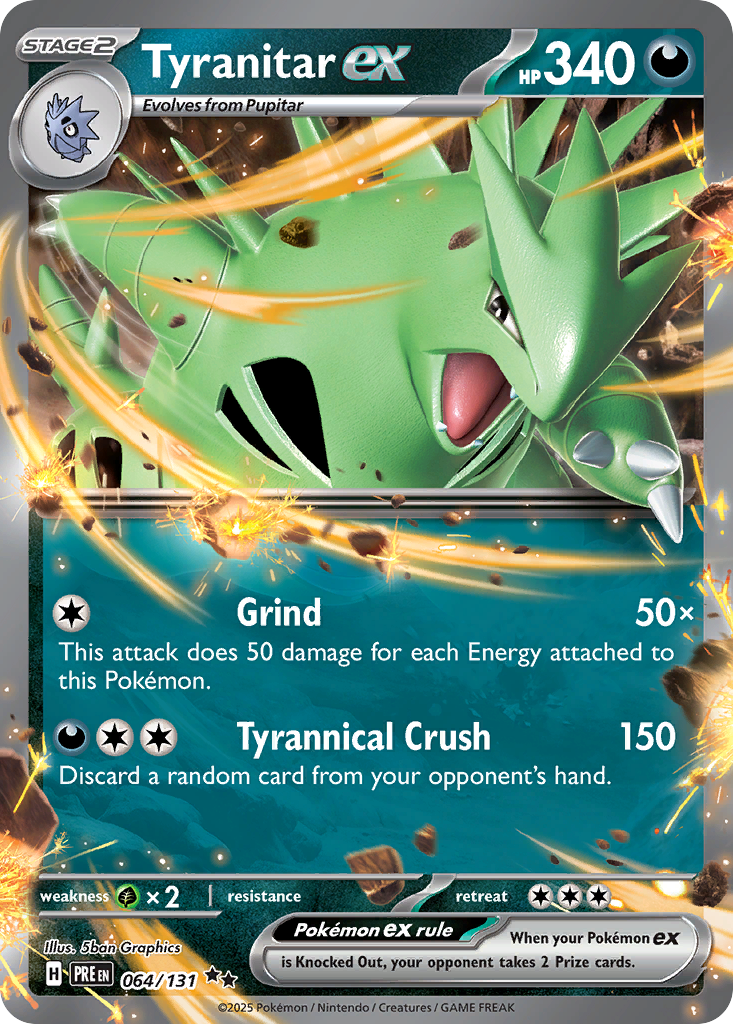
Beyond condition assessment, a loupe is valuable for spotting counterfeit or heavily restored cards. Authentic Pokémon cards have consistent ink density, proper registration (alignment of different color layers), and specific texture characteristics that vary by era.
Counterfeits often have slightly off colors, misaligned layers visible under magnification, or unusual texture that feels or looks wrong under magnification. Restored cards—those that have been chemically treated or reprinted to improve appearance—show telltale signs under a loupe, including unnatural color saturation, loss of original texture, or evidence of paint application. A moderately valuable card from the 1990s with obvious restoration signs is often worth less than an unrestored card in worse condition, so this pre-purchase inspection is crucial when buying from third-party sellers.
Building a Card Inspection Routine and Integrating Loupe Assessment Into Your Collection Strategy
Experienced collectors integrate loupe inspection into a consistent routine: photograph the card under standard lighting, document findings in a spreadsheet, and use that data to decide whether to grade, hold, or sell. This approach prevents emotional decisions and creates a record of your collection’s condition over time, particularly useful if you ever need to document cards for insurance or resale.
As the Pokémon card market evolves, professional grading companies continue refining their standards and may adjust grade boundaries based on population data and market trends. Developing your loupe inspection skills now prepares you for these changes and gives you confidence in your collecting decisions, whether you’re building a set, hunting for particular cards, or evaluating purchases from other collectors.
Conclusion
Using a loupe to inspect Pokémon cards before grading involves selecting a 10x magnification loupe, ensuring proper lighting, and systematically examining all four corners, edges, the card face, and back for wear, print defects, and centering issues. This pre-screening process saves money by preventing low-grade submissions, provides realistic grade expectations, and helps you identify cards worth professional grading versus those better suited for casual collection or trade.
Start by inspecting cards you already own to build familiarity with what different defects look like under magnification. Compare your assessments to official grading standards and previously graded comparable cards to calibrate your expectations. Over time, this skill becomes invaluable, allowing you to make informed decisions about which cards deserve grading investment and which are better left in your binder.
You Might Also Like
- Why Beckett Grading Is Less Popular for Pokémon Than Baseball Cards
- The Controversy Over PSA Grading Subjectivity in Pokémon Cards
- How BGS Grading Works for Pokémon Cards