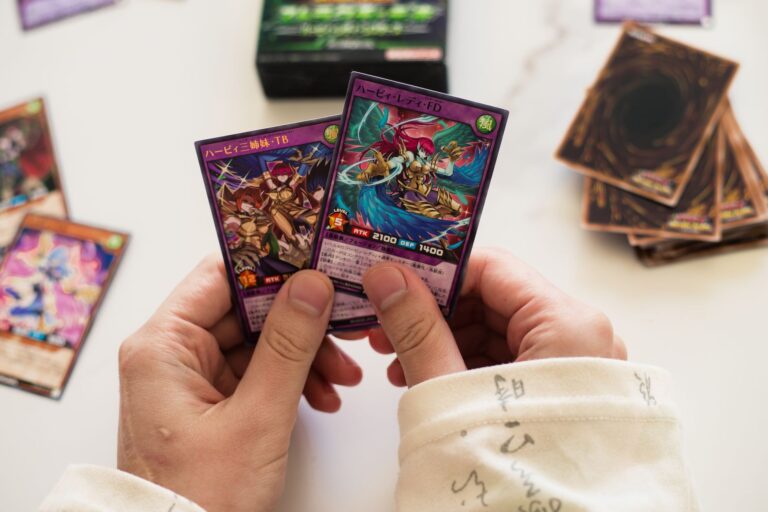
TikTok collector trends matter for vintage Pokémon card buyers because social media influence directly moves prices in ways that have become impossible to ignore. The #pokemoncards hashtag has accumulated billions of views, with pack opening videos, father-and-child pull moments, and investment breakdowns streaming continuously. When digital celebrities like Logan Paul, MrBeast, Randolph, and Leonhart showcase purchases or high-value pulls, prices shift measurably within days. This isn’t speculation—Logan Paul’s PSA 10 Pikachu Illustrator sold for $16.492 million in February 2026, setting the Guinness World Record for the most expensive trading card ever sold at auction. Vintage card buyers who ignore these trends miss critical context about market timing, demand cycles, and which cards are likely to appreciate.
The relationship between TikTok trends and vintage card values is now a market fundamental. Buyers are spending an average of 80 minutes daily watching trading card streams on platforms like Whatnot, which processed $6 billion in gross merchandise value in 2025 alone, with trading card games as the top category. This concentrated attention doesn’t just create awareness—it creates price pressure. Vintage WOTC cards showed 30-50% price increases heading into the Pokémon 30th anniversary celebration in 2026. For anyone serious about vintage cards, understanding how TikTok amplifies demand and drives temporary spikes is as essential as understanding grading, condition, and print lines.
Table of Contents
- How Do TikTok Trends Drive Vintage Pokemon Card Prices?
- The Scale of Social Media Influence on the Pokemon Card Market
- Real-World Examples of Influencer Impact on Card Values
- Understanding Grading and Pricing in the TikTok Era
- The Risks of Trend-Driven Speculation
- How to Monitor Trends Without Overweighting Social Media Signals
- The Future of Social Media and Vintage Card Markets
- Conclusion
How Do TikTok Trends Drive Vintage Pokemon Card Prices?
Social media visibility directly impacts vintage card prices because influencers reach millions of viewers instantly, creating sudden demand spikes that retail supply cannot immediately fill. When a popular content creator opens a vintage pack or highlights a card’s rarity, viewers search for comparable copies to buy. This demand is real—it shows up in auction bids, secondary market prices, and seller asking prices within 24 to 48 hours. The effect is strongest for cards that photograph well and have a narrative hook: a perfect condition Base Set Charizard has inherent rarity and investment appeal, but when a tiktok celebrity pulls or showcases one, the card becomes culturally relevant to millions of casual watchers who suddenly want to own or trade for a version themselves. The scale of this influence is quantifiable. Digital celebrities don’t just mention cards—their audience actions create measurable trading volume. A single viral video can cause temporary 10-20% price spikes on specific cards, particularly in the PSA 9-10 range where supply is tightest.
However, it’s critical to distinguish between temporary hype spikes and sustained price appreciation. A card that trends on TikTok for two weeks may fall 15-30% once the viral moment passes, especially if multiple creators jump on the same trend simultaneously. Buyers caught buying at peak hype—after a card has already gained 30% in a week—often find themselves holding overvalued inventory six months later when the next viral trend emerges. The influencer ecosystem also fragments demand across different cards. When Logan Paul’s Pikachu Illustrator sold for $16.492 million, it dominated conversation for weeks, but that concentration of wealth and attention in a single card doesn’t translate to across-the-board price gains. Meanwhile, PSA 9 and PSA 8 copies of the same card, and even PSA 10 Charizards or other high-grade Base Set cards, experienced modest gains but not the explosive growth the headlines suggest. Understanding which card categories your influencers are actually promoting—and whether those cards have fundamental rarity supporting the hype—is essential to making sound purchasing decisions.

The Scale of Social Media Influence on the Pokemon Card Market
The Pokémon graded card market now exceeds $10 billion in total capitalization as of 2026, and social media activity is directly correlated with trading volume spikes and price discovery. Whatnot alone shows 15,000 live card shows running at any given moment across all trading card games, with Pokémon commanding the majority of viewers and dollar volume. This isn’t a niche phenomenon—mainstream financial outlets like CNBC regularly cover card market moves because institutional money and serious collectors now treat vintage cards as alternative assets comparable to fine art or rare collectibles. The historical context amplifies this: Pokémon card prices have risen 1,350% since 2020, a gain that outperforms traditional asset classes like equities and real estate in many markets. Not all of this gain comes from social media—supply constraints, tournament results, new set releases, and genuine collector demand play significant roles. However, the TikTok era and the emergence of celebrity collectors directly accelerated the price curve starting around 2020-2021. A 1999 Base Set 1st Edition Charizard in PSA 10 is now worth $15,000 to $30,000 for PSA 9 copies and substantially more for 10s, compared to perhaps $5,000-$8,000 in 2019.
Social media visibility amplified awareness among casual buyers, which pulled more capital into the market. The limitation here is that social media metrics don’t always reflect sustainable value. An account with 10 million followers posting a “buy this card” message might temporarily drive prices up, but if the card lacks fundamental scarcity, demand will normalize downward. The 1st Edition vs. Unlimited pricing spread illustrates this: a 1st Edition Base Set Charizard ranges from $3,000 to $6,000, while an Unlimited version trades at $300 to $500. Both cards benefit from TikTok visibility, but the 1st Edition appreciates faster because supply is genuinely capped—only so many 1st Edition Charizards were printed in 1999. Buyers chasing trends on Unlimited copies or modern reprints often see minimal gains and can lose money when hype subsides.
Real-World Examples of Influencer Impact on Card Values
The most visible recent example is Logan Paul’s February 2026 purchase: a PSA 10 Pikachu Illustrator selling for $16.492 million through Goldin Auctions, breaking the Guinness World Record for most expensive trading card ever sold. This sale dominated headlines, TikTok discussions, and YouTube conversations for weeks. The result was measurable—other high-grade Pokémon cards, particularly 1st Edition Base Set cards and other PSA 9-10 specimens, experienced price increases as casual observers suddenly became interested in owning a “piece” of the Pokémon card market. Sellers who had inventory in stock raised asking prices by 15-25% in the weeks following this news, and many actually cleared inventory at those higher prices because the media cycle created fresh demand. However, Logan Paul’s mega-sale also illustrates the ceiling of influencer impact. His purchase was a one-time anomaly—the buyer had exceptional wealth and was making a record-breaking move designed to generate publicity. Meanwhile, the broader market for PSA 9 Charizards (typically $15,000-$30,000 range) and PSA 10s didn’t move up proportionally.
Sellers holding five or ten high-grade vintage cards made money when they listed immediately after the sale announcement, but the price gains weren’t permanent. By May 2026, prices on standard vintage cards had partially retreated, though they remained elevated compared to pre-announcement levels. The lesson: a single mega-sale creates hype and temporary demand, but it doesn’t typically support sustained appreciation unless the card category has other fundamentals driving value. Another example comes from competitive tournament results. When a new Pokémon TCG tournament season begins with a fresh set, winning decks get published, players and collectors rush to own copies of those cards, and prices spike. TikTok creators respond by opening packs, pulling tournament-relevant cards, and showcasing them, which multiplies demand. Prices might gain 20-40% over four weeks, then settle down by 30-50% of those gains when the next set releases and attention shifts. Vintage cards benefit from this cycle less directly, but the heightened interest in Pokémon cards overall—driven by social media coverage of tournaments and influencer content—tends to lift vintage card demand during tournament seasons.

Understanding Grading and Pricing in the TikTok Era
Grading has become essential because TikTok audiences care about condition and authenticity, and PSA or BGS graded cards command significant premiums over raw cards. A PSA 10 vintage card is worth 10 to 30 times more than a raw Near Mint copy of the same card—that’s not a minor difference, it’s the difference between $300 and $3,000-$9,000 depending on the card. Social media has accelerated this premium because viewers watching pack opening videos or showcases want to buy “the best” version of a card they’ve seen, and graded cards with visible labels and grades feel more legitimate and collectible. This has created a two-tier market: high-grade graded cards are readily available for purchase at premium prices, while raw high-quality copies are harder to move because buyers have social media-driven expectations for professional grading. The practical tradeoff is that getting cards graded is now almost mandatory if you want to sell at top prices, but grading costs money and takes time. A typical PSA grading submission costs $20-$100 per card depending on turnaround speed, and you’re paying that fee on cards that might only be worth $500-$1,000 total.
If your card grades lower than expected—a PSA 8 instead of the PSA 9 you anticipated—you’ve paid the grading fee and watched the value drop 30-50% or more depending on the card. Additionally, PSA’s reputation and grading standards are continuously debated in the community, which means a PSA 10 card might face pressure to be re-graded if the market decides grading standards have shifted. Buying raw cards directly from trusted sellers and inspecting them yourself requires expertise but saves grading costs and avoids the uncertainty of professional grading variance. The TikTok-driven demand for graded cards has also created a secondary market in third-party grading verification. Some buyers hire independent experts to verify grading before purchasing high-value cards, which is a smart safeguard but adds friction and cost to transactions. For vintage cards in the $5,000-$50,000 range, paying for a third-party inspection might save thousands if the grading is incorrect, so it’s often worthwhile. For lower-value vintage cards, most buyers trust PSA’s label and move forward.
The Risks of Trend-Driven Speculation
Trend-driven speculation in vintage cards carries real downside risk because viral demand is inherently temporary and often doesn’t reflect underlying card value. The clearest warning sign is when a card’s price gains accelerate sharply over weeks or months without corresponding supply constraint changes or tournament relevance. This pattern typically precedes a correction. Buyers who entered the market during the 2020-2021 Pokémon card bubble at peak prices learned this lesson painfully—prices fell 40-60% from their highs in 2021-2022 as casual buyers exited and professional resellers who’d accumulated inventory dumped stock to cover costs. Another risk is that TikTok trends are algorithmically driven and can shift suddenly based on platform changes, creator drama, or simply the next viral trend. A card that trends for two weeks might not be mentioned again for six months, even if its fundamental rarity hasn’t changed.
Buyers who bought specifically because of TikTok visibility—not because of the card’s inherent scarcity or condition—are now holding inventory that’s harder to move because the social media tailwind has disappeared. This is distinct from buying vintage cards based on print line, edition, PSA grade, and historical price trends, which are durable factors. Additionally, TikTok trends can create false scarcity narratives. A creator might suggest that “all PSA 9 1st Edition Charizards will be bought up soon,” which creates urgency and pushes prices up. In reality, PSA 10 and PSA 9 copies of major cards do appear for sale regularly at auction houses and private dealer sites, even if the timeline stretches to months rather than weeks. The perception of scarcity, not actual scarcity, often drives the price spike. Experienced collectors who wait out the hype cycle can often acquire the same cards three to six months later at 20-40% lower prices, which suggests the hype-driven gains were not based on fundamental supply constraints.

How to Monitor Trends Without Overweighting Social Media Signals
A practical approach is to monitor TikTok and Whatnot activity as one data source among many, not as the primary driver of purchasing decisions. Track which specific cards are trending, how long the trends last, and whether card prices actually sustain the gains after the hype peak. Websites like Pokemon Price Tracker aggregate pricing data across auctions and dealer listings, showing you actual transaction prices rather than asking prices or social media sentiment. If PSA 9 Charizard prices spike 30% in two weeks according to TikTok creators but auction house closing prices only show 8-12% gains, the social media narrative is outrunning actual market movement—a signal to be cautious about entering the market at that moment.
Another approach is to establish purchasing criteria independent of social media trends. Decide which cards you want to own based on condition, edition, rarity, and historical price trends, then establish maximum prices you’re willing to pay for each. When social media hype does arrive for those cards, you’ll have clear decision rules: if the card is at or below your target price, buy it; if it’s 20%+ above target, wait for the hype to subside. This approach removes emotion from purchasing and ensures you’re accumulating quality vintage cards at reasonable valuations, not chasing trends.
The Future of Social Media and Vintage Card Markets
Looking forward, social media influence on vintage Pokémon card prices is likely to intensify rather than diminish. The 2026 30th anniversary celebration generated substantial interest and price appreciation in vintage WOTC cards, and anniversary events are predictable opportunities for platforms and creators to generate content. New tournament seasons, product releases, and celebrity collector milestones will continue to create narrative hooks that drive TikTok and Whatnot activity. The platform infrastructure for live card shows is improving—Whatnot’s 15,000 concurrent shows suggest scale and tooling that will become more sophisticated—which means social media visibility will become an even larger factor in price discovery.
However, the market is also maturing. Serious collectors are distinguishing between hype and fundamentals, and institutional participants are evaluating cards based on long-term appreciation, not TikTok virality. This bifurcation suggests that the highest-quality cards—PSA 10s, rare editions, cards with strong tournament or cultural significance—will continue to appreciate in value driven by both social media and genuine scarcity. Meanwhile, speculative bubble cards that gained value purely from TikTok trends will likely face sustained price pressure as hype subsides and casual buyers exit. For vintage card buyers, this environment rewards patience, research, and the ability to identify cards with durable value drivers beyond social media visibility.
Conclusion
TikTok trends matter significantly for vintage Pokémon card buyers because social media visibility directly influences demand and price discovery in a market now worth over $10 billion. Influencer activity, viral pack openings, and celebrity purchases create measurable price spikes that can persist for months if the card has underlying rarity and condition supporting the hype. However, not all TikTok-driven gains are sustainable, and buyers who chase trends without understanding the fundamental drivers of card value—print edition, grading, supply constraints, and tournament relevance—often find themselves holding overvalued inventory. The most successful vintage card buyers treat social media signals as one data point alongside auction results, dealer pricing, and their own collecting criteria.
Your approach should be to monitor TikTok and social media trends as market intelligence, not as investment signals. Track which cards are gaining visibility and whether actual transaction prices support the narrative. Establish purchasing criteria based on card fundamentals and target valuations, then use social media hype as context for timing but not justification for overpaying. The 1,350% price growth in Pokémon cards since 2020 is real and sustainable for quality vintage cards, but the next 50% of gains will likely reward informed buyers who can separate temporary trends from lasting value, not those chasing whatever is viral this week.