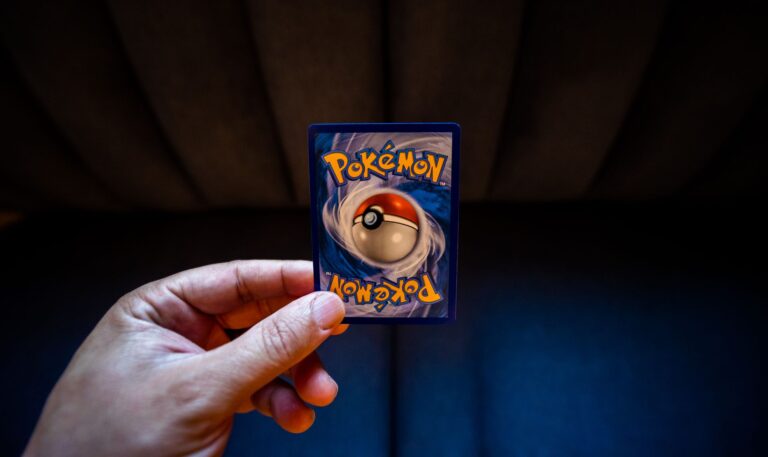
Pokémon’s first English set may indeed age like the most valuable comics ever sold, but not because their prices will reach nine figures. Instead, the parallel lies in their trajectory: a mass-produced product from an era when few understood what they held, now commanding prices that separate genuine scarcity from casual nostalgia. A first edition Base Set complete in PSA 10 condition sold for $911,629 in November 2025, up 50 percent from just two months earlier in September, when a similar set sold for $317,206. Individual cards like first edition Charizards have exceeded $400,000, with one PSA 6 example reaching $550,000 in September 2024. These numbers aren’t hypothetical—they’re real market values that echo the auction house prices of Action Comics #1, the 1938 Superman debut that sold for $9.12 million in November 2025, making it the most expensive comic ever sold.
The comparison holds deeper meaning than just price tags. Both comics and these Pokémon cards represent products released during optimistic, prolific print runs when nobody predicted collectors would obsess over them decades later. Yet the economics work differently. Superman’s 1938 debut exists in perhaps 100 copies worldwide at high grades; the first English Pokémon set had millions printed. This fundamental difference in scarcity, combined with how modern grading and authentication have transformed Pokémon cards into tradeable assets, suggests these cards may follow a comic-book-like aging pattern—appreciating significantly for the right examples while most printed copies depreciate toward their sentimental value.
Table of Contents
- How Early Pokémon Cards Compare to Golden Age Comics in Price Appreciation
- Rarity and Condition as the Determining Factors in Long-Term Value
- Market Demand and Why Pokémon Cards Compete Better Than Vintage Comics
- Investment Returns: Pokémon Cards Versus the Comic Book Market Precedent
- Grading, Authentication, and the Hidden Risks of Condition-Based Value
- Historical Precedent: What Comics Tell Us About Twenty-Five Year Old Collectibles
- The Future of First Edition Pokémon Cards in a Changing Collector Landscape
- Conclusion
How Early Pokémon Cards Compare to Golden Age Comics in Price Appreciation
The mathematical comparison between Pokémon card appreciation and comic book returns reveals why collectors see them as parallel assets. Pokémon trading cards have appreciated 3,800 percent from 2004 to 2025, a trajectory that dwarfs traditional comic book returns. Spider-Man’s first appearance, for example, has returned approximately 11 percent annually since 2009—solid performance, but a fraction of Pokémon’s explosive growth. What makes this comparison meaningful is timing: both asset classes experienced explosive value discovery decades after release. Superman Action Comics #1, valued at $6 million for a CGC 8.5 copy sold in April 2024, was a $0.10 newsstand purchase in 1938. First edition Charizards were part of $3.99 booster boxes in 1999.
Yet the Pokémon growth rate raises a cautionary flag that comic collectors know well: exponential appreciation often precedes market maturation and deceleration. When a complete first edition set jumps 50 percent in two months, it suggests either sustained collector enthusiasm or speculative buying before a potential correction. Comics experienced similar euphoria in the 1990s, when investors bought hundreds of copies expecting them to appreciate like Golden Age books. Many collectors lost money when that market corrected. The precedent suggests that while first edition Pokémon cards will likely maintain value far above their original cost, the 3,800 percent growth rate of the past 20 years won’t continue indefinitely. The market may be pricing in future appreciation that doesn’t materialize.

Rarity and Condition as the Determining Factors in Long-Term Value
What separates the $911,629 complete set from a $50 bulk lot of first edition base set cards is grading and condition—the same metric that transformed Superman #1 into a nine-figure asset. In the comics world, the difference between a CGC 8.5 ($6 million) and a lower-grade copy can be millions of dollars. Pokémon cards follow the same principle, but with a crucial limitation: graded cards are a relatively recent phenomenon. The oldest first edition Charizards were printed in 1999, decades after their creation, unlike Superman which has been collectible since 1938. This means fewer cards naturally aged in pristine condition; most were played with, exposed to sunlight, or stored in sub-optimal conditions. The surviving PSA 10 examples represent a tiny fraction of original print runs.
This is where the comparison to comics begins to fracture. Superman #1 has a known population—approximately 100 high-grade copies exist, documented over nearly a century. First edition Base Set Charizard populations are still being discovered, still being graded, and the total population remains uncertain. Thousands of ungraded, potentially higher-grade copies may exist in attics and storage boxes worldwide, waiting to enter the market. If significant numbers of previously-unknown PSA 9 or PSA 10 Charizards surface, prices could decline sharply as supply increases. Comics collectors learned this lesson when high-grade copies of books thought rare were rediscovered. The Pokémon market assumes current scarcity will hold, but that assumption carries genuine risk.
Market Demand and Why Pokémon Cards Compete Better Than Vintage Comics
Where Pokémon cards actually outperform comics is in active market demand and accessibility. Pokémon cards took three of the top 10 spots in eBay’s 2025 ranking of collectible-related searches; comic books did not crack the top 10. This signals a generational shift: younger collectors actively seeking Pokémon cards outnumber those hunting vintage Superman issues. Comics remain valuable because they’re rare and historically significant, but Pokémon cards have become culturally relevant again through Pokemon Company releases, Nintendo games, and streaming content that keeps the franchise alive. Superman #1 appreciates because nobody’s printing more copies; Pokémon cards appreciate because millions of people actively want them right now.
This ongoing demand is the real parallel to classic comics. When Spider-Man first appeared in 1962, subsequent decades of reprints and reissues didn’t crash the original’s value because it remained historically significant. Similarly, the English Pokémon Base Set (released in 1999 with first edition printings) maintains value not because Pokémon is nostalgia, but because the franchise generates consistent, measurable collector interest. The release of 11 English Pokémon TCG sets with first edition printings between January 1999 and February 2002 created a window of collectible scarcity that, unlike comics, includes modern authentication and grading standards from the start. This structural advantage means first edition cards have better provenance records and more reliable value estimates than most vintage comics.

Investment Returns: Pokémon Cards Versus the Comic Book Market Precedent
The investment case for first edition Pokémon cards rests on the assumption that they’ll behave like appreciating art assets, not like the speculative bubble that burst in the 1990s comic market. A collector who bought a first edition Charizard in 2010 for $5,000 and sold it in 2024 for $400,000+ achieved returns that would make any investor envious. But this comparison masks a critical difference: those early returns happened when the market was discovering Pokémon cards’ investment potential. Once a market matures and most valuable copies are already in collectors’ hands, appreciation slows from exponential to linear. Comic books experienced exactly this transition. They still appreciate, but at historical rates (11 percent annually for Spider-Man) that pale compared to Pokémon’s recent surges.
The tradeoff is liquidity versus returns. Superman #1 appreciates steadily and is instantly recognizable as valuable, but selling one requires finding a serious collector with six figures. A first edition Charizard in PSA 10 can sell quickly on auction sites because demand is higher and the buyer pool is larger. This liquidity advantage means Pokémon cards function as better investments for people who might eventually need to sell. Comics, particularly Golden Age books, sit in private collections for decades because finding a buyer at the right price is difficult. Yet comics have a 90-year track record of appreciation; Pokémon cards have a 25-year track record in their current form. Time will ultimately determine whether first edition cards age like Superman or like the thousands of 1990s speculative comics that became worthless.
Grading, Authentication, and the Hidden Risks of Condition-Based Value
Both Pokémon cards and comics depend entirely on third-party grading services to command premium prices, and both markets have learned that grading is imperfect. A PSA 10 Charizard sells for $400,000; the same card with one point lower, a PSA 9, might fetch $80,000. This binary valuation system creates moral hazard: grading companies have financial incentives to grade cards highly, and collectors have incentives to believe grades are accurate. The comic book world experienced this directly. In the 1990s, CGC grading transformed the market by providing standardized assessment, but subsequent investigations revealed inconsistencies in grading standards over time. Cards graded as 9s in 2015 might not achieve 9s if resubmitted to PSA today.
The warning for Pokémon collectors is straightforward: never treat a graded card as a guaranteed asset. The grade is a snapshot of condition at the moment of assessment, and both grading standards and market preferences change. First edition Lugia cards in PSA 10 condition sell for $80,000 to $145,000, a wide range that suggests even professional graders disagree about where the boundaries lie. Additionally, the oldest first edition cards are approaching 25 years old, and some are showing signs of aging—light fading, slight surface wear—that weren’t visible when they were graded. A card graded PSA 10 in 2015 might receive a lower grade if cracked and resubmitted today. Collectors banking on appreciating prices must maintain cards in perfect storage conditions, which adds ongoing costs and complexity absent from most investments.

Historical Precedent: What Comics Tell Us About Twenty-Five Year Old Collectibles
The comic book market provides a useful historical lens because we can look back 25 years and see which books appreciated and which didn’t. In 2001, collectors were enthusiastic about 1990s comics, convinced they’d become valuable like Golden Age books. Most didn’t. The difference was authenticity: Golden Age books represented the true origin of iconic characters; 1990s books were created during an oversaturated market with no scarcity. First edition Pokémon Base Set cards occupy a middle position. They represent the true origin of English Pokémon cards, giving them historical authenticity that 1990s comics lacked. Yet millions were printed, creating more supply than rarity advocates admit.
Consider the fate of variant covers and limited edition comics from the 1990s. A comic with a “platinum edition” holographic cover was supposed to be rare and valuable. Decades later, thousands still exist in ungraded form, and most sell for a few dollars above face value. The lesson: scarcity must be real, not just perceived. First edition Base Set Charizards are genuinely scarce in high grades—the $550,000 sale price confirms that. But the market’s confidence in their long-term value rests on an assumption: that populations won’t significantly increase, and that demand will remain strong. Comics taught us both assumptions can fail. Supply can surprise the market (undiscovered copies surface), and demand can shift (tastes change, new collectibles compete for attention).
The Future of First Edition Pokémon Cards in a Changing Collector Landscape
The sustainability of first edition Pokémon card prices depends on whether Pokémon remains culturally relevant in 2050 the way Superman has in 2025. The franchise has advantages that 1990s comics lacked: active video games, movies, trading card game releases, and a massive global fanbase that extends beyond collectors to casual players. This ongoing cultural presence suggests that first edition Base Set cards will age like Superman #1, maintaining value because they represent a touchstone moment in entertainment history. Nobody will collect them because they’re boring investments; people will want them because they owned or played these cards as children. Looking forward, the Pokémon card market will likely fragment.
The rarest, highest-grade cards—first edition Charizards, Lugia, complete sets in PSA 10—will behave like Blue Chip comics, appreciating steadily and remaining stable stores of value. The broader first edition market will mature, with mid-grade cards appreciating at 5-10 percent annually rather than 3,800 percent. Mass-produced lower-grade cards will depreciate toward sentimental value, useful for casual players and completionists but not serious investments. This differentiation mirrors the comic market today, where Superman #1 trades at auction for millions while most 1960s Superman issues cost less than their original cover price. The question isn’t whether first edition Pokémon cards will age like valuable comics—it’s which ones will, and at what price.
Conclusion
Pokémon’s first English set may indeed age like the most valuable comics ever sold, but this parallel requires important caveats. The $911,629 complete set and $400,000-plus Charizards prove that certain examples will appreciate dramatically, following a trajectory similar to Superman #1’s rise to $9.12 million. Both assets share the fundamental pattern: mass-produced, undervalued when new, now recognized as historically significant and scarce in high grades. Yet the comic book market’s 90-year history demonstrates that not every old collectible becomes valuable, and that appreciation eventually slows from exponential to linear. First edition Pokémon cards have appreciated 3,800 percent since 2004, but this rate won’t continue indefinitely. The market will mature, populations may expand if undiscovered copies surface, and demand might shift as new generations discover different collectibles.
For collectors and investors, the lesson is selective: the rarest, highest-grade examples will likely prove valuable decades from now, particularly if Pokémon remains culturally relevant. The PSA 10 Charizards and complete sets will behave like comic investments, growing at modest but consistent rates. Everything else carries more risk. The comics market taught collectors that condition, rarity, and historical significance drive long-term value, but that these factors alone don’t guarantee appreciation. Apply those lessons to Pokémon cards: focus on authenticity and grade, understand that current valuations assume continued demand, and recognize that the explosive growth phase will eventually end. If you’re buying for passion and historical collecting, first edition Pokémon cards represent genuine collectibles worth preserving. If you’re buying for investment returns, treat them as a portfolio component, not a guaranteed path to wealth.