Pokémon is dominating gaming news in 2026 because the franchise is experiencing an unprecedented convergence of major releases, production milestones, and competitive opportunities all happening simultaneously. Three significant games launched within two months—Pokémon Pokopia in March, Pokémon Champions in April, and the anticipation building for Pokémon Winds & Waves—while the Trading Card Game reached historic production levels with 85 billion cards printed in the past year. This isn’t a single viral moment or one breakout title; it’s a coordinated ecosystem of products reaching critical mass at the same time, creating a feedback loop where each segment of the franchise amplifies interest in the others.
The timing matters because gaming news cycles typically move between franchises—one quarter might belong to Final Fantasy, the next to Call of Duty. Pokémon’s ability to sustain momentum across multiple formats simultaneously is unusual. Pokémon GO still maintains 110 million monthly active players, the TCG Pocket mobile game has generated over 30 million downloads, and the trading card game itself has experienced a 13% production increase year-over-year. For collectors and players focused on Pokémon pricing specifically, this convergence directly impacts card values, availability, and investment potential.
Table of Contents
- Why Multiple Game Launches Drive the News Cycle
- Trading Card Game Production at Historic Scale
- Pokémon GO Maintaining Relevance Five Years Later
- Competitive Gaming’s First World Championships
- The Supply Chain Pressure Despite Record Production
- Platform Diversity as a News Amplifier
- Market Trajectory and What’s Next
- Conclusion
Why Multiple Game Launches Drive the News Cycle
The three major releases in early 2026 represent different entry points for different audiences, and that diversity is why gaming outlets can’t stop covering pokémon. Pokémon Pokopia launched March 5, 2026, and immediately became the franchise’s highest-rated game in over a decade with 2.2 million copies sold in four days. That kind of critical and commercial performance doesn’t happen quietly—major gaming sites ran extensive coverage because the numbers spoke for themselves. Meanwhile, Pokémon Champions arriving on both Nintendo Switch and the new Switch 2 platform signaled that Nintendo wasn’t relegating Pokémon to legacy hardware, which alone generated headlines about platform strategy and backwards compatibility.
The most anticipated entry, Pokémon Winds & Waves (the Generation 10 mainline games), hasn’t even launched yet but already dethroned Capcom’s Pragmata as Famitsu’s “Most-Wanted” game. That’s the kind of headline that appears in mainstream gaming press because it signals broader market trends. When a franchise this established can knock a competing AAA title off the anticipation rankings, it becomes a story about market dynamics, consumer preferences, and the enduring appeal of Pokémon’s core formula. For trading card collectors, each of these game releases typically sparks secondary waves of interest—new players buying cards of their favorite characters from the new games, existing players selling or trading to fund game purchases.

Trading Card Game Production at Historic Scale
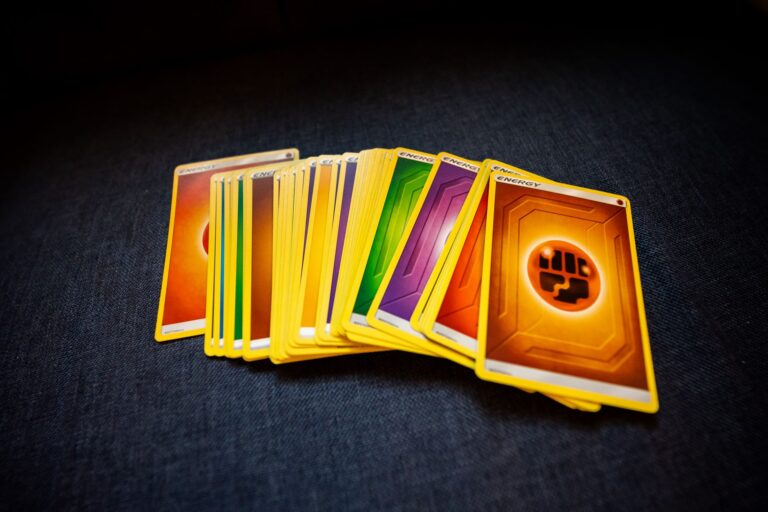
The TCG numbers are genuinely staggering and represent a critical story for anyone tracking Pokémon’s market impact. Between March 2025 and March 2026, the Pokémon Company printed 85 billion cards globally, an increase of approximately 10 billion cards from the previous year’s 75 billion. To put that in perspective, that’s roughly enough cards for every person on Earth to have 10 cards, distributed in a single year. The recent Mega Evolution—Rising Chaos expansion, released May 22, 2026, is already moving through channels with this unprecedented production volume behind it.
The limitation worth understanding is that even with this massive increase, demand still outpaces supply in many markets. The Pokémon Company wouldn’t keep printing at these levels if retailers and collectors weren’t consuming product faster than expected. This creates a specific risk for card investors: higher supply can theoretically suppress prices for common cards, but the data so far suggests that production increases are being fully absorbed by the market without significant price crashes. For collectors focused on specific high-value cards or sealed products from previous years, the increased production actually protects your investment by preventing the newer products from overshadowing older sealed boxes that retain collector appeal.
Pokémon GO Maintaining Relevance Five Years Later
Most mobile games experience sharp player decline after 18 months. Pokémon GO launched in 2016 and still maintains 110 million monthly active players as of the most recent data. That’s not a niche player base—it’s larger than the population of most countries. The game has generated sustained news coverage because it remains a top-tier earner for Niantic and continues to drive real-world engagement, which gaming journalists find noteworthy in an era of declining outdoor activity among younger players.
The May 2026 event schedule demonstrates why the coverage persists: Community Days featuring Lechonk and Deino, a Mega Falinks Super Mega Raid Day debut, and the announcement of Global GO Fest 2026 scheduled for July 11-12 with regional events in Tokyo, Chicago, and Copenhagen. Each of these generates articles because they represent Niantic’s ongoing commitment to live-service engagement. The addition of Mega Mewtwo (both X and Y variants) to Pokémon GO through GO Fest celebrations reinforces that the game is still receiving substantial content updates. For card collectors, the GO player base represents a constant influx of people discovering Pokémon through the mobile game and subsequently entering the TCG—a customer acquisition funnel that few franchises maintain as effectively.

Competitive Gaming’s First World Championships
Pokémon Champions introduced a competitive element that the mainline games never officially sanctioned at a global level until now. The first-ever world championships scheduled for 2026 represents a structural change in how the franchise operates competitively. This is significant because it gives professional gaming organizations, sponsors, and streaming platforms a reason to cover Pokémon alongside traditional esports titles like League of Legends or Counter-Strike.
The comparison worth making is to how the Pokémon TCG’s world championship has operated for decades—it has built a dedicated competitive community that drives both participation and viewership. Now that the video games have a similar framework, you’re likely to see esports investment, streaming partnerships, and media coverage that treats Pokémon Champions with the same legitimacy previously reserved for the TCG’s competitive scene. For collectors specifically, this matters because competitive interest tends to correlate with card prices. When a format gains recognition as a legitimate competitive outlet, cards that see play in competitive decks typically increase in value relative to cards with only casual appeal.
The Supply Chain Pressure Despite Record Production
The irony of the 85 billion card production figure is that it’s simultaneously a success metric and an indicator that demand is outpacing the Pokémon Company’s ability to keep shelves stocked. This is a warning signal for anyone building a collection for investment: the company has clearly identified pent-up demand and is responding with production increases, but the fact that increased production is still insufficient suggests the supply issue is structural rather than cyclical. Retailers report difficulty keeping popular products on shelves, which means secondary market prices for limited items remain elevated.
If the Pokémon Company achieves its production goals without further increases, prices could stabilize or decline. If they announce additional production increases, that signals either that 85 billion cards still isn’t enough or that they’re projecting sustained demand through 2027. For card investors, the current moment represents a window where older sealed products command premium prices specifically because newer production is racing to catch up to demand. If production ever actually exceeds demand, those premiums could compress significantly.

Platform Diversity as a News Amplifier
Pokémon isn’t dominating news because of a single blockbuster hit—it’s dominating because the franchise spans gaming’s entire ecosystem simultaneously. You have the mainline games (Pokopia and Winds & Waves), the competitive game (Champions), the mobile phenomenon (GO with 110 million players), the digital CCG (TCG Pocket with 30 million downloads), the physical TCG at historic production levels, and now LEGO Pokémon confirmed via leaked listings with Arcanine from the original Pokédex. That’s seven distinct product lines generating news across different media outlets covering different gaming verticals.
This diversity means gaming journalists covering console releases, mobile games, trading cards, tabletop, esports, and even physical construction toys all have Pokémon stories in their queue simultaneously. Contrast that with a franchise that relies on a single annual release—Pokémon generates constant news precisely because something is always happening across multiple formats. For collectors monitoring market trends, this diversity actually stabilizes the franchise’s overall health. Even if one category underperforms, the others maintain momentum and keep Pokémon culturally relevant.
Market Trajectory and What’s Next
The combination of strong critical reception (Pokopia’s highest ratings in over a decade), massive production (85 billion cards), maintained mobile engagement (110 million GO players), and formalized competitive structures (Champions world championships) suggests Pokémon is entering another growth phase rather than cycling into decline. The roadmap through mid-2026 and beyond includes GO Fest events, continued TCG expansion releases, and the Winds & Waves launch, meaning the news cycle isn’t likely to quiet down in the near term.
The longer-term question is whether production growth can continue sustaining itself or whether the market eventually reaches saturation. Gaming cycles suggest the current surge will maintain through 2026 and likely into 2027, given the content pipeline. For card collectors and investors, the implication is that this environment of elevated demand and supply constraints could persist longer than historical norms—potentially extending the premium pricing window for sealed products and high-value cards before eventual market correction.
Conclusion
Pokémon dominates gaming news in 2026 because multiple products reached critical mass simultaneously, creating a feedback loop where each segment amplifies interest in the others. Three major game releases, record TCG production, sustained mobile engagement with 110 million GO players, and formalized competitive structures converge to give gaming outlets constant stories to cover across different verticals. For collectors and investors focused on Pokémon card pricing, this environment of elevated demand and constrained supply represents a specific market window—one where sealed products command premiums and competitive-format cards maintain value.
The key takeaway is to monitor both the production metrics and the product roadmap. As long as demand continues exceeding supply and the Pokémon Company successfully delivers on its announced releases, the news cycle and the market dynamics supporting higher card prices will likely persist. However, watch for signals of saturation—if retailers begin reporting overstocked inventory or if production increases fail to sell through quickly—as those would indicate the peak of the current cycle.