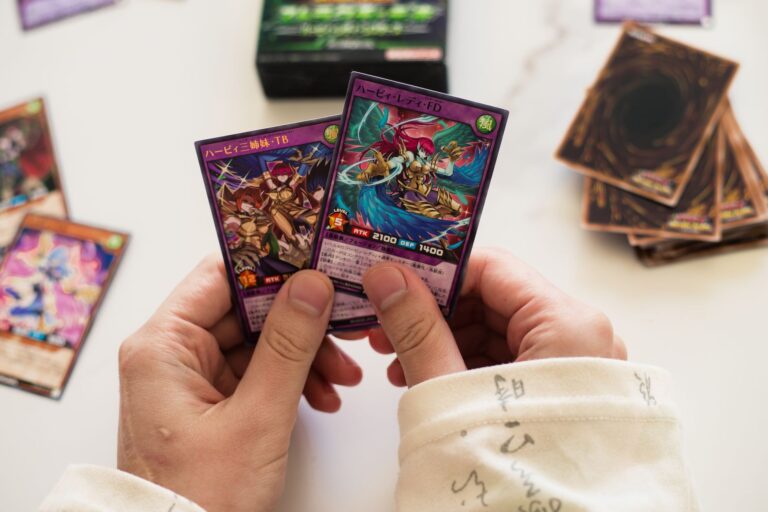
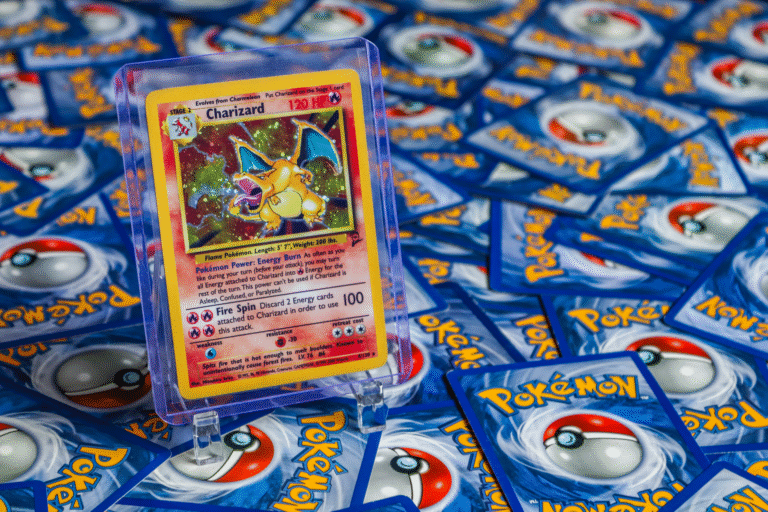
Pokémon is one of the most flexible blog niches available because the franchise spans multiple markets and audiences that rarely overlap, allowing writers to build sustainable content around collecting, investing, competitive play, gaming nostalgia, and trading mechanics without competing in a single saturated lane. A blogger focused on base set first edition card valuations can coexist with another covering casual TCG tournament strategies or modern set releases without cannibalizing each other’s traffic—each addresses distinct reader intent and monetization opportunities.
This flexibility means your content calendar can pivot between beginner-friendly price guides one week and in-depth analysis of PSA 10 Charizard market trends the next without losing audience coherence. The Pokémon ecosystem is fundamentally different from narrower niches because it combines legit investment culture, active gameplay, nostalgia-driven collecting, and speculative trading into a single universe. Unlike collectibles niches that rely primarily on historical value (say, vintage comic book grading), Pokémon content can tap into real-time price fluctuations, tournament results, new set releases, and cultural moments—all of which generate fresh search demand and content angles continuously.
Table of Contents
- How Does Pokémon’s Diverse Audience Create Multiple Content Opportunities?
- The Double-Edged Sword of Pokémon’s Market Volatility
- Competing Subniches Within Pokémon Create Natural Topic Silos
- Content Production Speed and Sustainability in the Pokémon Space
- Authenticity and Counterfeit Detection as Both Opportunity and Liability
- The International Market Dimension
- Future-Proofing Your Pokémon Blog as the Market Evolves
- Conclusion
- Frequently Asked Questions
How Does Pokémon’s Diverse Audience Create Multiple Content Opportunities?
pokémon attracts fundamentally different reader personas who search for entirely different information. Someone searching “how to grade a PSA 10 Charizard” has nothing in common with a reader looking for “best meta decks for Pokémon TCG tournaments,” yet both are legitimate Pokémon audiences worth serving. This audience fragmentation is actually an advantage: you can build topical authority in multiple directions simultaneously.
A single website can rank for price guides, tournament analysis, counterfeit detection guides, and historical release information without the content cannibalizing each other’s search rankings. The nostalgia angle alone supports years of content. Parents rediscovering Pokémon, millennial collectors re-entering the market, and Gen-Z players discovering original cards all search for different things: parents want “complete Pokémon card set prices,” millennials want “which childhood cards are worth money now,” and younger collectors want “how to start collecting Pokémon cards.” These are separate, non-overlapping keyword clusters with distinct commercial intent.

The Double-Edged Sword of Pokémon’s Market Volatility
Pokémon card prices are notoriously unstable, which creates both content opportunities and significant risk. High-demand vintage cards can appreciate 40-60% in a single year due to celebrity endorsements, YouTube influencer effects, or spec buying—and that volatility generates content that people actively search for. However, this same volatility means your price guides have a shelf life measured in weeks or months, not years. A guide about “best value graded cards under $500” written in January 2023 could be completely outdated by summer because market crashes or renewed buying pressure shift the landscape.
Your content strategy needs to account for this. Evergreen guides about card grading, authentication, and storage practices hold value indefinitely, but price-specific content requires constant updates or explicit date stamps and refresh cycles. Many niche blogs fail to update old pricing content, leading to reader frustration and credibility damage. You’ll need either a strong update workflow or a clear editorial policy about when price-based content becomes archived rather than current.
Competing Subniches Within Pokémon Create Natural Topic Silos
The Pokémon niche breaks down into discrete subtopics that can each support substantial blogs independently: Japanese vs. English card markets, vintage vs. modern collecting, PSA grading vs. raw cards, investment-focused vs. casual gameplay, and sealed product vs. singles trading.
Each subnichere has different reader expertise levels, price points, and search behavior. Japanese base set Holo Blastoise and English base set Blastoise are essentially different products with different audiences, different supply dynamics, and completely different pricing—yet both are legitimately searchable topics within your niche. This subcategorization is a strength because you can build multiple revenue streams. Affiliate commissions from grading services reach an entirely different revenue pool than sponsorships from online TCG retailers or card storage suppliers. A reader interested in $5,000+ PSA 10 trophy cards is unlikely to click your affiliate links for budget storage solutions, but both readers exist and both are valuable. The same niche supports high-ticket content targeting serious collectors and entry-level content targeting people opening their first pack in 20 years.

Content Production Speed and Sustainability in the Pokémon Space
Pokémon provides consistent content production opportunities because the franchise releases new sets every few months, and each release generates predictable content patterns: set reviews, pull rate analysis, investment recommendations, counterfeit warnings, and grading predictions. Unlike some niches that depend on sporadic industry news or cultural moments, Pokémon writers can plan quarterly content calendars around official release schedules. This makes the niche more sustainable for full-time bloggers than trend-dependent niches that live or die based on random viral moments. However, this consistency has limits.
Off-season months (between major set releases) require different content strategies—you’ll fall back on price trend analysis, grading speculation, and retrospective guides. Some months are naturally higher-traffic than others, so you need diversified monetization that doesn’t rely solely on seasonal demand spikes. A Pokémon blog that depends primarily on seasonal affiliate revenue (back-to-school buying season, holiday waves) will face severe cash flow problems during slow quarters. Building an audience loyal enough to support multiple revenue streams (sponsorships, paid guides, community features) is essential for sustainability.
Authenticity and Counterfeit Detection as Both Opportunity and Liability
The explosion of Pokémon card demand has created an equally explosive counterfeiting problem, and this generates legitimate content demand. Readers actively search for “how to spot fake Pokémon cards,” “is this seller legitimate,” and “counterfeit detection.” However, publishing specific authentication details creates risk: you could unintentionally provide better counterfeiting techniques to bad actors, or you could accidentally damage a legitimate seller’s reputation if your authentication analysis is incorrect. This is a real limitation worth acknowledging.
The safest approach is publishing general authentication principles (paper quality, printing consistency, holographic patterns) rather than hyper-specific tells that might change as counterfeiters adapt. You should also avoid making definitive “this is fake” claims about specific cards or sellers unless you have forensic-level certainty. Many legitimate cards have minor printing variations that can appear suspicious without being fake. Your credibility in this space depends on acknowledging uncertainty and recommending professional grading services for high-value cards rather than positioning yourself as the final authentication authority.

The International Market Dimension
Japanese Pokémon cards command entirely separate pricing, have different supply dynamics, and attract different collector psychology than English cards—yet both exist within the same niche. Japanese base set cards are often significantly more expensive than English equivalents, import costs and availability create different investment dynamics, and Japanese collector culture differs from Western attitudes. This geographical split supports parallel content tracks: you can write detailed guides about Japanese market pricing, import strategies, and language-specific authentication issues.
A Japanese Charizard Holo and an English Charizard Holo are literally different products with different values, different authentication challenges, and different investor audiences. Covering both markets roughly doubles your addressable keyword space without diluting your expertise. Many Western blogs neglect Japanese market analysis entirely, leaving an untapped content opportunity.
Future-Proofing Your Pokémon Blog as the Market Evolves
Pokémon’s staying power as a cultural property is virtually guaranteed given parent company ownership, consistent media releases, and generational re-entry of players. Unlike trend-dependent niches that can collapse overnight, Pokémon has survived 25+ years and continues to grow. However, the specific subniches within Pokémon do shift: grading company dominance changes, certain vintage era cards fall in and out of favor, and investment trends cycle.
A blog that adapts to these shifts rather than clinging to outdated conventional wisdom will maintain relevance. The emerging frontier is modern sealed product investing, digital card integration with the Pokémon Company’s online platform, and international market expansion. Blogs that anticipated these shifts early positioned themselves ahead of trends. Building flexible content infrastructure—strong fundamentals about grading, authentication, and market mechanics—positions your blog to address new trends without abandoning core expertise.
Conclusion
Pokémon is a flexible niche because it genuinely encompasses multiple audiences, multiple markets, multiple product categories, and multiple content angles that can each be developed independently. A single blog can serve casual players, serious investors, casual collectors, competitive players, and international enthusiasts without cannibalizing traffic or appearing unfocused. The franchise’s continuous content generation (new set releases, tournament seasons, cultural moments) ensures consistent article opportunities, and the established market infrastructure (grading services, retailers, online communities) provides monetization paths across multiple revenue models.
Building a sustainable Pokémon blog requires acknowledging the space’s real limitations: price volatility demands continuous content updates, counterfeiting complexity requires careful accuracy, and market trends shift faster than many writers expect. But those constraints are actually advantages—they ensure that quality, accurate, regularly updated content faces less competition from outdated or careless sources. If you can commit to consistent, honest analysis that acknowledges uncertainty and updates when conditions change, the Pokémon niche will support years of audience growth and reliable monetization.
Frequently Asked Questions
Is a Pokémon blog too competitive for a new writer?
The niche is large and fragmented enough that you can succeed by focusing on underserved subniches. A blog focused exclusively on Japanese card market analysis, or on PSA grading mechanics, or on sealed product storage has less direct competition than general “Pokémon prices” content. Pick a specific angle rather than trying to compete broadly.
How often do I need to update price guides?
This depends on your focus. For high-value vintage cards, prices can shift monthly. For completed set analysis, updates every quarter are typically sufficient. Be explicit about publication dates and refresh cycles, and archive old pricing data rather than letting it become authoritative outdated information.
Can I monetize a Pokémon blog without affiliate links?
Yes—sponsorships from grading services, storage companies, and retailers are viable. Community features (price discussion forums, authentication consultations) can support subscription tiers. Advertising networks pay reasonably well for niche investing content. Affiliate links are one lever, not the only lever.
How do I handle conflicting price information across different sources?
Acknowledge the variation rather than claiming a single “correct” price. Explain that prices differ by condition, market (Japanese vs. English), grading company, and time period. Citing multiple sources and explaining why they differ establishes authority better than falsely claiming consensus where none exists.
Should I cover both casual play and investment angles?
Absolutely. These are distinct audiences that don’t compete, and covering both roughly doubles your addressable keyword space. A reader interested in tournament meta decks is different from a reader tracking PSA 10 valuations, but both searches happen consistently.