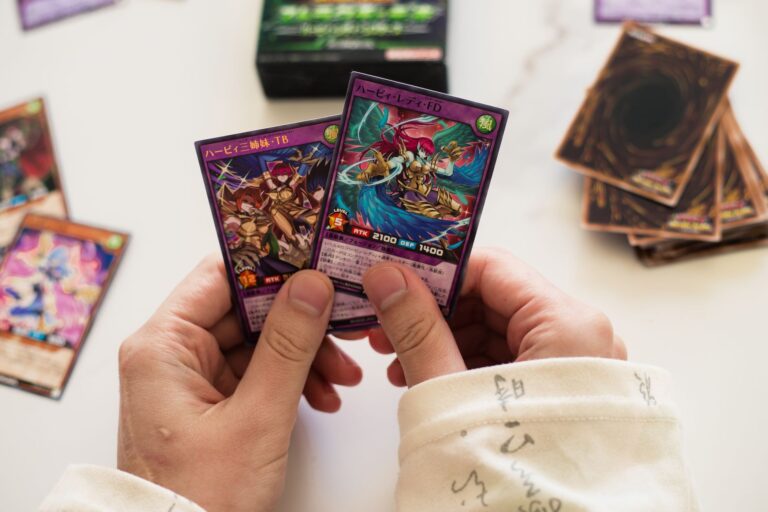
Pokémon card shops across the United States and internationally are overhauling security protocols due to a sharp surge in organized retail theft. In 2026 alone, thieves have stolen over $500,000 in cards from shops in Las Vegas, New York City, Vancouver, and Nottingham, with the problem concentrating most heavily in Southern California, New York, Texas, and Massachusetts. The Simi Valley, California location of Simi Sportscards experienced this firsthand in January 2026, when five thieves smashed display cases and walked away with more than $300,000 in rare cards and sports trading cards in what became the first of two major heists at the shop within weeks. These aren’t opportunistic smash-and-grabs by casual criminals.
The speed, targeting, and coordination of recent thefts suggest organized groups with knowledge of high-value inventory and store layouts. When thieves hit Next Level the Gamers Den in Graham, Washington in March 2026, they smashed through a vinyl-lined window and emptied nearly $10,000 in merchandise in under two minutes—then returned to rob the same location again. Card shop owners and law enforcement are responding with expanded camera systems, alarm upgrades, and in some cases, armed security. This is a decisive shift in how the industry protects what has become one of the fastest-moving collectible markets.
Table of Contents
- What Triggered the Security Crackdown on Card Shops?
- The Insurance Collapse and Its Impact on Small Retailers
- The Specific Incidents Reshaping Shop Security
- How Retailers Are Fortifying Their Defenses
- The Traceability Problem That Hampers Recovery
- The Pokémon Company’s Vending Machine Strategy
- What’s Ahead for Card Shop Security and the Collecting Community
- Conclusion
What Triggered the Security Crackdown on Card Shops?
The value of pokémon cards has created perfect conditions for theft. A single rare card like a PSA 10 graded Charizard can sell for tens of thousands of dollars, and high-end booster boxes command four-figure prices. Thieves recognize these cards immediately—they don’t need to know the technical grading system or understand why a shadowless Base Set Booster Box commands six figures. They just need to know that what’s in the display case can be liquidated quickly on secondary markets.
The crime wave escalated visibly in early 2026. Beyond Simi Valley, a Tempe, Arizona card shop was hit with a $7,000 burglary, Durham, North Carolina’s TCG Trinkets had its front door smashed through in May, and a Hong Kong store owner received security alerts during Lunar New Year when thieves broke through to access inventory. Even Manhattan didn’t escape—one robbery prompted the NYPD to recommend that store owners hire armed security. The sheer geographic spread indicates this isn’t isolated bad luck; it’s a coordinated trend with thieves operating across regions.

The Insurance Collapse and Its Impact on Small Retailers
The insurance crisis compounding the theft problem may actually prove more damaging than the thefts themselves. Card shop owners are discovering that standard commercial property insurance either excludes high-value collectibles or carries premiums so steep they’re unaffordable for smaller retailers. One shop owner reported being able to find only one insurance company willing to write a policy for their merchandise—an incredibly constrained market for what should be routine business coverage.
This creates a compounding vulnerability: shops lose the financial cushion that insurance provides, forcing many to reduce inventory overnight (both to reduce theft risk and to lower the value at risk). When a store cannot insure its stock, every theft becomes catastrophic, and the rational business response is to carry less inventory, which in turn reduces the selection customers can access. For collectors in smaller markets, this means fewer opportunities to browse and purchase cards locally, pushing more buying toward online retailers and raising shipping costs and carbon footprints.
The Specific Incidents Reshaping Shop Security
The pattern of these robberies reveals how calculated they’ve become. The Simi Valley incidents hit the same location twice, suggesting thieves tested the security response after the first heist and found it manageable enough to return. The Graham, Washington robbery’s two-minute timeframe points to teams that know exactly which cases hold the highest-value cards. And when thieves target locations during high-traffic shopping periods—like the Hong Kong store during Lunar New Year—they’re betting on confusion and slower police response.
One critical vulnerability in all these incidents: stolen cards have no serial numbers. Unlike autographed memorabilia, graded coins, or even modern vehicle identification numbers, a Charizard is a Charizard whether it was purchased yesterday or stolen last month. Law enforcement has virtually no way to identify stolen cards in the secondary market, which means a thief can sell a card stolen in Los Angeles to a buyer in New York without any technical trace. This serial number gap is why shops are shifting strategies—prevention through cameras and alarms is now prioritized over recovery through law enforcement.
How Retailers Are Fortifying Their Defenses
The security measures rolling out across the industry reflect both what shops can control and what they’re learning from each incident. Enhanced surveillance camera systems now cover entire commercial spaces, including blind spots that previous systems left exposed. Sirens and strobe lights mimicking police response have been added to some locations, creating auditory and visual deterrents that make robberies feel less anonymous and more likely to attract actual law enforcement quickly.
But technology alone isn’t solving the problem. Shops are also implementing operational security measures: removing high-value inventory overnight rather than leaving it on display, setting purchase limits on hot items to reduce the appeal of large-scale theft, and upgrading alarm systems specifically for collections. In Manhattan’s case, the NYPD recommendation to hire armed security guards signals a shift toward human presence as a deterrent. The tradeoff is immediate: armed security is expensive, and not all shop owners can absorb that cost without raising prices on cards or reducing margins, potentially making the retail experience more expensive for legitimate customers.
The Traceability Problem That Hampers Recovery
The absence of serial numbers isn’t just an inconvenience—it’s a fundamental gap in the collectibles market that no amount of camera footage can solve. A stolen PSA 10 Charizard is indistinguishable from a legitimately purchased one once it enters the secondary market. This means law enforcement, even when they identify a suspect or recover stolen cards, cannot definitively prove ownership or link specific cards to specific thefts. A shop owner can describe what was stolen, but proving that the card sitting in a buyer’s binder came from their store is nearly impossible without video evidence of the actual sale or theft.
This limitation has real consequences. It incentivizes thieves because the downstream risk of getting caught is lower, and it demotivates shops from installing recovery tracking systems (since there’s no unique identifier to track). Some cards do have certification numbers from grading companies like PSA or BGS, which creates a thin thread of traceability, but ungraded cards or lower-grade cards have nothing. The industry’s only real counter-strategy so far is prevention, not recovery—which is why shops are spending heavily on cameras, alarms, and security personnel rather than waiting for law enforcement to recover stolen goods.

The Pokémon Company’s Vending Machine Strategy
In response to the retail security crisis, The Pokémon Company has dramatically expanded its official vending machine footprint. As of 2026, there are 1,473 official Pokémon vending machines across 25 states plus Washington D.C.—a massive jump from just 65 machines in 2023. These machines dispense booster packs and premium products in controlled quantities, with no human staff present and no high-value display cases to smash.
The vending machine expansion offers The Pokémon Company a way to move product without exposing independent retailers to security risks they can’t manage. For collectors, however, the tradeoff is significant: vending machines can’t replace the browsing experience and personal service of a real card shop, and they’re often located in malls or parking lots where foot traffic is lower. It’s a solution that protects inventory and reduces theft opportunities, but it also removes the human element that makes card shops community spaces.
What’s Ahead for Card Shop Security and the Collecting Community
As 2026 progresses, the security upgrades rolling out aren’t temporary patches—they represent a permanent shift in how card shops operate. The combination of high-value inventory, organized theft patterns, and insurance challenges means that shops will continue investing in alarms, cameras, and personnel. The question for the collecting community is whether this added security will remain largely invisible (cameras and alarms doing their job quietly) or whether it becomes increasingly visible and intrusive (security guards, restricted access to displays, longer checkout processes).
The long-term outcome depends partly on whether law enforcement can target the downstream market where stolen cards are fenced. If secondary market platforms and online retailers implement stronger seller verification and card documentation standards, the incentive to steal diminishes. If enforcement remains focused only on retail theft itself, the security arms race will likely continue, with shops spending more and customers seeing fewer affordable ways to browse and collect.
Conclusion
Pokémon card shops are reviewing security in 2026 because a perfectly valuable collectible market combined with organized theft rings and an insurance crisis has made business-as-usual untenable. Shops across the country have experienced six-figure thefts, rapid police response times haven’t stopped repeat robberies, and the lack of serial numbers on cards means stolen inventory is nearly impossible to trace or recover.
The result is a visible security transformation: better cameras, alarms, overnight inventory removals, and in some cases, armed personnel. For collectors and shop owners alike, the challenge ahead is finding the balance between security that protects inventory and an experience that keeps the community alive. The Pokémon card market’s value created the conditions for this crisis, but how retailers and the industry respond to it will determine whether card shops remain gathering places for collectors or become increasingly fortified, bureaucratic, and costly to operate.