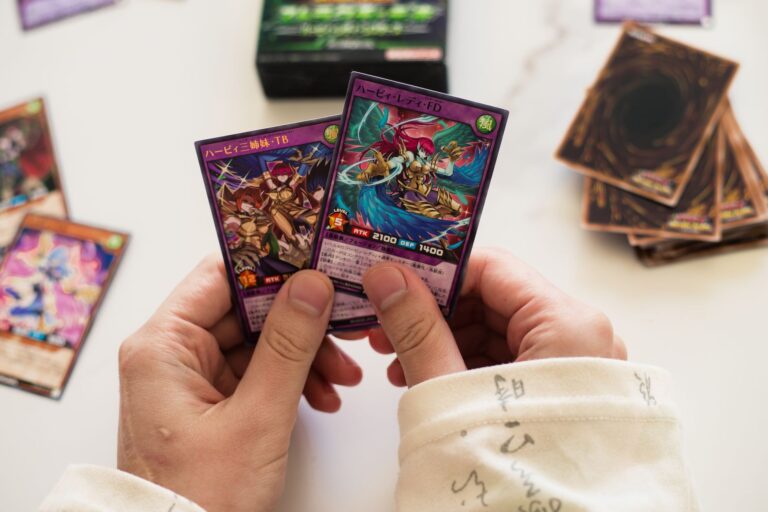
Pokémon cards have shifted from a niche hobby into mainstream conversation material, particularly in spaces where adults gather—from office break rooms to actual locker rooms in gyms and sports facilities. This phenomenon stems from the convergence of nostalgia-driven demand, investment potential, and social media-amplified culture. When a pristine first-edition Charizard sells for $350,000 at auction, or when a vintage Shadowless Blastoise trading hands for five figures becomes water-cooler talk at a workplace, the hobby transcends its original audience of children and becomes relevant to anyone interested in alternative investments or cultural trends.
The shift gained momentum around 2020-2021, when pandemic lockdowns drove people to rediscover childhood collections and businesses like Pokémon Company struggled to keep inventory in stock. A 25-year-old elementary school teacher in Florida told a local news outlet that three colleagues separately approached her within weeks, asking how to start collecting—something that would have been unthinkable five years prior. What started as an individual niche is now a genuinely shared reference point across age groups and professional environments.
Table of Contents
- What’s Driving the Pokémon Card Resurgence Into Everyday Conversation?
- The Investment Angle and Its Real Limitations
- How Social Media Amplified the Locker Room Effect
- The Difference Between Serious Collection and Casual Engagement
- Counterfeit Cards and Market Integrity Warnings
- The Role of Vintage vs. Modern Cards in Conversation
- The Future of Pokémon Cards as a Mainstream Topic
- Conclusion
- Frequently Asked Questions
What’s Driving the Pokémon Card Resurgence Into Everyday Conversation?
The primary driver is financial legitimacy. Third-party grading companies like PSA and CGC assign numeric grades to cards (1-10 scale), creating a standardized market similar to rare coins or stamps. This legitimacy attracted serious collectors and investors, making Pokémon cards a genuinely viable alternative asset class alongside cryptocurrency or classic sneakers. When a condition-graded card can reliably retain or appreciate in value, it becomes worth discussing in the same breath as stock picks or real estate.
Nostalgia is the secondary fuel. Millennials and older Gen Z individuals now have disposable income and are actively seeking goods tied to their childhood. Unlike the 1990s, when Pokémon cards were cheap and abundantly produced, the scarcity of older graded cards and the printing strategies of the Pokémon Company (strategic reprints alongside supply constraints) have turned collecting into a generational status symbol. A 30-year-old accountant discussing their Charizard Base Set pull is no longer unusual; it’s become a legitimate leisure activity with social currency.

The Investment Angle and Its Real Limitations
The investment narrative has absolutely fueled locker room conversations, but it comes with significant caveats that serious collectors understand and casual participants often overlook. Not all cards appreciate; in fact, the vast majority don’t. A bulk collection of common cards from recent sets will almost certainly depreciate, especially as the Pokémon Company deliberately reprints popular sets to manage demand. The 2021-2022 bubble saw astronomical prices for graded cards that have since cooled substantially. A 1999 Base Set Blastoise that sold for $800 in 2021 might fetch $400-600 today, depending on grade.
Grading itself is a cost that can exceed the card’s value. A newer common card worth $5 might not justify a $10 grading fee. The secondary market for graded cards is also less liquid than stocks—you can’t instantly flip a card the way you can a share of Apple. Shipping, insurance, and transaction fees all eat into margins. Someone who began collecting Pokémon cards in 2022 based on investment hype without understanding the scarcity gradient or set-specific demand has likely lost money or broken even at best.
How Social Media Amplified the Locker Room Effect
TikTok and YouTube opened-box videos and “pull” clips created a feedback loop that accelerated mainstream awareness. Watching someone pull a $500 card from a booster pack creates genuine excitement and FOMO (fear of missing out) that spreads rapidly. These platforms made collecting visible and aspirational to demographics that had never considered Pokémon cards as anything other than childhood toys. A construction crew or sales team might watch these videos together during a lunch break and suddenly become interested in cracking a few packs themselves.
The social aspect is real: discussing cards, trading tips, and comparing collections has become a legitimate way to bond in male-dominated spaces like gyms, construction sites, and sports bars. It’s a low-stakes conversation that doesn’t require intense expertise to participate in. A factory worker who knows nothing about card grading can still share in the excitement of opening a new Booster Box with coworkers. This democratization of the hobby—removing the gatekeeping that existed when information was harder to access—made it genuinely conversational rather than something you kept quiet about.

The Difference Between Serious Collection and Casual Engagement
There’s a meaningful divide between people treating Pokémon cards as an investment vehicle and those approaching it as entertainment or hobby spending. Serious collectors study print runs, edition markers, and condition factors; they spend hundreds or thousands assembling specific sets with high-grade cards and can articulate why a certain card holds value. Casual engagers buy packs, open them for fun, and enjoy the cards as tangible nostalgia without worrying about resale.
The problem arises when casual spending masks financial risk. Someone spending $20 a week on booster packs might not realize they’re on track to spend $1,000 annually on an unstructured activity with no guaranteed return. Structured collection—targeting specific cards for a set at below-market prices or focusing on a particular era—is far more rational than pack-ripping lotteries. The locker room conversation often centers on the lottery excitement without acknowledging that most casual spending doesn’t compound into a collection worth money.
Counterfeit Cards and Market Integrity Warnings
As Pokémon cards became mainstream, counterfeits became a real danger. The quality of fakes has improved substantially, and casual buyers purchasing from third-party marketplaces or international sellers have been burned repeatedly. A $50 card that looks legitimate to the naked eye might be a counterfeit that a professional grader would reject immediately, rendering it worthless. This risk is particularly acute in locker room settings where someone might buy a card from another person without professional verification.
Authentication requires knowledge or professional oversight. Even seasoned collectors can be fooled by high-quality counterfeits if they’re not careful. The Pokémon Company has acknowledged the problem, but enforcement is spotty. Stick to reputable sellers with established track records, and never purchase high-value ungraded cards from unfamiliar sources, regardless of how legitimate they appear. The grading companies themselves—PSA, BGS, CGC—are frequently targeted by counterfeiters who create fake slabs, making even a “graded” card unreliable unless purchased from an authorized reseller.

The Role of Vintage vs. Modern Cards in Conversation
The locker room conversation tends to split into two camps: vintage card enthusiasts discussing 1999-2002 era pulls and pulls, and modern card investors discussing recent set releases. These conversations are almost entirely different. Vintage cards are genuinely scarce—the Pokémon Company cannot reprint a 1999 Base Set Charizard, so supply is truly fixed.
Modern cards are printed in enormous quantities, and the Pokémon Company explicitly uses reprints as a market management tool. Someone discovering Pokémon cards in 2024 will likely never pull a genuinely rare vintage card; they’re competing in the modern market instead, where value depends on print runs, set rotation, and public interest. This distinction matters because a casual collector who thinks they’ve found a valuable modern card might be disappointed to learn that thousands of identical copies exist in circulation. Understanding this difference separates people who sound knowledgeable in conversation from those who sound uninformed.
The Future of Pokémon Cards as a Mainstream Topic
The trajectory suggests Pokémon cards will remain in cultural conversation but likely stabilize rather than continue explosive growth. The initial wave of pandemic-driven scarcity has passed, the Pokémon Company has ramped up production, and market prices have cooled from 2021-2022 peaks. This normalization actually makes the hobby more sustainable—fewer people chasing lottery-like gains means a more stable collector base focused on genuine passion rather than speculation.
What’s certain is that Pokémon cards have transcended novelty status. They’re now a recognized alternative hobby shared across age groups and professions. A locker room conversation about cards is no longer surprising; it’s become mundane enough that people discuss it casually without explanation or apology. The question isn’t whether the hobby will remain visible, but whether it becomes boring or settles into a permanent niche of sustained interest.
Conclusion
Pokémon cards have become a locker room conversation because they satisfy multiple needs simultaneously: nostalgia for older participants, investment appeal for financially minded collectors, and accessible entertainment for casual engagers. The shift from childhood-only hobby to mainstream reference point reflects broader cultural changes around alternative assets, social media influence, and intergenerational consumer habits.
Understanding the distinction between investment legitimacy and investment risk, between vintage scarcity and modern supply gluts, separates informed participants from those still chasing the 2021 bubble. If you’re entering the space, start with clarity about your actual goal—is this a collection you’ll enjoy, an investment vehicle you’re monitoring for returns, or entertainment spending? The locker room conversation happens either way, but your experience and financial outcomes depend entirely on answering that question first. The market for Pokémon cards is here to stay, but so are the counterfeits, the cooling valuations, and the learning curve required to avoid expensive mistakes.
Frequently Asked Questions
Are modern Pokémon cards a good investment?
For the vast majority, no. Modern cards are printed in huge quantities, and only the rarest pulls from special sets appreciate meaningfully. The 2021 boom has cooled, and most modern cards purchased at retail never appreciate beyond purchase price. Treat modern cards as entertainment spending, not investment.
How do I avoid counterfeits when buying cards?
Purchase only from reputable sellers with verified track records. For high-value cards, insist on professional grading from PSA, BGS, or CGC before purchase. Verify the seller’s authentication practices and return policy. If a price seems too good to be true, it usually is.
What vintage cards actually hold value?
First-edition and shadowless cards from Base Set through Jungle era (1999-2000) hold value due to genuine scarcity. Within those categories, holographic cards and key artwork cards appreciate most reliably. Unlimited and reprinted editions are far less valuable.
Should I grade my cards?
Only if the card is valuable enough to justify the grading cost ($10-50+ per card depending on service) and you plan to sell. Grading a common card worth $5 doesn’t make financial sense. Grade cards with genuine value or ones you’re selling commercially.
Why are graded cards sometimes worth less than they were five years ago?
The 2020-2022 period was a speculative bubble driven by pandemic spending and limited supply. As supply normalized and initial hype cooled, prices reverted to more sustainable levels. Some cards have stabilized, but don’t expect the dramatic appreciation from that period to repeat.
Is there a safe way to get started with collecting?
Yes. Buy vintage cards from reputable dealers at fair market prices and focus on the specific set or era you enjoy. Join collector communities to learn grading, pricing, and authentication. Start small, expand slowly, and prioritize knowledge over purchasing volume.