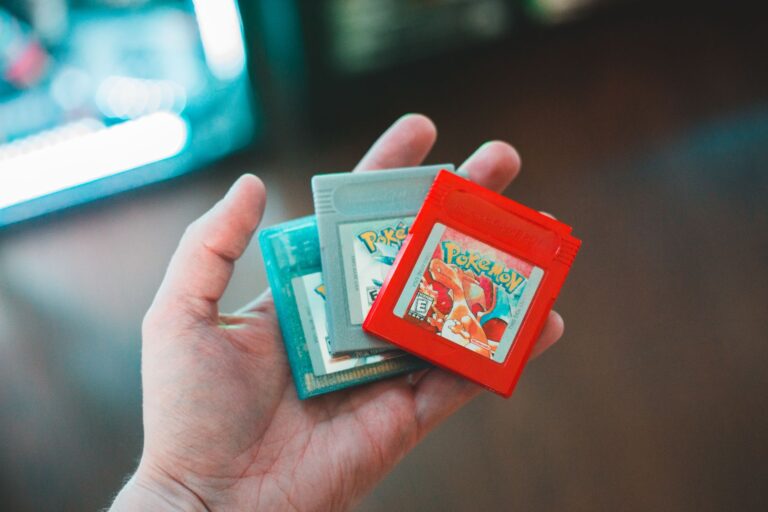
Pokémon card collecting has found an unexpected home in MLB clubhouses because the cards combine nostalgia, investment potential, and the competitive challenge of building valuable collections—elements that appeal directly to athletes already accustomed to competition and high-stakes pursuits. What started as a childhood hobby has evolved into a serious collecting culture that transcends age and sport, with professional baseball players treating card acquisition with the same intensity they bring to their athletic performance. In 2023 and 2024, multiple MLB teams reported increasing interest in Pokémon cards among their rosters, with some players spending considerable time and money hunting for rare cards between games and during road trips.
The appeal runs deeper than casual nostalgia. Modern players grew up during the original Pokémon trading card game boom of the late 1990s and early 2000s, and many have disposable income to invest in high-grade cards worth thousands or tens of thousands of dollars. Unlike traditional sports cards, which players might see as redundant to their own profession, Pokémon cards represent a separate collecting world where athletes can participate as enthusiasts rather than subjects. This distinction has made the hobby particularly attractive to clubhouses looking for team-bonding activities that don’t revolve around their primary sport.
Table of Contents
- What Makes Pokémon Cards Attractive to Professional Athletes?
- The Reality of High-End Card Collecting as a Clubhouse Trend
- Which MLB Teams Have Embraced the Pokémon Card Trend Most Visibly?
- How Card Collecting Spreads Through Professional Sports Environments
- The Risks and Pitfalls of Clubhouse Card Collecting Communities
- How Vintage Cards Differ From Modern Releases in the Clubhouse Context
- The Future of Pokémon Collecting in Professional Baseball
- Conclusion
- Frequently Asked Questions
What Makes Pokémon Cards Attractive to Professional Athletes?
Professional athletes are naturally drawn to collecting pursuits that offer measurable progression and tangible value—the same psychological drivers that fuel competition in their sport. Pokémon cards provide this through grading systems (PSA, BGS, CGC), price transparency via market databases, and the clear challenge of acquiring specific cards. The rarity tiers in Pokémon TCG—from common cards worth pennies to first-edition Charizards worth six figures—create a hierarchy that mirrors the competitive ranking systems athletes understand instinctively. A player might chase a PSA 10 (gem mint) graded Base Set Blastoise the same way they chase batting titles or ERA records. The financial aspect cannot be ignored. While some MLB players treat card collecting as simple entertainment, others view it as a legitimate alternative investment.
A sealed 1999 Base Set booster box that cost $30-50 when new now trades for $10,000-15,000 depending on condition. This appreciation potential appeals to athletes thinking about wealth building beyond their playing years. Young players, in particular, see Pokémon cards as a hedge against inflation that’s more stable than cryptocurrency and less volatile than individual stock picks. The social component drives adoption at the team level. When one player in a clubhouse starts collecting seriously, teammates become curious. Soon, road trips involve group visits to card shops, card shows become team outings, and players trade cards or share recent purchases. This mirrors how fantasy sports leagues bonded baseball players in earlier decades—it’s a shared interest that builds camaraderie outside the structure of training and games.

The Reality of High-End Card Collecting as a Clubhouse Trend
While Pokémon card collecting sounds fun, the practical reality includes significant financial risk and time commitment that not all players fully appreciate when they start. A player might spend $500 on a booster box hoping to pull a valuable card, only to open ten packs and find nothing worth more than $20. This outcome is statistically likely—the odds of pulling a specific chase card from modern sets can be less than 1 in 200 packs. Newer players sometimes underestimate how much money serious collectors actually spend, and clubhouses occasionally see players make impulsive purchases they later regret. The condition and authenticity challenges create another layer of complexity. Even professional-grade cards can be counterfeited, particularly high-value vintage cards. A player spending $5,000 on a card from an online marketplace without proper authentication could be buying a fake.
Grading companies themselves charge $20-200 per card for authentication and grading, which means that $300 card needs to appreciate significantly just to break even on the grading cost alone. Some players enter the hobby without understanding these hidden expenses. There’s also the learning curve around market cycles. Pokémon TCG has boom and bust periods. The pandemic-era bubble saw booster boxes spike to absurd prices before crashing 40-60% once supply stabilized. Players who bought at the peak and held cards during the downturn learned expensive lessons about timing. The competitive nature of athletes sometimes leads them to chase trends rather than develop a long-term collecting strategy, which is exactly the wrong approach for value preservation.
Which MLB Teams Have Embraced the Pokémon Card Trend Most Visibly?
The New York Yankees and Los Angeles Dodgers have become particularly known for having card-collecting subcultures within their clubhouses, with both franchises featuring younger players in their 20s who grew up during peak Pokémon popularity. While team management rarely publicizes this aspect of clubhouse culture, media coverage and social media posts from players have revealed the extent of collecting activity. A Yankees player once mentioned during an interview that multiple teammates had collection portfolios worth $50,000 or more. The San Francisco Giants and Boston Red Sox have similarly developed collecting communities, with players occasionally posting photos of card hauls on social media.
What’s interesting is that these trends don’t necessarily correlate with team performance or market size—they cluster around specific cohorts of younger players whose ages align with 1990s nostalgia. A team with an older roster composition might have minimal card-collecting activity despite being located in a major market. Some smaller-market teams have also embraced the trend aggressively, using it as a team-building exercise and a way to create shared experiences. One Midwest team reportedly organized a card show trip as a team outing, treating it with the same intentionality they’d bring to a golf tournament. This approach has become a low-cost morale booster, particularly during long road trips when players need activities to fill downtime.

How Card Collecting Spreads Through Professional Sports Environments
Card collecting spreads through clubhouses through the same mechanisms as any hobby trend: visibility and peer influence. When a respected veteran or All-Star starts collecting, other players take notice. If the first baseman is opening packs during batting practice downtime, shortstops and outfielders become curious. The conversation starts casually—”What are you spending on that?”—and escalates as players compare their collections or discuss a recent purchase. Within weeks, what started with one player can involve five to ten teammates. Road trips accelerate this adoption curve because players have concentrated downtime and sometimes visit the same card shop in each city. Teams have inadvertently created collector networks by staying at the same hotels season after season, with some hotels located near well-known card shops.
The ritual of collective shopping—multiple players hitting a shop together—creates a social event that wouldn’t exist if collecting were purely solitary. Online communities and Discord servers dedicated to baseball player card collectors have also made it easier for players across different teams to share information and influence each other. The comparison factor plays a subtle but important role. When players start discussing which cards they own or plan to acquire, the competitive instinct kicks in. One player with a valuable vintage card might motivate another to hunt for something equally impressive. This dynamic exists in all collecting hobbies, but it’s particularly pronounced among elite athletes who are accustomed to measuring themselves against peers. The result is that what begins as casual participation can become intensely competitive collecting.
The Risks and Pitfalls of Clubhouse Card Collecting Communities
One significant risk is the emergence of internal pressure or unhealthy spending patterns. When multiple players in a clubhouse are spending thousands on cards, there’s implicit pressure on newer or younger players to participate at the same level to feel included. A 23-year-old rookie with a $1 million salary might feel compelled to keep up with a veteran making $15 million, leading to spending decisions that are disproportionate to his wealth. Team staff have occasionally had to intervene when a young player’s collecting expenditures became problematic. Authenticity and scams represent another critical danger. The high-value nature of some cards makes them targets for counterfeiters and bad-faith sellers. Players who are less experienced with the collecting community are vulnerable to overpaying or purchasing fake cards, sometimes through seemingly legitimate channels.
There have been documented cases of players purchasing cards at team-friendly discounts from teammates, only to later discover the cards were damaged, misrepresented, or counterfeit. Trust between teammates can be damaged when money is involved. There’s also the practical issue of card storage and insurance. A player with a $100,000 collection needs proper storage conditions—stable temperature and humidity—to preserve card condition. Not all players account for this. Similarly, if cards are stored in a locker or hotel room during travel, there’s theft risk. Some valuable collections are essentially uninsured, meaning a loss would be a complete financial write-off. Players should be treating high-value collections the way serious collectors do: with climate-controlled storage, insurance policies, and inventory documentation.
How Vintage Cards Differ From Modern Releases in the Clubhouse Context
Vintage cards—primarily from the 1999-2002 Base Set and Neo era—represent the majority of high-value collecting among baseball players because of nostalgia and the fixed supply. A first-edition Charizard from Base Set 1999 is unlikely to ever be reprinted at original specifications, which makes it a true collectible in a way that modern cards cannot match. Modern booster boxes are printed in quantities orders of magnitude higher than original print runs, which means modern cards depreciate as supply increases. This fundamental difference in supply dynamics shapes how players approach their collecting strategy.
A player collecting modern Pokémon cards should expect those cards to decline in value over time, particularly if kept in lower-grade condition. The real financial case for modern collecting is in pulling chase cards immediately when sets release—cards like alternate-art or secret rare variants that might hold value for 3-5 years before becoming bulk. Vintage collecting, by contrast, offers preservation and potential appreciation, but requires significant capital upfront and patience. Some baseball players focus on vintage because it aligns with their time horizon (buy now, potentially sell for retirement in 10-20 years), while others enjoy the gamble of modern booster boxes without expecting long-term returns.
The Future of Pokémon Collecting in Professional Baseball
The trend shows no signs of reversing. As Pokémon TCG continues releasing new sets and Pokémon Company invests in competitive play and tournament infrastructure, the game itself is becoming more legitimate as a competitive collectible. If Pokémon TCG gains the cultural credibility that Magic: The Gathering or Yu-Gi-Oh achieved within gaming communities, professional players might view collecting with even less irony. The company has already begun focusing on premium products and limited releases, which naturally appeal to the high-net-worth collector demographic that professional athletes represent.
The next logical evolution is player partnerships or endorsements. While no MLB players have become public faces for card brands or shops yet, it’s inevitable that some will. A star player lending their name or credibility to a card shop, grading service, or collecting platform would instantly legitimize the activity at the professional sports level. This could accelerate clubhouse adoption significantly, particularly among younger players viewing established veterans as role models for how to spend leisure time and capital.
Conclusion
Pokémon card collecting has spread into MLB clubhouses primarily because it offers professional athletes a high-stakes, skill-based collecting pursuit that provides many of the same psychological and competitive rewards they experience on the field. The appeal transcends simple nostalgia—it includes financial opportunity, team bonding, and the measured progression that athletes naturally gravitate toward. The trend reflects broader demographic shifts, with players aged 25-35 having grown up during the original Pokémon TCG boom and now possessing the disposable income to participate seriously. For players interested in entering or deepening their involvement in Pokémon card collecting, the key is approaching it with the same strategic thinking applied to professional pursuits.
Understand the difference between vintage and modern cards, educate yourself on grading and authentication before making large purchases, and develop a collecting thesis rather than buying impulsively. The clubhouse environment makes collecting fun and social, but that social aspect can also lead to overspending. Start with a budget, research your targets, and remember that the best collections are built over years, not accumulated in frenzied weekend shopping trips. The financial and practical rewards of thoughtful collecting are real, but only if you approach the hobby with discipline rather than the same competitive urgency that defines your professional sport.
Frequently Asked Questions
How much do professional baseball players typically spend on Pokémon card collections?
Spending varies dramatically based on individual preferences and wealth. Some players spend $500-1,000 annually on modern booster boxes, treating it as entertainment. Serious collectors with five-figure collections might invest $10,000-50,000 over several years targeting specific vintage cards. The ceiling is virtually unlimited—players with six-figure collections exist but are rare.
Are Pokémon cards a legitimate investment compared to traditional collectibles like sports cards?
Pokémon cards can appreciate in value, particularly vintage cards from the original print runs, but modern cards typically depreciate as supply increases. They’re less stable than established collectibles like classic sports cards but potentially more liquid because the collecting community is growing. Treat them as medium-risk collectibles, not guaranteed investments.
What’s the most valuable Pokémon card a professional athlete might realistically acquire?
A PSA 9 or PSA 10 graded first-edition Charizard from Base Set 1999 can cost $50,000-150,000 depending on exact grade. This is attainable for established players but represents a significant financial commitment. Most clubhouse collectors focus on cards in the $500-5,000 range, which are rare enough to feel special but not so expensive as to be truly reckless.
How do players protect high-value card collections during travel?
Professional-grade collectors use climate-controlled storage at home and travel with cards in protective cases. Some players insure valuable collections separately from standard homeowners’ policies. During road trips, cards typically stay in hotel safes or are left at home. Smart collectors photograph their collections and maintain detailed inventories for insurance purposes.
Can fake Pokémon cards be purchased accidentally?
Yes, counterfeit Pokémon cards exist and sometimes appear on secondary markets, particularly for high-value vintage cards. Third-party grading (PSA, BGS, CGC) essentially eliminates this risk because counterfeit cards won’t pass authentication, but ungraded raw cards purchased privately have some risk. Use reputable dealers and understand authentication basics before buying expensive cards.
Why is the first-edition Charizard so valuable compared to other Base Set cards?
Supply, demand, and pop culture coincidence. The Charizard is Pokémon’s second-most iconic creature, appears on very few high-rarity cards from Base Set, and relatively few were printed in first-edition compared to later printings. The cards were also heavily played rather than preserved, making high-grade examples rare. This perfect storm created a $50,000+ card that casual collectors immediately recognize.