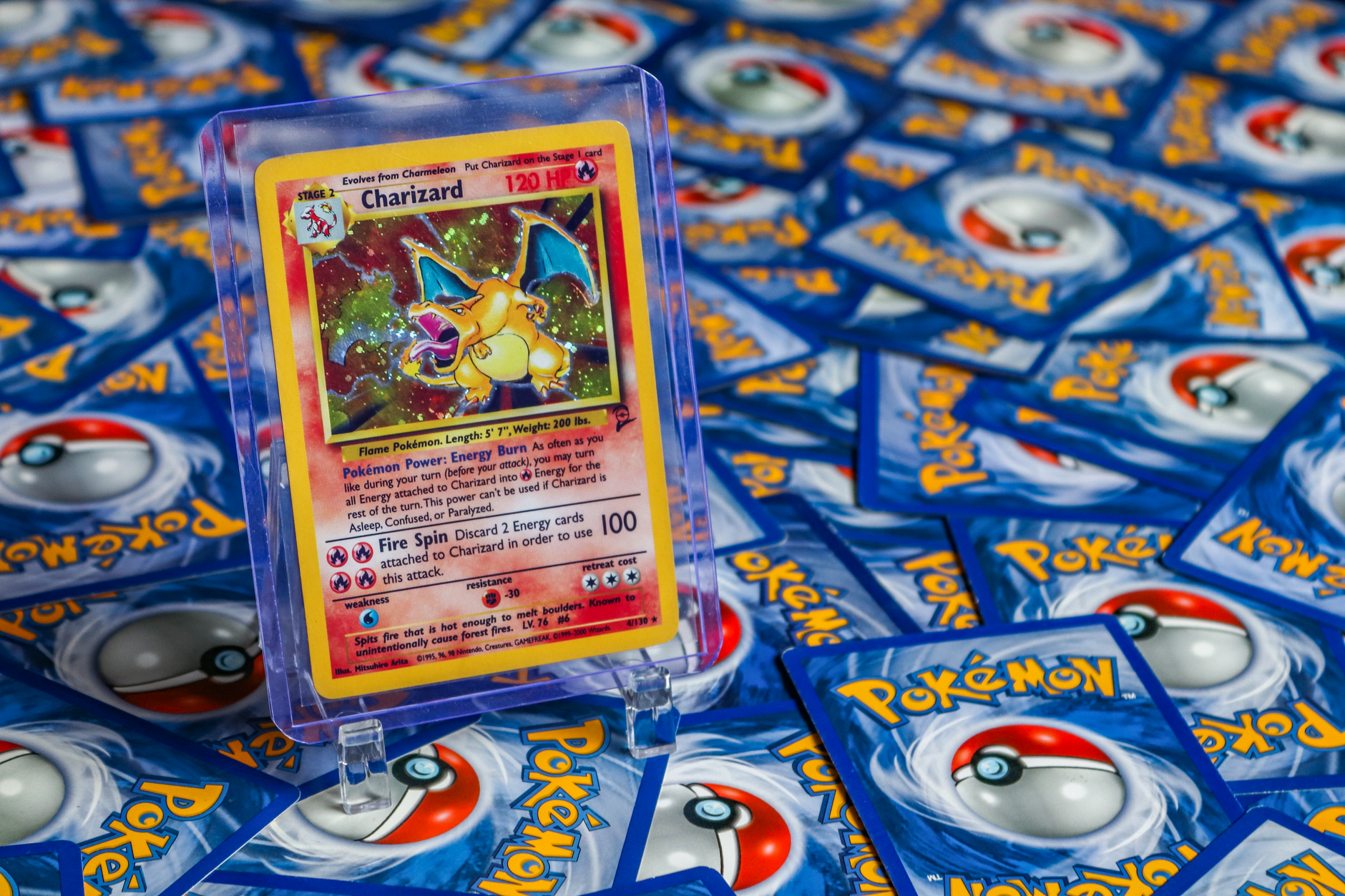
PSA grading is more expensive because PSA Staff raised five service levels by $5 per card on Feb. 10, 2026. The cheapest option rose again after PSA paused lower tiers in a backlog surge, and PreGradeCards reports only Value returned at $39.99.
PSA grading means a third-party service authenticates your card, grades its condition, and seals it in a holder. The details appear in the February grading services update and the October Value reopening summary. For Pokemon collectors, that changes the math on common cards and bulk orders. A graded card now needs to gain more than $39.99 in value to cover the entry fee.
Table of Contents
- What prices changed in February?
- Why did PSA raise prices?
- Why is $39.99 now the lowest price?
- When does grading a Pokemon card still pay?
What prices changed in February?
On Feb. 10, 2026, PSA raised five levels by $5 per card.
Value Bulk moved to $24.99, Value to $32.99, Value Plus to $49.99, Value Max to $64.99 and Regular to $79.99. That increase compounded an earlier September 2025 increase. CardLines reported Value Bulk rose from $19.99 to $21.99, Value from $24.99 to $27.99 and Value Plus from $39.99 to $44.99.
Why did PSA raise prices?
PSA Staff said the February increase was needed to align submission volume with grading capacity. The goal was more predictable turnaround expectations as hobby demand grew.
In the same update, PSA consolidated TCG Bulk and Value Bulk into one Collectors Club-only Value Bulk tier. That removed the cheapest bulk path for nonmembers.
Why is $39.99 now the lowest price?
PSA paused all four Value tiers effective June 2, 2026 after a 20% submission spike. Cardboard Police, citing the PSA Backlog Tracker, reported the backlog was approaching 10 million cards with a target below 5 million in the backlog pause report. PSA later reopened only Value on Oct. 29, 2026 at $39.99, up from $32.99 before the pause.
That tier carries a $500 maximum insured value and a 90-100 business-day estimate. Other Value tiers remain paused, and turnaround times are estimates only. The backlog was still 7.2 million on Oct. 20, so entry-level submitters face a $39.99 floor instead of the former $24.99 bulk rate.
When does grading a Pokemon card still pay?
Low-value Pokemon cards are now harder to justify. A $15 raw card that becomes a $40 sale after grading loses money once fees and shipping apply.
Use this quick check before submitting: Prioritize modern chase hits, clean vintage holos, and cards with large graded premiums. Hold bulk commons and lightly played low-value cards until cheaper tiers return.
- Estimate the likely grade by centering, corners, edges, and surface under light.
- Compare recent sales for that exact card in that expected grade, not a perfect grade.
- Subtract the $39.99 fee plus shipping both ways from the price gain over raw.
- Submit only cards with a clear profit margin or strong personal-keeping reason.
You Might Also Like
- How Much Does Pokemon Card Grading Cost With PSA Right Now?
- Why Is PSA Grading So Central to Pokémon Card Values?
- PSA Grading a Booster Box Pull: Is It Worth the Fee?