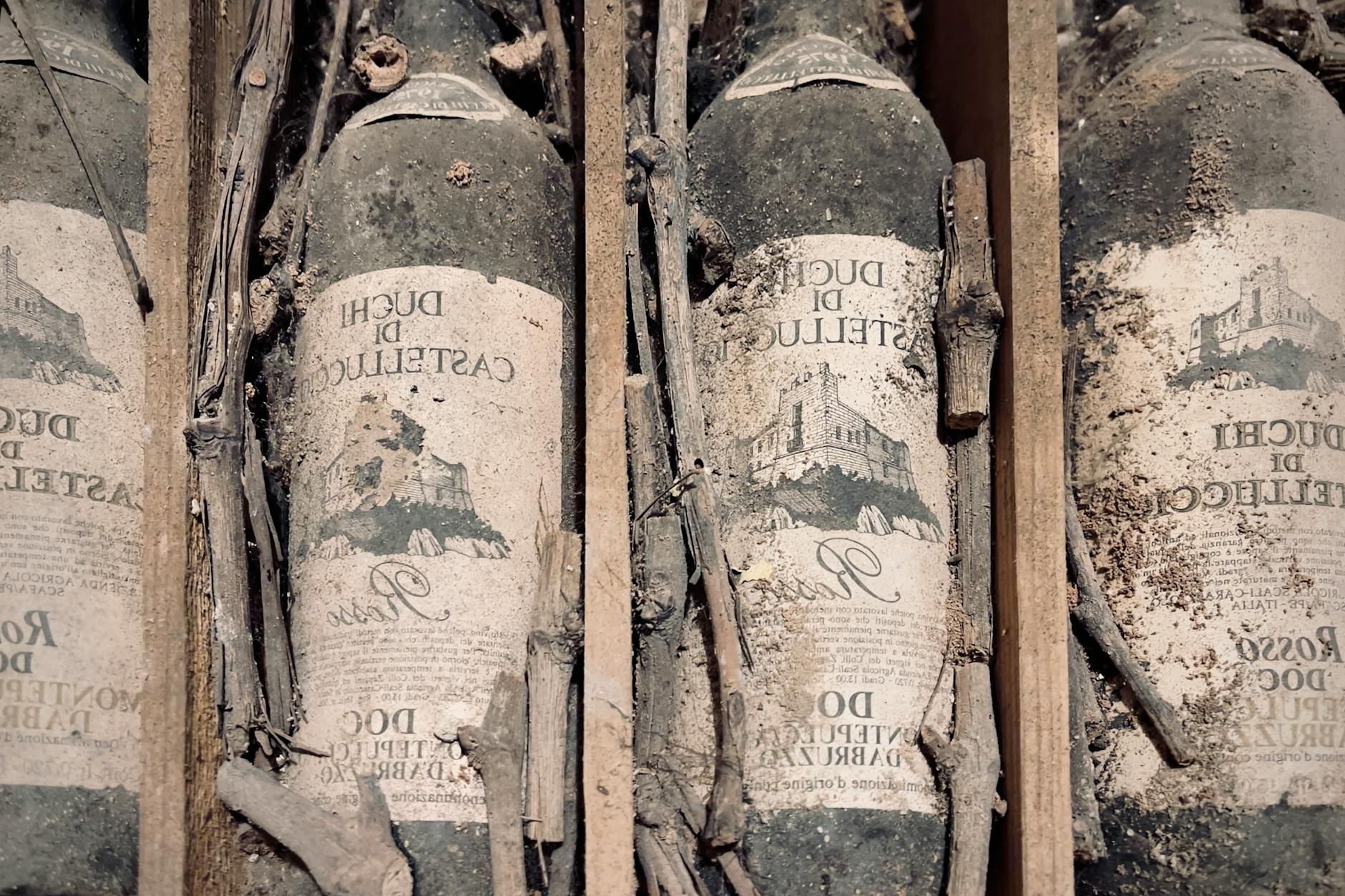
The 1999-2000 Pokemon card labels are capturing unprecedented collector attention in 2026 because these cards have officially crossed into the “vintage” classification threshold. Using the standard 20-30 year benchmark that defines vintage collectibles across all markets, first-edition and shadowless cards from this era now qualify as authentic vintage items in 2026—a milestone that fundamentally reshapes their cultural status and market position. A Base Set Charizard with a 1999 label isn’t just an old card anymore; it’s a designated vintage collectible, a distinction that carries real weight in the broader antiques and vintage market. This timing coincides with what industry experts are calling a defining year for vintage collecting overall.
The antiques and vintage market is experiencing robust expansion in 2026, with strong demand emerging from two demographic forces: younger collectors—particularly Gen Z and millennials—are actively entering the vintage market for the first time, while older generations are moving into retirement and seeking collectible investments. For Pokemon specifically, this means that 1999-2000 labeled cards are hitting their peak moment of cultural relevance and market attention. The attention isn’t accidental. It’s driven by converging trends in fashion, retail expansion, social media influence, and broader cultural nostalgia for the turn-of-millennium era. Understanding why 1999-2000 labels matter in 2026 requires looking at how this specific moment in time created perfect conditions for these cards to become mainstream collectibles.
Table of Contents
- Why 1999-2000 Cards Now Qualify as Vintage Collectibles
- The Broader Vintage Market Boom Driving Collector Interest
- How Y2K Cultural Nostalgia Is Driving Pokemon Card Recognition
- The Social Media Effect and Community-Driven Discovery
- Investment Potential Versus Nostalgia-Driven Demand
- Real-World Retail Expansion and Mainstream Recognition
- Market Forecast and the Future of 1999-2000 Card Collecting
- Conclusion
Why 1999-2000 Cards Now Qualify as Vintage Collectibles
The answer lies in a simple but transformative benchmark: the 20-30 year rule that collectors and appraisers use to determine what qualifies as “vintage.” By 2020, Pokemon cards from 1999-2000 began crossing this threshold, and by 2026, they’ve fully entered the vintage classification with no ambiguity. This isn’t a subjective marketing label—it’s an industry-standard designation that fundamentally changes how these cards are valued, displayed, and discussed in collector circles. What changed is not the cards themselves, but their official status. A Base Set card from 1999 is now genuinely old enough to be considered a piece of pop culture history rather than just a nostalgia item. This matters because vintage status opens doors in the broader antiques market.
Collectors who have never heard of Pokemon can suddenly understand a first-edition Charizard’s appeal through the lens of vintage memorabilia, similar to how they understand vintage concert posters or 1980s fashion items. The vintage classification acts as a universal language across different collecting communities. The 2026 timeline is particularly significant because it marks the peak moment of recognition. Cards from 1999-2000 are now old enough to be indisputably vintage, but they’re not so old that they’ve become obscure relics. They sit at the sweet spot in the vintage market—recent enough that plenty of people remember the original release and cultural moment, yet distant enough that scarcity and age command real premiums. For comparison, cards from the mid-2010s are still considered “modern,” while cards from the 1970s or early 1980s occupy an entirely different category of rarity and pricing.

The Broader Vintage Market Boom Driving Collector Interest
The 1999-2000 Pokemon card attention is part of a larger movement reshaping the entire vintage goods sector. The antiques and vintage market is in a period of robust expansion in 2026, with strong demand from multiple buyer demographics. Younger collectors are entering the market at rates not seen in previous decades, driven by Instagram and TikTok exposure to vintage aesthetics and the thrifting lifestyle. Simultaneously, Baby Boomers and older Gen X collectors are retiring and liquidating collections or seeking new acquisitions for investment purposes. These two groups approaching vintage collecting from completely different angles—one driven by nostalgia and aesthetics, the other by investment and preservation—are both fueling demand for early Pokemon cards. this demographic expansion creates a bandwidth effect: there are simply more people looking at, buying, and collecting vintage items than ever before.
Depop, Poshmark, and eBay have democratized access to secondary markets, meaning a collector in rural Australia can bid on a 1999 Blastoise from someone in Toronto. The infrastructure for vintage trading has never been more efficient, which accelerates both discovery and price discovery. A card that might have taken years to sell through a local dealer in 2010 can now find its exact target buyer within weeks on a global marketplace. One limitation worth noting: not all vintage Pokemon cards are experiencing equal attention. The boom is concentrated in graded, high-condition examples and iconic cards (Charizard, Blastoise, Venusaur). A heavily played, low-grade 1999 common card might still sell for barely above bulk value, even though it technically qualifies as vintage. The vintage classification elevates the category, but market dynamics still reward rarity and condition within that category.
How Y2K Cultural Nostalgia Is Driving Pokemon Card Recognition
The 1999-2000 labels are getting attention because they sit at the exact intersection of a major cultural moment: the Y2K aesthetic is experiencing a significant comeback in 2026. Y2K fashion, characterized by early-2000s styles including vintage athleisure, oversized sportswear, and digital-age aesthetics, has become a dominant fashion trend. Luxury brands and mainstream retailers are reissuing or creating new items inspired by 2000s design. This cultural momentum doesn’t just affect fashion; it extends to collecting habits. When vintage 2000s culture becomes trendy, the artifacts of that era—including Pokemon cards with 1999-2000 labels—become culturally desirable objects beyond just their gameplay or investment value. The trend data shows that retro design aesthetics have been trending for approximately five years, with the 1980s, 1990s, and early 2000s receiving particular attention. The Y2K revival is part of this broader retro cycle, but it’s experiencing accelerated momentum in 2026.
Gen Z collectors, who weren’t alive during the original 1999 Pokemon card release, are now discovering these cards through the lens of Y2K nostalgia rather than personal childhood memory. A 1999-labeled Pokemon card appeals to them as a piece of authentic turn-of-millennium design, the same way a vintage 2000s gaming console or early iPod might. The label itself—showing “1999” or “2000” printed on the card—becomes a cultural artifact that resonates differently now that Y2K aesthetics are mainstream. This cultural driver is distinct from pure investment or gameplay value. It explains why certain 1999-2000 cards with iconic artwork or appealing design elements are commanding premium prices, even when mechanically similar cards from later years might be more playable. The nostalgia element is real and measurable, though it’s worth noting that trends can shift. If Y2K fashion begins to fade as a dominant aesthetic in 2027 or 2028, some of the cultural momentum behind these cards might soften as well.
The Social Media Effect and Community-Driven Discovery
Social media platforms, particularly Instagram and TikTok, have fundamentally transformed how collectors discover and value vintage Pokemon cards. These platforms have turned vintage collecting into a global, communal experience rather than an isolated hobby. A collector in London can see a rare 1999 card being pulled from a pack by a Pokemon TCG collector in California, instantly inspiring hundreds of others to search for similar cards. The visual-first nature of Instagram and TikTok means that the aesthetic appeal of the card—including its 1999-2000 label—becomes a primary driver of engagement and interest. Thrifting has surged in popularity, accelerated by social media content showing people discovering valuable vintage items in unexpected places. This creates a positive feedback loop: content creators film themselves hunting for vintage Pokemon cards at thrift stores and flea markets, which inspires viewers to do the same, which creates more content, which inspires more people.
Secondary markets like Depop and Poshmark have become platforms where everyday people, not just professional dealers, can buy and sell graded or ungraded vintage cards. This democratization has dramatically increased the velocity at which 1999-2000 labeled cards move through the market and find new homes. The community aspect matters beyond just transaction volume. Online forums, Discord servers, and subreddits dedicated to Pokemon TCG create spaces where collectors share knowledge about condition assessment, grading, market trends, and authentication of 1999-2000 cards. This expertise diffusion means that more people are equipped to recognize and value these cards appropriately, rather than undervaluing them due to lack of knowledge. The downside is that increased awareness also means increased competition. A 1999 Base Set card that might have been overlooked at a local card shop in 2015 will now be immediately photographed and posted to a Facebook marketplace, attracting dozens of interested buyers within hours.
Investment Potential Versus Nostalgia-Driven Demand
The surge in attention around 1999-2000 Pokemon cards reflects two distinct collector motivations that sometimes align and sometimes conflict. Investment-minded collectors view these cards as appreciating assets with genuine scarcity (especially PSA or BGS graded examples in high conditions), supported by decades of documented price history and a growing collector base. Nostalgia-driven collectors are chasing personal memories or the Y2K aesthetic, sometimes paying premium prices for cards they specifically remember from childhood, regardless of long-term investment logic. The vintage packaging market is forecast to accelerate demand through 2035, driven by broader premiumization trends in consumer goods and collectibles. This suggests structural tailwinds for 1999-2000 labeled Pokemon cards as premium vintage items. However, there’s an important warning embedded in this trend: demand that’s primarily nostalgia-driven can be volatile.
Fashion trends change, generational interests shift, and what feels like a defining cultural moment in 2026 can appear dated or less relevant within five years. A collector who purchases a 1999 Charizard in April 2026 at peak Y2K hype might face different market dynamics in 2029 if the cultural moment has shifted. Experienced collectors distinguish between “collector demand” (driven by genuine enthusiasm for the product and its history) and “speculative demand” (driven purely by perception of future price appreciation). The former tends to be more stable and resilient; the latter can evaporate quickly when new trends emerge or when new product lines capture attention. For 1999-2000 Pokemon cards specifically, the combination of genuine vintage status, established collector base, documented price history, and fresh cultural relevance suggests reasonable demand stability. But anyone treating these cards primarily as investment assets should be aware that a significant portion of current attention is trend-driven rather than fundamentals-driven.
Real-World Retail Expansion and Mainstream Recognition
The attention around 1999-2000 labeled cards is reflected in concrete business activity. In April 2026, Nonstop Vintage, a Chicago-based Y2K fashion retailer, opened a new storefront at 2334 N. Milwaukee Ave. in Logan Square specializing in Y2K European fashion, footwear, accessories, and vintage goods. This type of retail expansion—dedicated physical spaces celebrating early-2000s culture—would not exist without genuine market demand.
The fact that new retail operations are being launched to serve Y2K enthusiasts indicates that this isn’t a passing social media moment, but a real economic phenomenon drawing foot traffic and sales. This retail expansion matters for Pokemon collectors because it signals that 1999-2000 era memorabilia is moving from niche collector spaces into mainstream retail consciousness. When physical stores are dedicating shelf space and location investment to Y2K goods, it validates the cultural significance of items from that era—including Pokemon cards. It also creates new distribution channels and discovery points for collectors who might not be actively hunting online. A casual shopper visiting a new vintage retail location might encounter graded 1999 Pokemon cards and become a collector, expanding the total addressable market for these products.
Market Forecast and the Future of 1999-2000 Card Collecting
Looking ahead to the remainder of 2026 and beyond, the structural factors supporting attention to 1999-2000 Pokemon card labels appear durable. The vintage market expansion is forecast to continue, with particularly strong growth expected through 2035 as premiumization trends strengthen across collectibles categories. Younger demographics entering the market will likely sustain interest in Y2K aesthetics and early Pokemon cards for several more years, even if the specific Y2K fashion dominance begins to normalize.
However, collectors should also anticipate that the absolute peak of attention for these cards may already be happening in 2026. The combination of vintage classification milestone, Y2K fashion peak, social media virality, and retail expansion represents a convergence of factors that creates ideal market conditions. As this specific moment passes and more time elapses, 1999-2000 cards will continue to be valuable—likely increasingly so as they age further—but they may no longer be the “hot topic” driving newcomers into the hobby. Understanding this cycle helps collectors make strategic decisions about whether they’re collecting for long-term appreciation, nostalgia satisfaction, or short-term trend participation.
Conclusion
The 1999-2000 Pokemon card labels are getting intense attention in 2026 because multiple forces have aligned simultaneously: these cards have officially achieved vintage status by standard collector definitions, the broader vintage market is in a period of robust expansion, Y2K cultural nostalgia is at a peak moment, and social media platforms have created unprecedented discovery infrastructure. The cultural moment is real and measurable, reflected in both online market activity and new physical retail expansion dedicated to early-2000s collectibles. For collectors, the key insight is that this moment represents both genuine long-term opportunity and trend-driven volatility.
The 1999-2000 labels will likely remain valuable collectibles as they age further into indisputable vintage and ultimately antique status. But the specific peak of cultural attention and Y2K-driven demand is happening now. Collectors entering the market should do so with clear motivation: whether they’re seeking investment appreciation, nostalgic connection, or participation in a specific cultural moment will determine the right strategy for their individual collecting goals.
You Might Also Like
- Why Smart Buyers Keep Looking Beyond Charizard and Pikachu
- Why 4th Print Pokémon Could Gain More Mainstream Attention
- Collectors Keep Watching Scarce Chansey Holos Closely