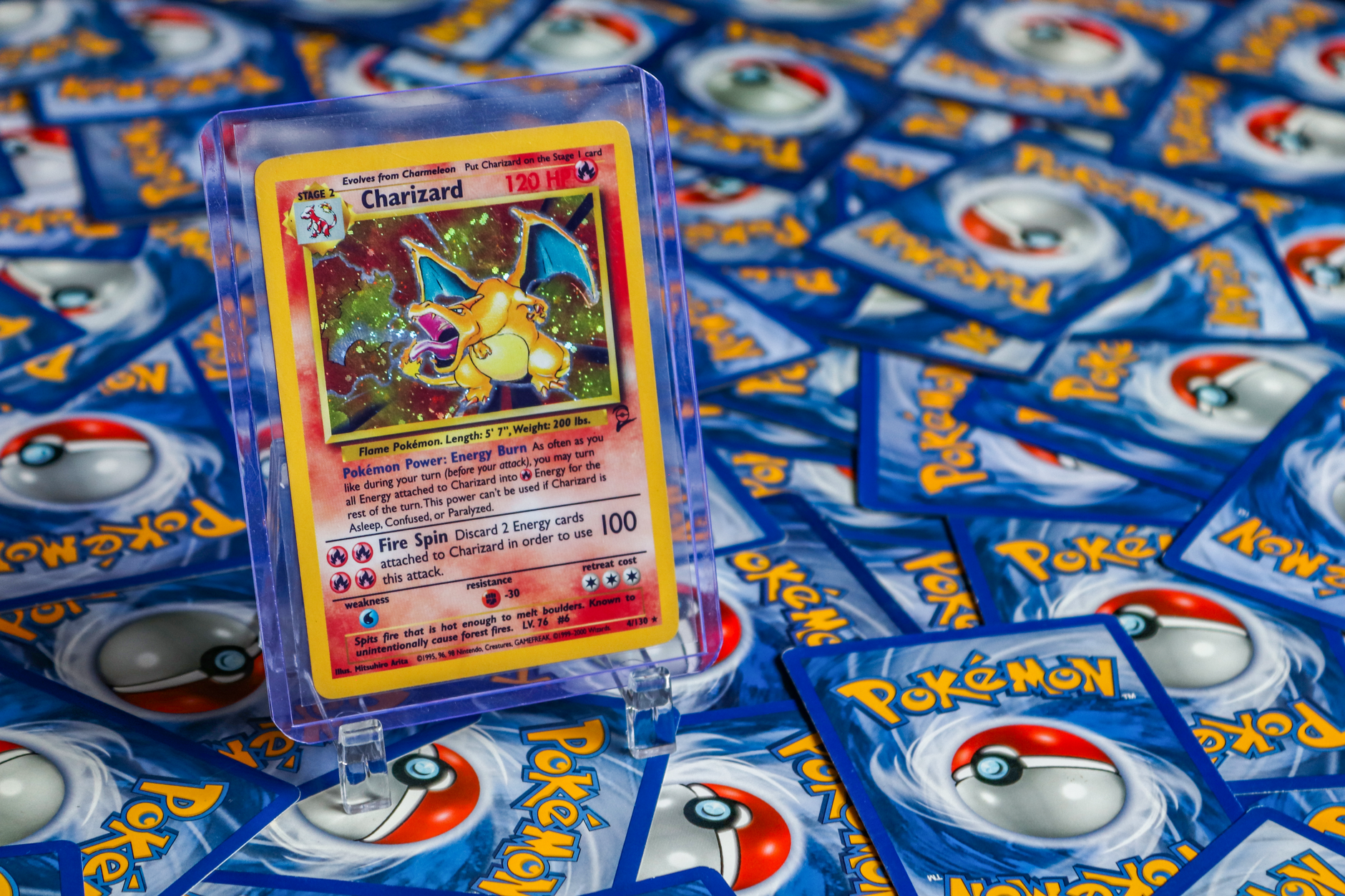
PSA, Beckett (BGS), and CGC all score Pokémon cards on a 1–10 scale, but each defines 10 differently. PSA tops out at Gem Mint 10, BGS saves 10 for Pristine, and CGC offers Gem Mint 10 and Pristine 10.
Grading means a company checks authenticity, scores condition, and seals the card in a labeled holder. The label affects buyer trust, price comparisons, and how clearly flaws are shown. Pokémon collectors use these differences to choose liquidity, detail, or stricter separation at the top.
Table of Contents
- What does PSA 10 require?
- Why does Beckett use 9.5 and subgrades?
- How does CGC split its two 10s?
- Which slab fits a Pokémon sale?
What does PSA 10 require?
PSA grades trading cards from 1 to 10. Its GEM-MT 10 means virtually perfect, with four sharp corners, full gloss, and no staining. PSA allows only slight off-centering at the top grade, around 55/45 to 60/40 on the front, according to PSA in its PSA Card Grading Standards.
PSA is the oldest card-focused grader of the three. PSA company history places its start in 1991 as Professional Sports Authenticator, now within Collectors. That long use helps explain why PSA 10 is the common price benchmark for Pokémon.
Why does Beckett use 9.5 and subgrades?
BGS also grades 1–10, but it uses half-points. Gem Mint is 9.5, while 10 means Pristine and near-flawless condition. Chronic Sports Cards notes that BGS prints four subgrades on the label: centering, corners, edges, and surface.
That breakdown makes flaws easier to read. A card can show 9.5 centering beside 10 corners, for example. RookieDesk describes BGS Black Label as a Pristine 10 with perfect 10s in all four subgrades, rarer than an ordinary gold-label Pristine 10 or 9.5 Gem Mint.
How does CGC split its two 10s?
CGC uses a 10-point scale with two levels of 10. Pristine 10 requires virtually flawless condition, 50/50 centering, and a special label. Gem Mint 10 allows one criterion to fall short, around 55/45 on the front and 75/25 on the back, according to CGC in its CGC grading scales.
Below those sits Mint+ 9.5. CGC Cards describes it as a Mint card with premium eye appeal from exceptional centering, surface, color, or another key element. That grade gives strong Pokémon copies a step above Mint 9 without reaching Gem Mint 10.
Which slab fits a Pokémon sale?
PSA holds about 69–72% of graded-card volume, so PSA 10 is the usual resale reference. Folio's completed-sales analysis found CGC Gem Mint 10 near 0.44× PSA 10 and BGS 9.5 near 0.60× on the same Pokémon cards, according to Folio in its Folio sales comparison. The exception is BGS Pristine 10.
Folio found those slabs selling near 1.53× PSA 10, while only about 0.6% of copies earned the grade. Rarity creates the premium, but it also means most submissions will not reach it. Match the slab to the goal: Submit a chase card to BGS only if you accept the lower hit rate in exchange for that subgrade breakdown and Black Label chance.
- Choose PSA for liquidity and the most widely used Pokémon price.
- Choose BGS when subgrade detail matters or you want a Black Label attempt.
- Choose CGC for clear Pristine-versus-Gem-Mint separation on TCGs.
You Might Also Like
- How to Tell Real Pikachu Cards From Reprints Before Grading?
- Does Centering Matter More Than Surface for Pokemon Grading?
- What Pokemon TCG Sets From 2026 Are Worth Grading Now?