
The primary difference between 1999 and 1999-2000 Pokémon cards lies in the copyright notice printed on the card back. Cards marked “©1999” represent the earliest print runs of the Base Set, while those showing “©1999-2000” reflect later production runs manufactured across the year-end transition. This seemingly small distinction carries significant implications for collectors, particularly when evaluating rarity, condition premiums, and overall card value.
The copyright date difference emerged because Wizards of the Coast maintained active Base Set print runs throughout 1999 and into early 2000, requiring updated copyright notices to reflect the extended production period. A near-mint, ungraded Charizard #4 from the 1999-only run commands approximately $226, while cards from the later 1999-2000 print runs typically trade at lower valuations. Understanding this distinction helps collectors properly identify early Base Set cards and make informed decisions about acquisition and investment.
Table of Contents
- Why Do Some Base Set Cards Say 1999 While Others Say 1999-2000?
- Understanding the Eight Base Set Print Runs
- Rarity Implications and Pricing Differences
- How to Identify Your Base Set Cards Correctly
- Common Misconceptions and What to Watch
- The Production Transition and Market Context
- What This Means for Modern Collectors
- Conclusion
Why Do Some Base Set Cards Say 1999 While Others Say 1999-2000?
The copyright notice on pokémon Base Set cards functions as a production timestamp rather than a design change. When Wizards of the Coast launched the Base Set in 1999, they naturally marked cards with the ©1999 copyright. However, as demand remained strong and production continued through late 1999 and into 2000, the company updated the copyright notice to ©1999-2000 to accurately reflect the manufacturing period.
This practice was standard in the trading card industry at the time. Rather than stopping and restarting production with new copyright information, manufacturers simply updated the copyright date on ongoing print runs. The result is that Base Set cards exist in both variants—authentic early cards with 1999 copyright and legitimate later cards with 1999-2000 copyright. Both are genuine Wizards of the Coast products; they simply represent different production windows within the same set.
Understanding the Eight Base Set Print Runs
The Pokémon Base Set underwent eight distinct print runs, not merely the four most commonly discussed in casual collecting circles. The 1999-only cards represent the initial releases, including the highly sought Shadowless variant (printed without the shadow box around the card image) and early Unlimited editions. The 1999-2000 copyright cards fall into the later print runs, created as Wizards of the Coast continued manufacturing to meet persistent market demand.
A critical limitation for collectors: the exact number of each print run remains proprietary Wizards of the Coast information that was never publicly disclosed in detail. This means that while we can identify approximate production tiers through print line variations and copyright dates, pinpointing the precise scarcity difference between specific print runs requires careful study and expert knowledge. Some 1999-2000 cards are actually rarer than later 1999-only variants due to production adjustments and market conditions at different points in the year.
Rarity Implications and Pricing Differences
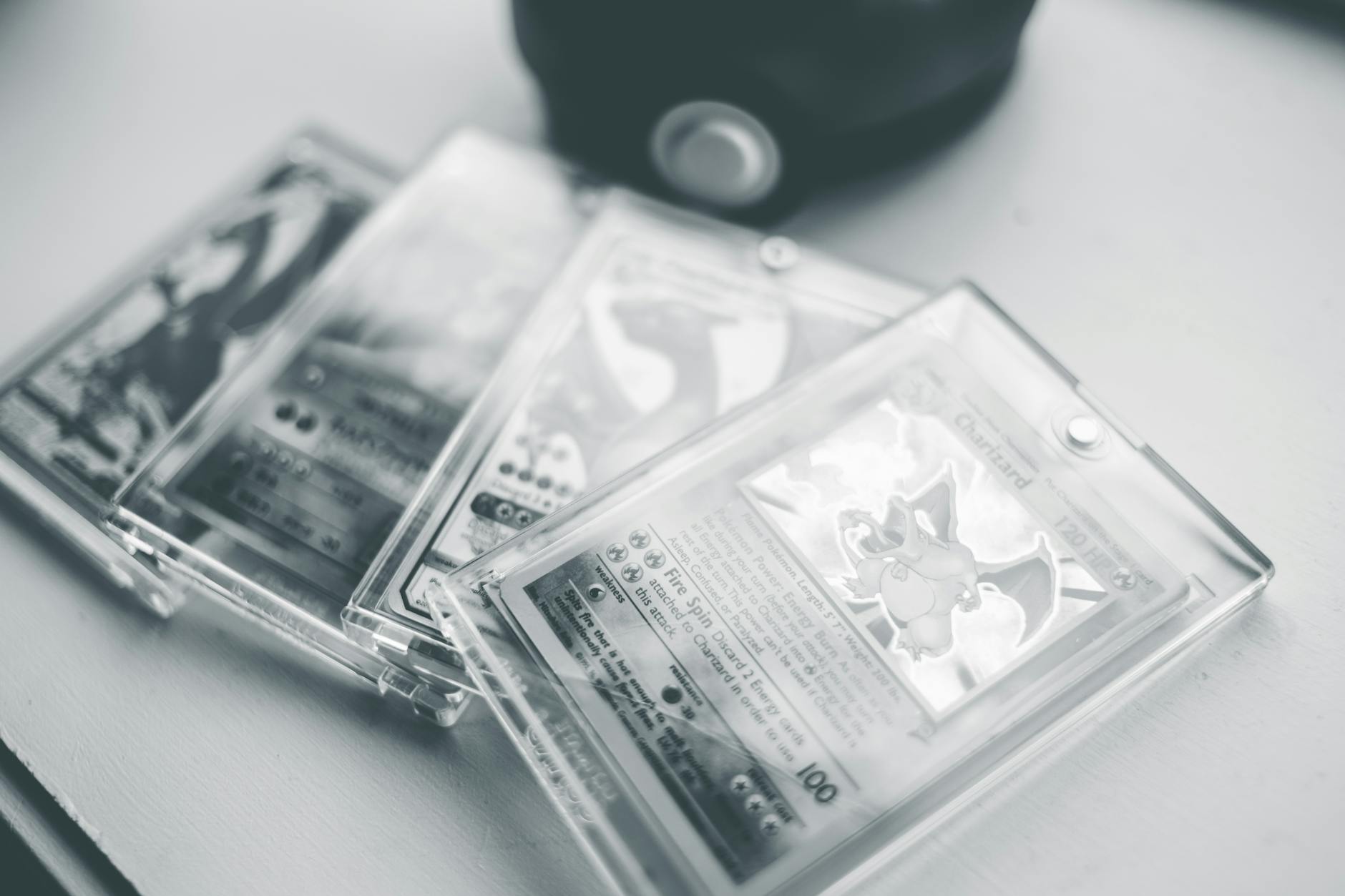
Early 1999 First Edition holos generally command higher prices than their 1999-2000 counterparts, primarily because initial print runs were smaller and fewer cards have survived in mint condition. The rarity premium is most pronounced for iconic cards like Charizard—the 1999 First Edition Charizard #4 represents the earliest production run and carries significant collector demand. Mid-grade copies trade substantially higher than equivalent 1999-2000 versions.
However, the rarity difference varies considerably by card and condition. Some 1999-2000 Base set cards are actually scarcer than later printings because Wizards of the Coast adjusted production levels as they attempted to manage inventory and market supply. Additionally, the 1999-2000 copyright cards predate the license transition from Wizards of the Coast to Pokémon Company International and Nintendo, making even these “later” cards historically significant within the first generation of the TCG. Condition matters more than copyright date in determining ultimate value—a pristine 1999-2000 card may outprice a damaged 1999 card of the same number.

How to Identify Your Base Set Cards Correctly
The copyright notice is easily checked on the back of any Base Set card, located in the small print text at the bottom of the card back. Simply flip the card over and scan the copyright line—you’ll see either “©1999” or “©1999-2000” printed alongside the Pokémon Company and Wizards of the Coast information. This identification takes seconds and requires no special tools or magnification. Beyond copyright date, collectors can distinguish print runs by examining print lines and other production details, though these require more training to identify accurately.
The copyright date serves as the most straightforward first checkpoint. When evaluating a card’s potential value, document the copyright date alongside edition status (First Edition vs. Unlimited) and any shadowless characteristics. A 1999 First Edition shadowless Charizard represents an entirely different value category than a 1999-2000 Unlimited Charizard, so accurate identification at each step becomes critical for proper valuation.
Common Misconceptions and What to Watch
Many newer collectors assume that 1999-2000 copyright cards are automatically reprints or lower quality, which is incorrect. These cards are authentic Base Set products made by the same manufacturer using the same specifications as 1999 cards. The copyright date change reflects production timing, not authenticity status or manufacturing quality. Counterfeits do exist in the Pokémon market, but they’re distinguished through other factors like print quality, card stock, and holofoil characteristics—not copyright dates.
A warning for collectors: don’t overpay for a 1999 copyright card simply because of the date, without considering condition, edition status, and the specific card number. A heavily played 1999 Base Set Machop will trade for a fraction of a near-mint 1999-2000 First Edition Charizard. Focus acquisitions on cards that combine early copyright dating with strong condition and iconic appeal. Similarly, be cautious about grading services’ pricing tiers—some collectors spend hundreds on grading fees for mid-tier 1999-2000 commons, which rarely appreciate enough to justify the grading cost.
The Production Transition and Market Context
The shift from 1999 to 1999-2000 copyright occurred against the backdrop of the Pokémon Trading Card Game’s explosive growth. Wizards of the Coast couldn’t manufacture cards fast enough to meet demand, leading to extended production runs and subsequent copyright updates. By the time the Jungle set launched in late 1999, Base Set cards with 1999-2000 copyright were already circulating widely in the market.
This production context explains why 1999-2000 Base Set cards remain abundant today compared to the earliest 1999 releases. Higher production volumes created more supply, naturally depressing long-term price growth for later print runs. Collectors seeking investment-grade Base Set cards typically prioritize earlier 1999 First Edition shadowless variants, though even well-conditioned 1999-2000 cards retain steady collector interest and value.
What This Means for Modern Collectors
For anyone building a Base Set collection today, understanding the 1999 vs. 1999-2000 distinction enables smarter purchasing decisions. If investment appreciation interests you, 1999 First Edition holos offer stronger upside potential, but expect to pay premiums reflecting this scarcity.
Conversely, 1999-2000 cards remain accessible entry points for collectors focused on completing the set affordably or building a playable collection. The Base Set’s foundational status in TCG history means both variants will retain collector value indefinitely. The copyright date serves primarily as a sorting mechanism rather than a definitive quality marker. As the Pokémon TCG market matures, early Base Set cards of any copyright date continue appreciating as supply remains finite and collector demand grows globally.
Conclusion
The difference between 1999 and 1999-2000 Pokémon cards fundamentally reflects production timing rather than quality or authenticity. Early 1999 cards represent the initial Base Set print runs, while 1999-2000 copyright cards emerged from later manufacturing batches as Wizards of the Coast continued meeting market demand through the year-end transition. This distinction carries meaningful implications for rarity, pricing, and investment potential.
When evaluating Base Set cards, prioritize checking the copyright date as your first identification step, then cross-reference with edition status, condition, and card number to determine true market value. Both 1999 and 1999-2000 Base Set cards remain desirable to collectors, though earlier print runs command consistent premiums. Understanding these differences transforms you from a casual collector into an informed buyer capable of identifying genuine value in the Pokémon secondary market.
You Might Also Like
- What Does 1999-2000 Mean On Pokémon Cards
- How To Identify 1999-2000 Pokémon Base Set Cards
- Are 4th Print Pokémon Cards Worth Money