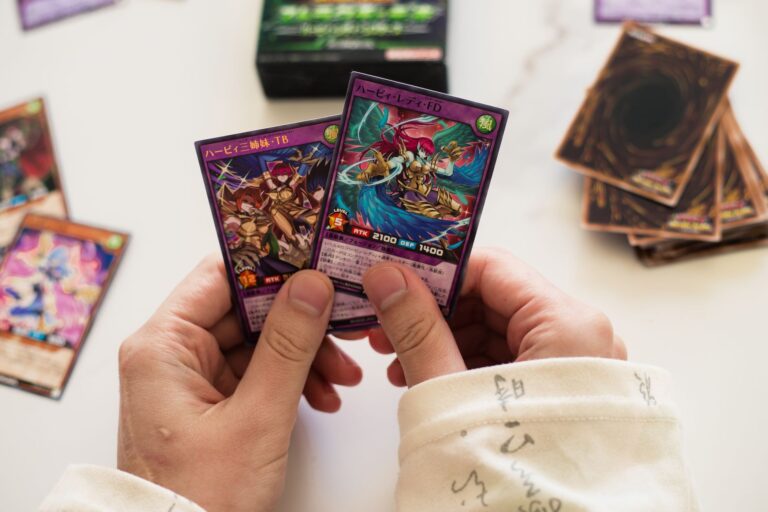
A Pokémon Card Master Set is a complete collection of every card variation from a single Pokémon Trading Card Game expansion set. Rather than a pre-packaged product you can buy, it’s a collecting goal that includes one copy of every unique card number in the set, every Secret Rare variant, and every reverse holo version of standard cards. For example, if you were building a Master Set of the Scarlet & Violet base set, you would need to acquire all cards numbered 1 through 198, plus every Secret Rare card in that expansion, plus the reverse holo versions of any non-Secret Rare cards you wanted to complete.
The Master Set concept represents one of the most comprehensive approaches to collection in the Pokémon TCG. Collectors who pursue Master Sets are not just trying to get one of each card—they’re collecting multiple versions of many cards to hit specific quality and variant thresholds. This is a significant distinction from casual collecting, where players might simply own a handful of their favorite cards.
Table of Contents
- What Cards Must Be Included in a Master Set?
- The Full Scope and Hidden Complexity of Master Sets
- The Debate Around Promotional Cards and Master Sets
- Building a Master Set: Practical Strategies and Trade-Offs
- Reverse Holo Cards and the Variation Problem
- Secret Rares and Alternative Artworks
- Modern vs. Older Master Sets and Feasibility
- Conclusion
What Cards Must Be Included in a Master Set?
A master Set requires every card with a unique set number from a particular expansion. If an expansion contains 198 cards, you need all 198 cards numbered 1 through 198 at minimum. Beyond the numbered cards, you must include every Secret Rare card in the set—these are the premium cards that fall outside the standard numbering sequence and add hundreds of additional cards to larger modern sets.
For instance, in recent expansions, Secret Rares can include full-art pokémon, alternate art versions, and special rarity variants that are considered essential to completing the set. Reverse holo cards are another core component of Master Sets. In the Pokémon TCG, most common, uncommon, and rare cards are printed in both standard and reverse holo versions, where the holofoil pattern is inverted. Collectors building a Master Set must secure reverse holo copies of these cards as separate acquisitions from their standard versions. This requirement alone doubles or triples the number of individual cards needed to complete a Master Set compared to simply owning one of each card number.

The Full Scope and Hidden Complexity of Master Sets
The actual scope of a Master Set varies significantly depending on the expansion size and how strictly you define “completion.” Older expansions like Base Set or Jungle are relatively manageable, with around 100–102 cards in the numbered sequence plus their reverse holos and Secret Rares. Modern expansions like Scarlet & Violet can contain 200+ numbered cards, 50+ Secret Rares, and dozens of other variant categories, expanding the total card count needed to 600+ individual cards. This is a critical limitation many new collectors underestimate.
Another complexity is printer variations and release-specific differences. some cards have subtle differences depending on their print run, language, or regional release, and some collectors debate whether these count as separate cards for Master Set purposes. Additionally, the costs of acquiring all these cards can become astronomical—securing high-quality copies of popular Secret Rares or older cards from valuable sets can require spending thousands of dollars.
The Debate Around Promotional Cards and Master Sets
One of the most contentious questions in the collector community is whether promotional cards should count toward a Master Set. Promotional cards like Elite Trainer Box exclusives, tournament promos, and special release variants are printed separately from the main set and are not part of the standard numbered sequence. Some collectors argue that true Master Set completion should include these promos, while others maintain that the Master Set definition only applies to the cards printed in the official booster set itself.
This disagreement has led some collectors to distinguish between a standard Master Set and a “Grand Master Set,” which is an evolved version that includes additional variations and alternative releases beyond the core expansion cards. A Grand Master Set collector might pursue every promotional variant, special edition printing, and alternative art version released for a particular expansion, making the scope of completion vastly larger. For a collector just starting out, this distinction matters because it changes what “done” actually means.

Building a Master Set: Practical Strategies and Trade-Offs
Most collectors don’t build Master Sets all at once. Instead, they acquire cards over months or years through a combination of booster box openings, singles purchases from reputable dealers, and targeted trades. Some collectors focus on acquiring the harder-to-find Secret Rares first, reasoning that these are the bottleneck cards that take longest to locate. Others work systematically through the numbered cards, filling in gaps as they find deals.
The trade-off in any Master Set strategy is speed versus cost. Buying booster boxes to pull cards directly gives you excitement and the chance to find valuable cards early, but it’s usually the most expensive path per card acquired. Purchasing singles from online retailers is more targeted and cost-effective but removes the discovery element of opening packs. Hybrid approaches—opening a few boxes and supplementing with singles—offer a balance that many serious collectors prefer.
Reverse Holo Cards and the Variation Problem
Reverse holo cards represent one of the largest sources of confusion for Master Set builders. These cards are not alternative art or special editions—they’re the exact same card with a different holofoil pattern applied to the background instead of the illustration. Despite being mechanically identical in play, they are considered distinct cards for collection purposes, and securing them requires separate purchases. For a 198-card set with 100 reverse-holoable cards, this requirement can add another 100 cards to your shopping list.
The major warning with reverse holos is condition and availability. Some reverse holo printings are far scarcer than their regular versions, especially in older expansions or for popular cards that saw heavy play. A card might be cheap in regular holo form but expensive or even difficult to find as a reverse holo, creating unexpected bottlenecks in your Master Set build. Additionally, reverse holos are more prone to visible wear because the holofoil pattern makes scratches and dust particles more visible than on regular cards.

Secret Rares and Alternative Artworks
Secret Rare cards are technically numbered beyond the main set sequence—if a set officially contains 198 cards, Secret Rares might be numbered 199/198, 200/198, and upward, indicating they’re officially part of that expansion but printed at lower rates. Modern expansions can have 50–100+ Secret Rares, including full-art Pokémon, trainer cards, and special rarity versions. These cards are the premium tier of the set and typically the most expensive to complete.
The challenge with Secret Rares is that their relative scarcity makes pricing volatile and unpredictable. A Secret Rare Charizard or another popular card might cost $100+ to acquire, and prices fluctuate based on competitive play trends, collector demand, and supply. For Master Set builders, budgeting for Secret Rares often means either saving aggressively or waiting years for card prices to drop.
Modern vs. Older Master Sets and Feasibility
Building a Master Set for an older expansion like Base Set, Jungle, or Fossil is technically feasible but often more expensive per card because of secondary market pricing and the age-related scarcity of high-quality copies. Conversely, Master Sets for recently released expansions are easier to complete because cards are still being sold directly by retailers and dealers, keeping supply high and prices relatively stable. However, waiting for prices to settle on newer sets means delaying your collection completion by a year or more.
The landscape of Master Set collecting continues to evolve as Pokémon releases new expansions each year. Some collectors pursue a single Master Set for their favorite generation or set design, while others spread their effort across multiple sets. The most successful Master Set collectors treat the goal as a long-term project rather than a sprint, pacing their purchases to stay within budget while gradually closing gaps.
Conclusion
A Pokémon Card Master Set is the complete collection of every card variation from a single expansion, including all numbered cards, Secret Rares, and reverse holo versions.
It’s not a product you purchase but rather a collecting milestone that combines set completion with variant collecting, requiring anywhere from 300 to 800+ individual cards depending on the expansion’s size and your definition of “complete.” If you’re considering building a Master Set, start by choosing an expansion you genuinely enjoy, research current market prices for the rarest cards, and develop a realistic budget and timeline. Many collectors find that the pursuit of a Master Set becomes more rewarding than the final completion, as each card acquisition contributes to a tangible long-term goal.