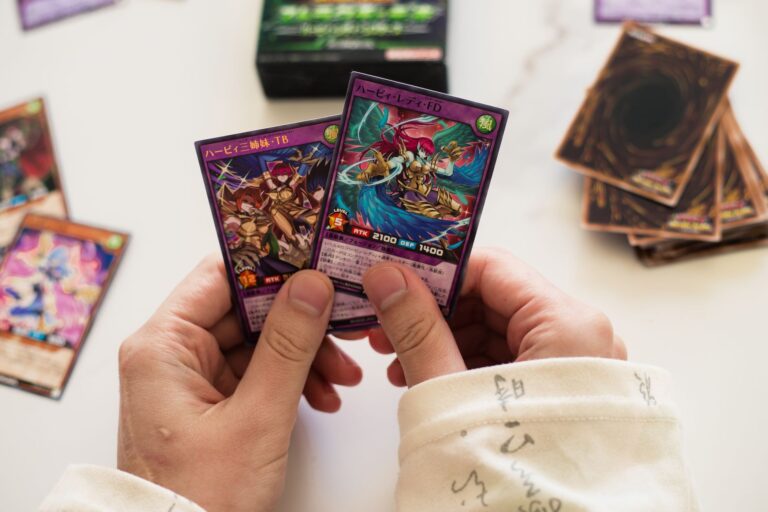
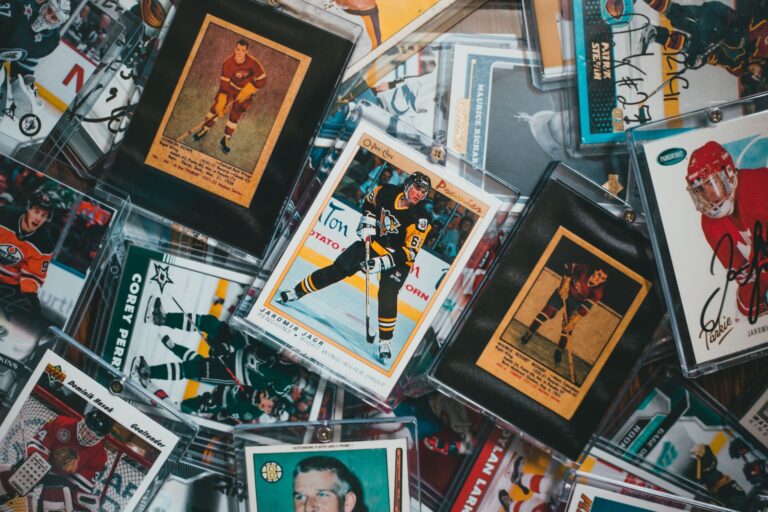
Building a complete Pokémon card set on a budget is entirely possible, but it requires patience, strategy, and a willingness to prioritize which cards matter most to your collection. Most collectors can assemble a full set from any given era for $200 to $500 by combining purchases from multiple sources, buying during off-peak seasons, and focusing on ungraded copies rather than graded specimens.
For example, completing a Base Set might cost $800 to $1,200 if you’re buying high-grade graded cards, but the same set in raw condition can be acquired for $300 to $400 if you’re patient and selective about timing. The key difference between expensive and budget-conscious collecting comes down to condition standards and how you define “complete.” A set technically contains all unique cards printed for that release, but you have flexibility in deciding whether you need first editions, shadowless copies, or any legitimate version of each card. By focusing on unlimited printings and accepting cards in lower grade ranges, most casual collectors can build impressive complete sets without spending more than they would on a used gaming console.
Table of Contents
- What Does “Complete” Actually Mean for Your Budget?
- Secondary Market Platforms and Where to Find Deals
- Bulk Purchasing and Lot Strategy
- Strategic Card Selection—Which Sets Are Most Budget-Friendly?
- Grading and Condition—The Cost of Perfection
- Storage and Display Without Extra Expense
- Building Toward Your Collection—The Incremental Approach
- Conclusion
- Frequently Asked Questions
What Does “Complete” Actually Mean for Your Budget?
Before you start buying, understand that “complete set” has different meanings depending on your goals and budget. The most forgiving definition includes any legitimate copy of each card—unlimited printings, shadowless, no stamp, or any other legal version counts as filling that slot. This approach dramatically reduces costs because shadowless Base Set Charizards routinely cost 10-15 times more than unlimited copies of the same card.
A single card like unlimited Base Set Machamp might run $8 to $15, while a shadowless version starts at $50 and climbs quickly. Consider the actual differences you’re buying: shadowless and 1st edition cards cost premium prices because of collector demand and scarcity, not because they’re mechanically different or more playable. For a budget build, accepting unlimited printings doesn’t compromise your ability to play or display the set—it just means you’re buying the most affordable legal version. some collectors further stretch their budget by accepting cards in lower grades, where a “light play” copy of an expensive card costs half what a “near mint” version would command.

Secondary Market Platforms and Where to Find Deals
Your primary shopping venues will be TCGPlayer, eBay, local card shops, and Discord trading communities—each with different pricing and reliability. TCGPlayer offers structured pricing with seller ratings, making it safer for high-value cards, but the fees and shipping costs add up quickly when you’re building a full set piecemeal. eBay sometimes has better bulk deals, especially older inventory that sellers want to clear, though you need to carefully verify card condition descriptions since the platform’s buyer protection is less seller-friendly than TCGPlayer.
A critical limitation when shopping secondhand platforms is that you’re competing with other collectors and speculators. Popular cards sell instantly at competitive prices, so budget builders often have to skip the first few listings and look for slightly less popular copies or bulk lots that contain some useful cards alongside filler. Local card shops often price above market value but provide the advantage of inspecting cards in person before purchase—a real advantage when you’re buying lower-grade copies where a “light play” rating could mean anything from light corner wear to creased edges you didn’t expect.
Bulk Purchasing and Lot Strategy
One underutilized budget strategy is buying large lots or collections that contain your target set mixed in with other releases or cards you don’t need. A seller liquidating a storage unit might include Base Set, Jungle, and Fossil all in one $300 lot—you get your target set plus bonus cards you can sell or trade separately, effectively lowering your net cost. This approach works especially well for older sets where complete ungraded collections occasionally surface on marketplace apps or through estate sales.
The tradeoff is time and effort: sorting through a mixed lot takes hours, and you’ll likely acquire duplicates and cards in varying conditions. However, even after paying premium resale prices for the unwanted cards, your effective cost on the target set can drop 20-30 percent. For example, if you buy a $500 mixed lot that includes 60 percent Base Set, 20 percent Jungle, and 20 percent other releases, you might spend only $300 of actual cost on the Base Set once you’ve sold the remaining cards locally or to a dealer.

Strategic Card Selection—Which Sets Are Most Budget-Friendly?
Not all sets cost the same to complete on a budget. Base Set and Shadowless variants will always be expensive due to collector demand and scarcity, but Jungle, Fossil, Team Rocket, and later sets from the 2000s offer complete sets at substantially lower price points. Jungle typically runs $150 to $250 for an unlimited complete set, while later sets like Aquapolis or Skyridge can sometimes be found for under $200 in ungraded condition—much more manageable targets if you’re new to collecting.
The limitation here is that early sets command premium prices for a reason: iconic cards, historical significance, and genuine scarcity make them more desirable. If your budget allows $400, you might choose to complete a single early set in lower grade rather than finish multiple later sets in better condition. Many budget collectors solve this by building 2-3 newer sets instead of struggling toward one expensive classic set, creating more total completion while spending less per set and accumulating broader historical coverage.
Grading and Condition—The Cost of Perfection
Pursuing graded copies of every card is a budget killer. A single PSA 8 Base Set Charizard costs $2,000 to $4,000, while an ungraded raw copy in similar condition runs $200 to $400. If you graded every card in a full set, your costs would multiply 5-10 times over compared to keeping cards raw. The practical solution for budget builders is accepting raw copies and grading only the highest-value cards if at all—maybe you grade your one chase card per set and keep everything else raw.
A warning about ungraded cards: condition descriptions rely entirely on seller honesty, and online photos sometimes mask flaws like creases or water damage that only become obvious in hand. When building on a budget, this means accepting a small risk that some cards won’t be exactly what you expected. Mitigate this by buying from sellers with extensive feedback, requesting additional photos when possible, and avoiding absolutes like “mint” from non-professional sellers. The actual card quality probably won’t be bad enough to ruin your set, but you need to accept that your cheapest cards might have light play wear that doesn’t show clearly in listings.

Storage and Display Without Extra Expense
Once you’ve assembled your set, proper storage protects your investment and costs very little. Top loaders and penny sleeves cost under $20 for enough supplies to protect a full set, and binder pages run similarly cheap. Storing cards in a cool, dry place—a closet shelf or storage box—costs nothing and prevents the fading and warping that sunlight and humidity cause.
Your budget complete set deserves basic protection, and fortunately, protection is inexpensive compared to what you spent acquiring the cards. The main tradeoff is between display and preservation: cards in an acrylic binder look great but spend years exposed to light and air, while cards in top loaders stay pristine but invisible. Many collectors compromise by displaying one or two highlight cards and storing the rest safely. If you eventually want to upgrade cards or move the set, proper storage from day one means you’re not starting with damage that’ll cost extra to correct.
Building Toward Your Collection—The Incremental Approach
Rather than committing to a single massive purchase, most successful budget builders acquire their sets slowly over 6-12 months. This approach reduces financial pressure, lets you sell cards from lots to fund future purchases, and gives you time to refine what you actually want. You might start with $50 of random cards you find locally, then allocate monthly budgeted amounts toward the remaining gaps.
Over time, $30-40 monthly purchases compound into complete sets without a painful lump sum. This incremental strategy also protects you from impulse decisions. Spending $500 at once on a set you’ve wanted for years might feel justified, but spreading that same $500 across a year of targeted purchases lets you verify you still want the set, confirm condition standards you’re comfortable with, and potentially shift direction if you discover a different set interests you more.
Conclusion
Building a complete Pokémon card set on a budget primarily means accepting older unlimited printings rather than first editions, shopping across multiple platforms for the best individual prices, and remaining flexible about which sets you target. A realistic budget of $200 to $500 can produce an entire legitimate complete set if you prioritize patience and selective sourcing over instant gratification or perfect condition. The real work is not spending too much too fast, avoiding the premium-grade trap, and remembering that a budget-built set is still a complete set that you own and can enjoy.
Your path forward depends on which sets appeal to you most and how much monthly budget you can allocate. Start by identifying 1-2 sets that interest you, research their average card prices on TCGPlayer, and set a realistic timeline. Join collecting communities or Discord servers where traders share bulk lots and alert each other to deals. With deliberate strategy and reasonable patience, a complete Pokémon card collection is achievable without spending thousands, and often the hunt itself becomes more rewarding than the final set.
Frequently Asked Questions
Can I build a Base Set complete for under $300?
In unlimited condition with light play cards, yes. You’ll likely pay $250-350 for a full raw unlimited Base Set if you accept some lower-grade copies and hunt carefully across multiple sellers. Shadowless or first edition versions will exceed that budget significantly.
Should I buy graded or raw cards when building on a budget?
Graded cards are a luxury expense. Stick with raw cards and use the savings to complete more sets or improve your overall collection quality. If you absolutely want graded copies, grade only your most valuable or favorite cards.
How long does it actually take to complete a set on a budget?
Most collectors complete a set in 3-8 months when actively hunting. Passive shopping without deadline flexibility might extend this to 12-18 months. Slower timelines aren’t bad—they reduce pressure and spread costs.
Are lot purchases really worth the effort if I don’t want all the cards?
Yes, if the lot contains 40-50 percent of your target set. Your effective cost on the target cards drops enough to justify sorting time, and you can resell unwanted cards locally to other collectors or dealers.
What if a card stays unavailable or the price seems too high?
Accept the card in lower condition, keep searching for weeks or months, or shift to a different set. Some cards have seasonal pricing shifts, and patience often reveals better deals as inventory rotates. Forcing a premium purchase breaks your budget strategy.
Can I build complete sets from different eras within the same budget?
Yes. Multiple newer or mid-era sets (Jungle, Fossil, Aquapolis, Skyridge) collectively cost less than a single premium early set. Diversifying your targets often means faster completion and more total cards acquired.