Base Set Magneton holo cards have experienced a notable decline in value over the past five years, with prices trending downward especially through 2024 and into 2025. While the card remains a recognizable piece of Pokemon TCG history and a popular element for collectors completing Base Set runs, buyers in 2026 are looking at significantly different market conditions than they would have in 2021. Raw near-mint Base Set 2 Magneton #9 cards currently sell around $15.82, while standard Unlimited versions fetch approximately $8.50, representing a substantial softening from the peak prices seen during the Pokemon card boom of recent years.
The Magneton holo market tells a cautionary tale about Pokemon card investing during volatile periods. What makes understanding this particular card important is that it demonstrates how secondary-tier holos from the Base Set era behave differently than the chase cards like Charizard or Blastoise. The spread in recent eBay sales—ranging from $1 to $94.25 on roughly 45 cards traded monthly—shows that condition, edition type, and grading status create enormous value variances that new buyers often misjudge.
Table of Contents
- How Have Magneton Holo Prices Changed Over the Past Five Years?
- Edition Types and Their Dramatic Value Differences
- Professional Grading and Market Premiums for Certified Cards
- Recent Market Activity and Price Volatility
- Condition Grading Challenges and Common Buyer Mistakes
- Investment Potential and Realistic Return Expectations
- Future Outlook and Advice for Current Buyers
- Conclusion
How Have Magneton Holo Prices Changed Over the Past Five Years?
Magneton holo cards have moved in the opposite direction of where many collectors hoped post-2021. The average price point for raw, near-mint examples has dropped consistently, with secondary market data showing a continuing downward trend throughout 2024 and into 2025. This isn’t unique to Magneton among base Set holos, but the decline has been sharper than some might expect for a card that remains visually distinctive and relatively affordable compared to the chase cards. The reasons behind this decline are multifaceted. A massive increase in pack openings and card supply released into the market during the 2020-2023 boom created oversupply at mid-tier price points.
Additionally, Magneton lacks the cultural nostalgia pull that drives sustained demand for cards like Charizard or Dragonite. Buyers who entered the hobby during the hype cycle have largely exited, and those who remain are more selective about which Base Set holos deserve shelf space or portfolio allocation. If you purchased a near-mint raw Magneton #9 in 2021 for $25-30, you’ve likely experienced a 40-50% decline in resale value. That same card today might move for $15-18. This reality shapes how serious collectors and investors should approach new acquisitions: the recovery trajectory for secondary-tier holos remains uncertain.

Edition Types and Their Dramatic Value Differences
Magneton comes in three distinct Base Set variants—Shadowless, 1st Edition, and Unlimited—and the price gaps between them are staggering. A 1st Edition PSA 10 (the highest professional grade) commands approximately $6,999.99, while a raw near-mint Unlimited version sits at roughly $8.50. This roughly 820x price multiplier isn’t unusual for top-tier graded examples versus raw bulk, but it underscores a critical limitation for most buyers: condition and edition type can mean the difference between a $10 card and a $7,000 card. Shadowless editions occupy a middle ground, typically valued higher than Unlimited but substantially lower than 1st Editions, though comprehensive pricing data for raw shadowless Magneton is less readily available in the current market.
The scarcity and desirability hierarchy heavily favors 1st Edition, which commands a premium both for the printing variation and the historical significance collectors assign to first printings. The practical warning here is direct: if you’re buying a Magneton holo described as “near mint” or “excellent” without professional grading, you’re making a significant bet on your own condition assessment. A card you believe is near mint might grade PSA 7 or 8, drastically reducing value. Many newer buyers underestimate how difficult it is to accurately self-grade cards in the 7-9 range, and the $8.50 current value leaves almost no margin for error if your condition assessment is off.
Professional Grading and Market Premiums for Certified Cards
Professional grading through PSA, BGS, or similar services fundamentally changes Magneton’s value proposition, but the premium isn’t always worth paying for lower-tier grades. A 1st edition PSA 10 at $6,999.99 is a different asset class entirely from the $15 raw card. However, a 1st Edition PSA 7 or 8 might cost $400-800 in grading and encasement fees while only adding $150-300 to resale value compared to an equivalent raw card. This creates a practical limitation for most Magneton buyers: unless you’re confident you own a 1st Edition in exceptional condition (PSA 9 or 10 territory) or possess the expertise to identify shadowless versus Unlimited variants reliably, grading often destroys more value than it creates.
The current market doesn’t reward grading mid-condition unlimited Magneton cards. A graded PSA 8 Unlimited Magneton might sell for $30-50, while the grading itself costs $25-100 depending on turnaround speed. Collectors should understand that grading makes sense primarily for 1st Editions, high-end shadowless variants, or cards you plan to hold long-term as a portfolio component. For a $15 card, it rarely justifies the economic outlay.
Recent Market Activity and Price Volatility
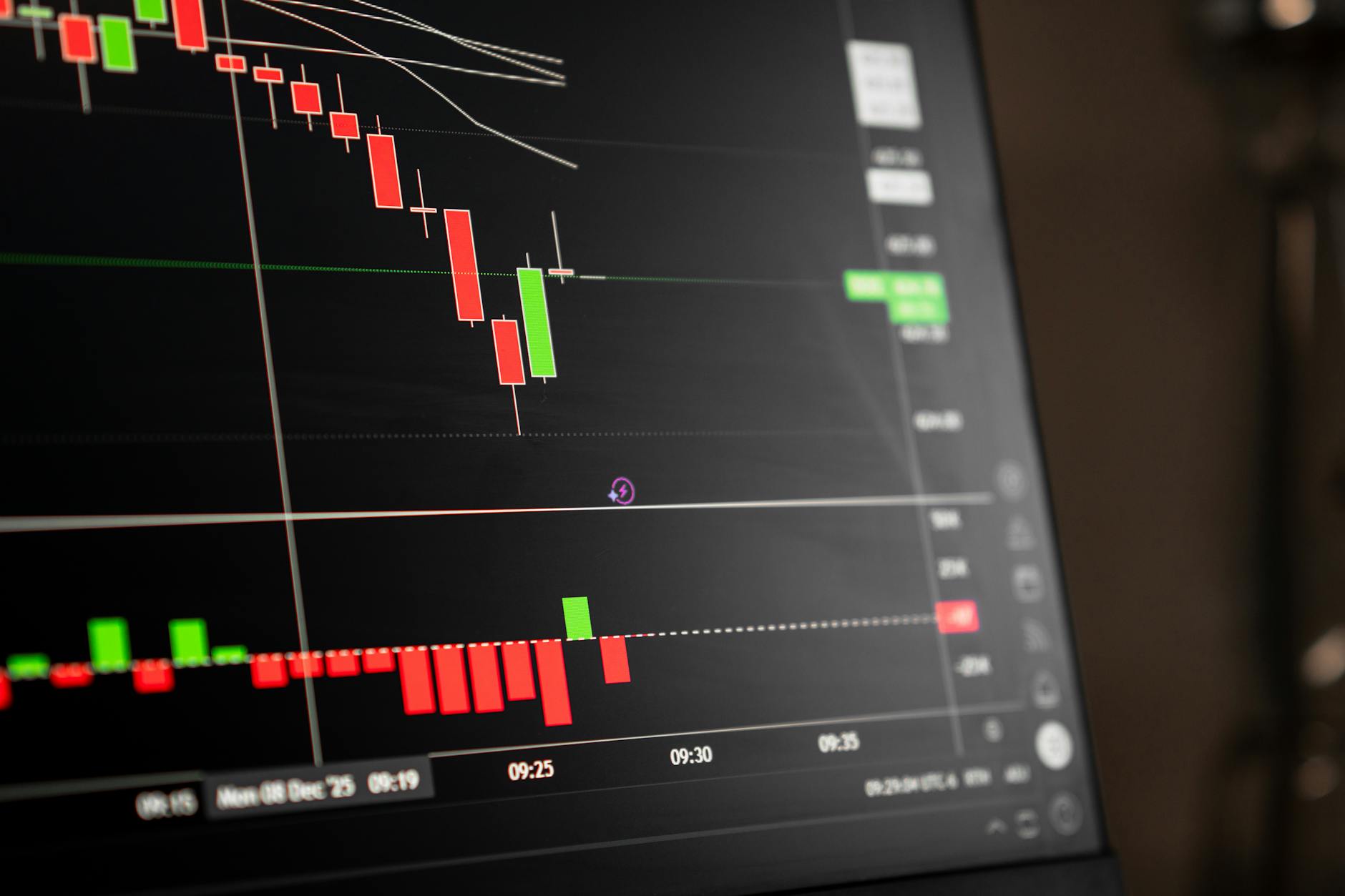
The secondary market for Magneton shows roughly 45 transactions monthly across platforms like eBay, with an average price point of $14.47 but a massive spread: minimum sales at $1 (likely heavily played or damaged) to maximum around $94.25 (likely 1st Edition or high-grade shadowless). This volatility tells you that Magneton is neither a stable investment nor a dead card—it’s actively traded but by a diverse buyer base with widely varying expectations. The $14.47 average suggests that most Magneton cards selling are in the lightly played to near-mint raw category, clustering around the $12-20 price range.
Outliers on both ends exist, but the middle represents the realistic market for most buyers considering a Magneton acquisition. The downward price trend throughout 2024 and into 2025 means that each passing month sees slightly softer ask prices, giving you negotiating leverage if you’re buying but presenting a warning if you’re considering holding speculatively. One critical limitation of the trading data is that it doesn’t separate variant types cleanly in public eBay listings, meaning some of that $1-$94 range likely conflates Unlimited and 1st Edition sales without clear identification. This underscores why educating yourself on variant identification is essential before entering the market as a buyer.
Condition Grading Challenges and Common Buyer Mistakes
Most buyers overestimate card condition by one or two grades. A card that appears “near mint” to casual inspection often grades PSA 6 or 7 rather than 8 or 9. For Magneton, this is particularly problematic because the difference between a PSA 7 and PSA 9 is substantial in absolute dollars—potentially $40-150 depending on edition—but the visual difference to untrained eyes is subtle. Surface scratching, light centering issues, and corner wear accumulate gradually and are hard to self-assess accurately. The holo pattern on Base Set Magneton is particularly prone to showing surface wear, meaning condition assessment requires special attention to the illustration area.
Light play or storage in non-archival sleeves can create micro-scratches on the holo that become obvious under magnification but might not be visible at arm’s length. A card stored casually for 25 years has almost certainly suffered some holo surface degradation, even if the overall appearance seems excellent. Buying without in-hand inspection of magnified photos creates genuine risk. Sellers often don’t photograph the holo pattern under bright light, meaning surface wear is invisible in their eBay photos. This is why experienced buyers request additional photos or pay premiums for cards from reputable graders and dealers where return policies exist. The $8-15 price point of most raw Unlimited Magneton cards makes returning a misrepresented example logistically difficult.

Investment Potential and Realistic Return Expectations
If you’re considering Magneton as an investment rather than a collection piece, the data suggests managing expectations carefully. The downward trend over five years and continuing into 2025 indicates that speculative gains are unlikely in the near term.
Unlike Charizard or other chase cards that benefit from sustained cultural demand, Magneton’s appeal is primarily to set completionists and nostalgic collectors. Realistic scenarios for a $15 Magneton purchase include: holding for 5-10 years and seeing modest appreciation if the broader Pokemon TCG market recovers (potentially breaking even after inflation), keeping it as a permanent collection piece with no expectation of profit, or buying in bulk as part of a Base Set completion project where the goal is collecting rather than investing. The risk of further price decline over the next 12-24 months exists, particularly if grading companies continue releasing high volumes of 1980s-1990s cards from bulk submissions.
Future Outlook and Advice for Current Buyers
The Magneton market is likely to remain soft unless there’s a significant shift in broader Pokemon TCG demand or a specific Magneton-related pop culture event (such as a major Magneton appearance in new Pokemon media). Base Set revisits and reprints scheduled for late 2025 and 2026 may further suppress original Base Set secondary market values by offering alternatives to collectors unwilling to pay premium prices. For buyers deciding whether to acquire a Magneton holo now versus waiting, the current declining trend suggests patience may be rewarded.
If your goal is completing a Base Set and you need a Magneton, buying now at $8-15 rather than waiting six months for potential further decline makes sense only if you’re willing to accept modest losses. The card isn’t about to become a five-dollar card, but the floor appears to be settling somewhere in the current range. Monitor market activity over the next 30-60 days before committing to significant quantities or higher-grade variants.
Conclusion
Base Set Magneton holo cards have transitioned from a speculative asset into a steady, modestly-priced collection piece over the past five years. Buyers in 2026 should approach Magneton with clear eyes about value trends, realistic condition assessment, and an understanding that edition type and grading status create enormous pricing variance.
The $8-15 price range for typical raw unlimited examples represents fair value in a declining market, appropriate for set completionists but not for speculation-minded investors. If you’re buying a Magneton, prioritize acquiring it from reputable sources with clear high-resolution photos, accept that you’ll likely hold it as a collection piece rather than a profit generator, and avoid paying grading and encasement costs unless you’re confident you own a high-end 1st Edition. The secondary market remains active with roughly 45 monthly transactions, giving you liquidity if you need to exit, but the trajectory suggests patience in entering the market is preferable to urgency.