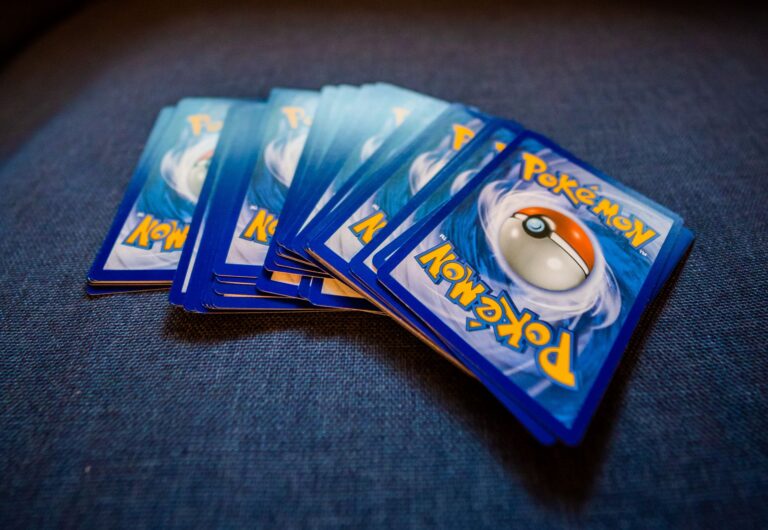
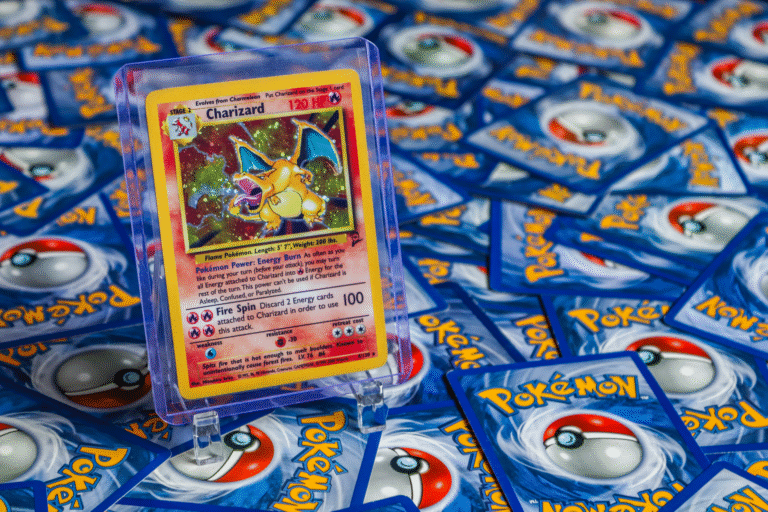
Computer Search from the Pokémon Base Set remains one of the most coveted and strategically important cards in the vintage trading card market. This ACE SPEC Item/Trainer card (#71/102), illustrated by Keiji Kinebuchi, has become far more than a playable card—it’s evolved into a significant investment vehicle for collectors and investors tracking the vintage card boom that accelerated after 2018. If you’re considering purchasing one since 2018, you need to understand that Computer Search’s value derives from both its gameplay utility in competitive formats and its scarcity in high grades, particularly in 1st Edition condition.
The market has spoken decisively about Computer Search’s worth over the past six years. A complete Base Set 1st Edition collection in PSA 10 condition appreciated from $120,000 in 2020 to $911,629 by 2025—a 660% increase that underscores just how aggressively Base Set era cards have moved. This wasn’t a one-off surge either; the broader market for Base Set cards has appreciated 15-25% annually heading into Pokémon’s 30th anniversary celebration that launched in February 2026. Computer Search’s individual market performance mirrors this trajectory, making it essential for buyers to understand the dynamics that drive pricing and investment potential.
Table of Contents
- Understanding the Card’s Identity and Print Variations
- Price Ranges and Market Values Since 2018
- First Edition vs. Unlimited and the Shadowless Factor
- Where to Buy and Price Monitoring Resources
- Grading and Authentication Concerns
- Investment Outlook Through 2026 and Beyond
- The Broader Context of Base Set Nostalgia and Market Momentum
- Conclusion
- Frequently Asked Questions
Understanding the Card’s Identity and Print Variations
Before you commit to purchasing Computer Search, verify exactly which version you’re getting. The card was originally printed in base Set (#71/102) and later reprinted in Base Set 2 (#101). This distinction matters enormously for pricing. A 1st Edition Base Set copy commands significantly more than a Base Set 2 version—sometimes a 5-10x premium depending on grade. When browsing on TCGPlayer or CardTrader, always confirm the set designation and print line at the bottom of the card.
The Base Set version is the more sought-after original, while Base Set 2 serves as a more affordable entry point for players who want the card functionality without the collector’s price tag. The card itself functions as an ACE SPEC Trainer card, which means only one ACE SPEC card is legal in a competitive deck under most format rules. This restriction, combined with Computer Search’s powerful draw effect, made it a staple in competitive play during the eras when it was legal. From a collector’s perspective, this historical significance drives appeal beyond pure scarcity. Players who competed during Base Set’s heyday understand Computer Search’s strategic value, which creates additional demand from nostalgia-driven buyers who remember when this card defined tournament-winning strategies.
Price Ranges and Market Values Since 2018
The trajectory of Computer Search pricing since 2018 tells a story of consistent, significant appreciation. Individual PSA 10 1st Edition cards have risen as part of the broader Base Set surge, with recent sales data available through multiple reputable platforms including TCGPlayer and CardTrader. The dramatic growth of complete sets—from $120,000 to over $911,000—demonstrates that even buyers focused on assembling full collections recognize Computer Search’s role as a cornerstone card that anchors overall set value. However, price volatility remains a real concern.
While long-term trends favor vintage 1st Edition cards, short-term fluctuations occur based on market sentiment, competitive releases, and macroeconomic conditions affecting collector spending. Lower-grade versions (PSA 8 or below) appreciate more slowly and carry higher risk if you’re viewing this as an investment. The sweet spot for appreciation has been PSA 9-10 1st Edition copies, which balance accessibility with the grade premiums that drive serious collector competition. Before making a purchase, check historical price data on the price guide to see what similar cards actually sold for over the previous three to six months—not just asking prices, which tend to be inflated.
First Edition vs. Unlimited and the Shadowless Factor
Among collectors, few distinctions matter more than First Edition vs. Unlimited printings. Computer Search’s First Edition Base Set copy carries the “1st Edition” stamp on the left side of the card, making it immediately identifiable and considerably more valuable. An Unlimited version (with no first edition marking) costs a fraction of the First Edition equivalent—often 40-60% less depending on grade.
Some early Base Set printings also exist as “Shadowless” variants, which lack the black border shadow around the card artwork, but Computer Search’s specific print run makes shadowless versions extremely rare and command premium prices that rival or exceed standard First Edition costs. This hierarchy is crucial for buyers because it defines your investment trajectory. If you purchase an Unlimited Computer Search thinking you’re getting a deal, you’ve essentially acquired a card with slower appreciation potential and lower resale liquidity. Conversely, First Edition copies position you on the steeper part of the appreciation curve that Base Set cards have demonstrated since 2018. Pay careful attention to grading reports and card descriptions—unscrupulous sellers sometimes obscure print details in listings, so always request clear images of the card’s left edge and the full card back before committing to a purchase.

Where to Buy and Price Monitoring Resources
Multiple established marketplaces facilitate Computer Search trading, each with different advantages depending on your location and trading preferences. TCGPlayer serves as the primary U.S. marketplace with real-time price data and multiple seller options, allowing you to compare listings and track market trends through their price guide. CardTrader caters to international collectors and provides access to a broader European market perspective. Cardmarket focuses on European pricing and is particularly valuable if you’re tracking non-U.S.
market sentiment or seeking copies from European sellers. For serious buyers treating Computer Search as an investment, subscribe to price tracking data from the price guide, which logs completed sales and actual transaction prices rather than asking prices. TCGPlayer’s price trend analysis includes historical data that reveals whether cards are appreciating or facing headwinds. The current market environment—with Pokémon’s 30th anniversary driving fresh enthusiasm and the broader trading card ecosystem valued at $2.7 billion annually—favors long-term holds, but this doesn’t guarantee continued appreciation. Set price alerts on these platforms and resist the impulse to buy during hype spikes; the strongest gains come to patient buyers who purchase during periods of relative indifference and hold through the cycles.
Grading and Authentication Concerns
Computer Search’s value is almost entirely dependent on grade, making authentication critical. A PSA 10 and a PSA 8 of the same printing can differ by $3,000-$8,000 or more. This premium creates financial incentive for fraud, so purchase exclusively from cards already graded by reputable authentication services like PSA, BGS, or CGC. Ungraded copies, even if they appear pristine, are difficult to resell at premium prices and lack the third-party verification that serious collectors require.
Be cautious of counterfeit cards, which have proliferated in the vintage Pokémon market since the 2020-2021 boom. High-quality fakes of Computer Search exist, particularly from overseas sellers on platforms without rigorous verification. The easiest way to avoid counterfeits is to purchase already-graded cards from established dealers with feedback histories and return policies. If you’re considering an ungraded copy because of price, have it authenticated by a professional grading service before paying collector prices. The grading fee—typically $10-$20—is cheap insurance against losing thousands on a fake.

Investment Outlook Through 2026 and Beyond
The consensus among market analysts and experienced collectors points toward continued appreciation for Base Set 1st Edition cards through 2026, with projections ranging from 30-50% additional gains on high-grade vintage copies. This forecast rests on several foundations: the scarcity of cards in PSA 9-10 condition, limited original print runs that ensure supply constraints, and the psychological appeal of owning original Base Set cards as the Pokémon TCG enters its 30th anniversary year with renewed mainstream attention. However, appreciation isn’t guaranteed.
Market sentiment can shift rapidly if major competition or regulatory changes affect collecting interest. Macroeconomic downturns also cool the high-end collectibles market, as happened briefly during inflationary periods. Computer Search’s specific appeal—as both a historically important card and a playable piece—provides more resilience than purely speculative cards, but it’s not immune to broader market movements. Buyers should view Computer Search as a medium-to-long-term holding (3-5+ years minimum) rather than a short-term flip, and only commit capital you can afford to leave deployed for an extended period.
The Broader Context of Base Set Nostalgia and Market Momentum
Computer Search doesn’t exist in isolation; its appreciation is inseparable from the broader Base Set phenomenon that has defined Pokémon card collecting since the 2018-2019 revival. Nostalgia buyers—millennials who collected during the late 1990s and early 2000s—have driven demand for authentic Base Set cards, and Computer Search’s role as a tournament staple makes it particularly attractive to this demographic. The 30th anniversary celebration launching in February 2026 has reignited mainstream interest in the trading card game, potentially extending the appreciation window for vintage cards that many dismissed as too expensive just five years ago.
The market conditions that enabled Computer Search’s 660% appreciation haven’t fundamentally changed, though they’re unlikely to accelerate further. Growth rates of this magnitude create their own ceiling; a $911,000 complete set has limited buyer pools, and the market requires new money to sustain appreciation rates of 25%+ annually. Realistic expectations for the next 2-3 years point toward 10-20% annual appreciation for high-grade vintage cards, which still significantly outpaces inflation and stock market returns, but represents a moderation from the explosive gains of 2020-2024.
Conclusion
Computer Search represents a compelling acquisition for collectors balancing gameplay history with investment potential, but only if you approach the purchase with clear eyes about grading requirements, edition distinctions, and realistic expectations for future appreciation. The fundamentals remain sound—scarcity, historical importance, and maintained collector demand—but the days of 50-100% annual gains have likely passed. Buyers entering the market in 2026 should expect to hold for 3-5 years to realize meaningful appreciation and focus exclusively on 1st Edition copies in PSA 9-10 condition to maximize your position on the appreciation curve.
Before committing capital, use the price tracking resources available on TCGPlayer, the price guide, and Cardmarket to understand current market rates and recent sales activity. Verify the exact version and grading before purchasing, and consider the opportunity cost of deploying capital into vintage cards versus other collectible categories or investment vehicles. Computer Search remains a legitimately strong collectible, but smart buying—not blind collecting—will determine whether your purchase becomes a winning investment or a cautionary tale about buying into mature markets.
Frequently Asked Questions
What’s the difference between Computer Search from Base Set and Base Set 2?
Computer Search appears as card #71/102 in the original Pokémon Base Set (the more valuable version) and as #101 in Base Set 2. The Base Set version is significantly rarer and commands premium prices, sometimes 5-10x higher than the Base Set 2 reprint depending on grade. Always verify which set you’re purchasing.
How much should I expect to pay for a PSA 10 1st Edition Computer Search in 2026?
Current market pricing varies based on exact condition and market conditions, but high-grade 1st Edition copies represent a significant investment. Check TCGPlayer and CardTrader for real-time pricing rather than relying on historical data, as markets move rapidly.
Is Computer Search a good investment compared to other Base Set cards?
Computer Search is one of the stronger performers within Base Set due to its gameplay significance and collector appeal, but Charizard, Blastoise, and other iconic Pokémon cards have driven larger overall appreciation. Computer Search offers strong fundamentals without the extreme price premiums of the most iconic cards, making it an accessible way to own a significant Base Set piece.
Should I buy an ungraded Computer Search if it looks pristine?
No. Ungraded copies are extremely difficult to resell at premium prices and lack third-party authentication. The grading fee ($10-$20) is negligible compared to the risks of holding an ungraded card or losing value when you attempt to sell. Always buy already-graded copies from reputable sellers.
What are the risks of buying Computer Search as an investment?
Market sentiment can shift, macroeconomic downturns cool collectibles spending, and counterfeit cards pose authentication risks. Additionally, appreciation rates have slowed from their 2020-2024 peaks. Only invest capital you can afford to deploy for 3-5+ years and focus on high-grade, authenticated 1st Edition copies to minimize risk.
Are there shadowless Computer Search cards, and are they worth more?
Shadowless variants exist but are extremely rare for Computer Search. If you encounter one, it likely commands premium pricing above standard 1st Edition copies. However, most Computer Search copies from the primary print run are standard versions, so don’t expect to find shadowless variants in regular marketplace listings.