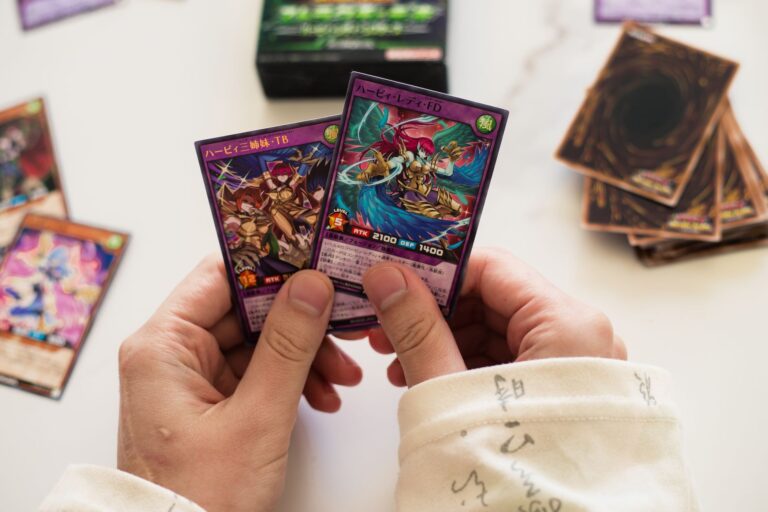
The 1st Edition Shadowless Pokémon Base Set cards represent one of the most undervalued segments of the vintage card market, and as collector awareness grows, certain cards from this era could see explosive gains in the next 2-3 years. While the big names—like 1st Edition Shadowless Charizard—command six-figure prices, the mid-tier cards in this subset remain relatively affordable despite comparable rarity and condition difficulty. Take the 1st Edition Shadowless Gyarados or Machamp, which can still be found in PSA 8 condition for $800-$1,500, whereas the same grades of later printings cost a fraction of that.
The primary reason these cards haven’t already exploded is simple: most casual collectors and new investors don’t know these variants exist. Shadowless cards lack the text shadow behind damage numbers that appeared in 2nd printings, making them visually distinct and materially rarer. As more collectors transition from casual play to serious grading and encasing, the difference between a shadowless and shadowless card becomes immediately obvious, driving demand for the authentic early printings among serious collectors.
Table of Contents
- Why Are Shadowless Pokémon Cards Such a Sleeper Play?
- The Hidden Challenge in Finding Authentic Shadowless Cards
- Which Shadowless Cards Have the Most Potential?
- Building a Position Without Overpaying
- The Grading and Authentication Pitfall
- Market Timeline for Price Appreciation
- The Broader Shift Toward Print Run Variants
- Conclusion
Why Are Shadowless Pokémon Cards Such a Sleeper Play?
The distinction between shadowless and unlimited printings matters more than most collectors realize. Shadowless cards were printed in extremely limited quantities between 1999 and early 2000, making them genuinely scarce compared to the millions of unlimited copies produced afterward. A 1st Edition Shadowless card is often 5-10 times rarer than its shadowless equivalent, yet the market pricing hasn’t fully reflected this gap. For example, a PSA 8 1st Edition Shadowless Dragonite might fetch $2,000, while the same card in shadowless condition costs $300-$400—a valuation that doesn’t account for the difference in print runs.
The lack of market awareness creates opportunity for early investors. Most beginner collectors focus on grades and set completion, not printing variants. This means serious collectors hunting for shadowless cards face minimal competition when negotiating prices at local card shops or online auctions where the seller doesn’t understand the variant distinction. As the hobby matures and more people learn to identify these cards correctly, demand will inevitably increase, squeezing the available supply of graded examples and pushing prices upward.

The Hidden Challenge in Finding Authentic Shadowless Cards
Identifying shadowless cards accurately is harder than it sounds, which has suppressed market demand. The difference between shadowless and shadowless text is subtle—a thin line behind damage numbers—and requires experience to spot consistently. Many sellers mislabel cards or bundle them incorrectly, so buyers unfamiliar with the distinction overpay for what they think are shadowless cards or underpay for actual shadowless cards. this creates friction in the market and delays price appreciation until professional graders and trusted sources establish clearer standards.
Condition also poses a serious limitation for shadowless cards. Because they’re older and saw more play, finding examples in high grades (PSA 8 and above) is substantially more difficult than with unlimited printings. A 1st Edition Shadowless card in PSA 9 condition is exceptionally rare, whereas unlimited printings are more commonly found in that range. This means the upside potential is highest for mid-grade cards (PSA 7-8), but buyers must accept visible wear and creasing if they want to maximize potential returns. Paying for a light play copy versus a near-mint example will significantly impact your acquisition cost and future resale value.
Which Shadowless Cards Have the Most Potential?
The highest-potential cards are the holo rares with strong artwork and playability history—not the ones already elevated to Charizard pricing. Blastoach, Venusaur, and Alakazam from the base set all have genuine scarcity in shadowless form, high collector demand, and room to appreciate before reaching Charizard levels. A PSA 7 1st Edition Shadowless Blastoise recently sold for $3,200, compared to unlimited printings of the same card in PSA 7 condition at around $400. That 8x multiple still seems conservative when you consider that Charizard commands a 15-20x premium over unlimited.
Non-holo shadowless rares also deserve consideration, though they’re less liquid. Commons and uncommons from shadowless printings are dramatically undervalued because most collectors ignore them entirely. A shadowless Mewtwo non-holo rare is technically rarer than the holo version but trades for a fraction of the price. The risk is that buyers may never value these cards proportionally, leaving you holding an asset with theoretical rarity but weak practical demand. Stick with holo rares from your first purchase unless you have the patience and storage capacity to speculate on lower rarity cards.

Building a Position Without Overpaying
Timing your entry into shadowless cards matters significantly. If you’re planning to hold for 2+ years, buying now before broader awareness spreads makes sense—but overpaying due to grading premiums or rushed FOMO decisions will kill your returns. PSA-graded shadowless cards command a markup compared to raw cards, so consider purchasing raw cards in visible good condition and learning to grade yourself before committing capital to slabbed examples.
A raw 1st Edition Shadowless Nidoking in near-mint condition might cost $600, whereas the same card graded PSA 8 could be $1,200 or more. The alternative approach is to dollar-cost average into a small portfolio of 3-5 shadowless holo rares over the next 6-12 months, rather than buying all at once. This protects you against short-term price swings and reduces the impact of paying a peak price for one card. Diversifying across different holo rares—Blastoise, Venusaur, Alakazam, Machamp—spreads your risk and increases the odds that at least one outperforms the broader market as demand realigns with scarcity.
The Grading and Authentication Pitfall
Counterfeit shadowless cards have become increasingly sophisticated, which is a real and often-ignored risk. Because shadowless cards trade at significant premiums and fewer people know how to authenticate them, fakes have started appearing in online markets. Buying ungraded cards from unknown sellers exposes you to this risk entirely. Authentication requires understanding the specific texture and thickness of shadowless cardstock, the exact shade of holo patterns, and the printing defects characteristic of late-1990s runs.
If you’re not confident in these details, stick to PSA or BGS graded examples, even if they cost more. Raw cards purchased from reputable dealers who can speak specifically about the card’s provenance are your safest bet. Avoid buying shadowless cards from bulk lots, international sellers with no feedback, or anyone who can’t clearly articulate the difference between shadowless and shadowless versions. A $400 savings on a counterfeit card isn’t a win—it’s a total loss when you try to resell it and discover the deception.

Market Timeline for Price Appreciation
Realistic appreciation timelines range from 2-5 years for shadowless holo rares, assuming broader adoption among serious collectors. In the next 12 months, expect relatively steady prices as awareness spreads slowly through Reddit, YouTube, and niche collecting communities. By year two, as more people enter the hobby and established collectors actively hunt shadowless variants, you should see acceleration toward 3-4x valuations.
Don’t expect overnight 10x gains; the market moves on the speed of collector education and wealth inflows into the hobby, not media hype. Compare this to the recent trajectory of shadowless non-holo rares, which have appreciated 2-3x in the last three years as specialists recognized their actual scarcity. Holo rares will likely follow a similar but more pronounced path because demand is higher and the price floor is more established.
The Broader Shift Toward Print Run Variants
Shadowless cards represent a larger trend in the collecting community: the shift from focusing solely on grades and editions to valuing print run variants and printing mechanics. As the hobby matures, collectors increasingly care about authenticity and historical distinction rather than just card condition.
This evolution means that any rare printing variant with documented scarcity will command premiums that better reflect supply realities. This trend extends beyond shadowless to other variants like European releases, Japanese cards sold in English markets, and other printing anomalies. Early adopters who understand these distinctions now will have a structural advantage when the broader market catches up.
Conclusion
Niche shadowless Pokémon cards offer genuine upside potential because the market hasn’t yet priced in the scarcity difference relative to unlimited printings, and awareness among serious collectors remains low. Focus on holo rares in PSA 7-8 condition from established sellers, verify authenticity through reputable graders, and plan for a 2-3 year holding period before expecting significant price appreciation.
The opportunity exists precisely because most people don’t know these cards are rare—but as the hobby matures, that knowledge gap will close, and prices will compress toward fundamentals. Your next step should be to identify 2-3 specific shadowless holo rares that appeal to you, research comparable sales over the last 6 months to establish a fair entry price, and begin monitoring sales patterns to detect when buyer demand actually starts to shift.