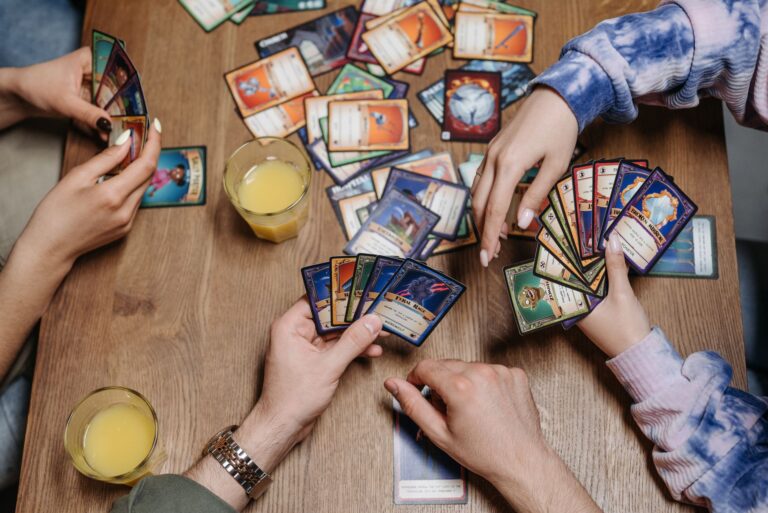
Chansey’s rise to sleeper favorite status stems from a combination of nostalgia, accessibility, and unexpected supply constraints that emerged over the past five years. The 1999 Base Set Chansey, particularly holographic versions, exemplifies this phenomenon—initially overlooked as a lower-tier psychic support card, it gradually accumulated collector demand as Pokemon TCG interest exploded beyond competitive players. Unlike Charizard or Blastoise, Chansey carried no championship prestige, yet it became precisely what savvy collectors sought: undervalued, recognizable, and progressively scarcer as sealed product dried up.
The path to collector prominence wasn’t driven by tournament results or meta relevance. Instead, it reflected how collectors increasingly valued Pokemon card acquisition through emotional connection and visual appeal. Chansey’s pale pink aesthetic, gentle expression, and connection to healing mechanics (eggs as recovery items) resonated with collectors who weren’t necessarily chasing power cards. For many returning to the hobby in 2021-2023, Chansey represented an affordable entry point to vintage holographic cards compared to first-edition Charizards commanding four-figure prices.
Table of Contents
- Why Did Chansey Initially Get Overlooked as a Collectible?
- The Shift in Collector Psychology and Vintage Nostalgia
- Specific Chansey Variants That Drove the Sleeper Status
- How Collectors Identified Chansey as an Undervalued Opportunity
- Authentication and Grading Challenges with Popular Cards
- The Role of Social Media in Accelerating Sleeper Status
- Future Outlook and Market Saturation Considerations
- Conclusion
- Frequently Asked Questions
Why Did Chansey Initially Get Overlooked as a Collectible?
base Set Chansey occupied an awkward middle ground in the original trading card era. Released in 1999 at a time when competitive players dominated the hobby, Chansey was objectively weaker than other psychic options and lacked the cultural cachet of recognized powerhouses. Collectors in the early 2000s prioritized the famous trio—Charizard, Blastoise, and Venusaur—while Chansey sat in bulk bins at card shows, often bundled with other “commons” despite technically being an uncommon card. this collective indifference created an oversupply of Chansey cards relative to actual collector interest.
The pricing data reflected this dismissal for two decades. A mint Chansey holographic from Base Set could be acquired for $15-30 through much of the 2010s, while comparable condition Venusaur holograms commanded $50-100. This wasn’t because Chansey was harder to find—in fact, it was often more available. The discrepancy revealed pure preference bias: players and collectors gravitated toward fire and grass types, leaving psychic specialists in the shadows. The card’s in-game utility as a support card with limited offensive potential reinforced its secondary-tier status in collector consciousness.

The Shift in Collector Psychology and Vintage Nostalgia
Around 2019-2020, a fundamental shift occurred in how collectors approached vintage cards. The Pokemon TCG’s explosion on mainstream social media, driven partly by YouTube unboxing content and celebrity interest, brought millions of new participants who lacked childhood cards from the era. These fresh collectors weren’t seeking the “correct” vintage cards according to 1990s tournament hierarchies—they wanted any genuine relic from the era that appealed to them personally. Chansey benefited enormously from this democratization of collecting preferences. The pandemic further accelerated this transition. Sealed 1999 Base Set boxes became nearly impossible to find, prices skyrocketed, and aggregate supply tightened dramatically.
With fewer new cards entering the market, collectors began exploring alternative vintage cards to diversify their collections. Chansey’s psychological profile suddenly shifted from “overlooked support card” to “affordable vintage holo I actually enjoy looking at.” This wasn’t mere nostalgia—it represented a mature understanding that collectibility isn’t permanent or fixed. What the market undervalued in 2015 could reasonably become undervalued by 2020 if conditions changed. The limitation to watch: this collector psychology shift created artificial scarcity. More Chansey cards exist in circulation than many rarer Pokemon, but fewer people are selling. Once selling pressure increases, prices could correct downward significantly.
Specific Chansey Variants That Drove the Sleeper Status
The “rare Chansey” status applies most directly to the Base Set 1st Edition holographic and unlimited holographic versions. A 1st Edition Base Set Chansey holo graded at PSA 8 climbed from roughly $40 in 2018 to $180-220 by 2024, a five-fold increase in value. This outpaced broader Base Set appreciation for most non-charizard cards, demonstrating genuine market demand rather than general TCG growth. The shadowless variant, even rarer, appreciated even more dramatically, though fewer graded examples exist for direct comparison.
Beyond Base Set, other Chansey printings developed collector followings for different reasons. Fossil Set Chansey, the Chansey-Blissey combo card, and even modern secret rare Chanseys attracted targeted collector communities. The Shining Chansey from Neo Destiny achieved particular reverence due to both rarity and the shining card aesthetic. Notably, non-holographic Chanseys remained essentially worthless through the entire period, clarifying that the collector appeal centered specifically on premium visual treatments. A played copy of Base Set Chansey might sell for $2-5, while a near-mint holographic version commands hundreds.

How Collectors Identified Chansey as an Undervalued Opportunity
Sophisticated collectors who track market inefficiencies employed several strategies to identify Chansey before mainstream recognition caught up. Condition census analysis proved crucial—analyzing how many PSA-graded copies existed at specific grades revealed that Chansey had disproportionately few high-grade copies relative to cards released in similar quantities. This created an inverted supply curve: as demand grew, finding mint examples became progressively harder, naturally driving prices upward without any fundamental change to the card’s properties. Comparative valuation against print run data also signaled opportunity. Base Set had astronomical print runs, yet Chansey holos in high grades were legitimately scarcer than vintage Magnemite or Muk holos.
The market had simply never demanded those cards previously. Collectors who purchased Chansey holos at $20-40 in 2019-2020 recognized they were acquiring cards that would naturally tighten in supply as conditions deteriorated and grading demand increased. Unlike speculation on secret rare cards or first-release hype, this approach relied on fundamental supply scarcity principles. The tradeoff: this strategy required patience and capital. Collectors who spent $300-500 accumulating high-grade Chanseys in 2020 held illiquid assets for years before market recognition emerged. Meanwhile, market volatility meant those holdings could have declined instead.
Authentication and Grading Challenges with Popular Cards
As Chansey values increased, counterfeit versions entered the market, particularly poorly counterfeited Base Set holos attempting to pass as shadowless variants. Grading became essential protection—a PSA or CGC-graded Chansey provided authentication certainty that raw cards couldn’t match. However, this created a secondary challenge: grading costs ran $50-150 per card in the 2022-2023 timeframe, substantially impacting margins on mid-range examples. A Chansey holo worth $150 after grading cost $100 to authenticate, cutting profit potential in half. Wear authentication also proved complex with pink-centered cards like Chansey.
Wear patterns on holographic layers are harder to distinguish on lighter base colors compared to darker cards. Collectors purchasing high-grade examples reported occasionally receiving cards with trivial imperfections—light surface wear or corner softness—that affected grade significantly. The lesson: always request detailed photographs from sellers, regardless of claimed condition. This limitation deserves emphasis: grading itself has introduced new problems into collecting. Slabbing removes the ability to handle cards, preventing hands-on authentication. Several documented instances of Chansey cards grading at conflicting grades from different services suggest that assessment standards vary more than collectors realize.

The Role of Social Media in Accelerating Sleeper Status
TikTok and YouTube creators who began seriously documenting Pokemon card acquisitions in 2021 dramatically accelerated Chansey’s visibility. Videos featuring vintage Base Set holos accumulated views based on nostalgia appeal and accessibility—audiences could understand Chansey as a genuine card from their childhood, creating emotional resonance that esoteric first-edition variants lacked. Multiple popular channels featured Chansey pulls from sealed products and highlighted comparatively affordable vintage examples, effectively marketing the card through organic content rather than direct promotion.
Reddit communities dedicated to Pokemon card collecting similarly elevated Chansey visibility through collection posts and price discussions. The card appeared frequently in “best finds” threads as collectors discovered high-grade examples at reasonable prices, creating FOMO (fear of missing out) among observers. By 2023, Chansey had achieved genuine cross-platform recognition as a “smart pickup” card, fundamentally altering how the market perceived it relative to 2018.
Future Outlook and Market Saturation Considerations
Chansey’s sleeper status may have already peaked as a profitable holding. Cards achieve sleeper status specifically because they’re underappreciated; once widely recognized as valuable, the appreciation curve typically flattens. Current market prices for high-grade Chanseys suggest that most material appreciation has already occurred.
Future value will likely track with broader vintage Pokemon card market sentiment rather than specific Chansey demand drivers. The long-term collector appeal for Chansey remains defensible regardless of appreciation trajectory. The card possesses genuine vintage legitimacy, visual appeal, and manageable price points compared to Charizards. Collectors motivated by love of the card rather than speculative gains should find Chansey’s current market a stable floor rather than a dangerous peak.
Conclusion
Chansey’s evolution from overlooked support card to recognized sleeper favorite illustrates how collector markets operate independently of competitive utility or initial prestige. The combination of sealed product scarcity, shifting demographic preferences toward vintage aesthetics, social media amplification, and fundamental supply constraints created the perfect conditions for appreciation. The 1999 Base Set holographic represents the clearest example, though various Chansey printings benefited from the broader recognition shift.
For collectors considering Chansey acquisitions today, approach the market with realistic expectations. High-grade examples command substantial premiums that reflect most anticipated appreciation. The enduring value proposition lies in owning a legitimate vintage card with genuine aesthetic appeal, not in speculating on further dramatic price increases. Chansey’s sleeper status has evolved into mainstream recognition, transforming it from a hidden opportunity into a recognized, if still underappreciated relative to Charizard, fixture in serious collections.
Frequently Asked Questions
Why is Base Set Chansey more valuable than other Chansey printings?
Base Set represents the earliest, most collectible printing. First edition and shadowless variants carry additional premiums due to technical scarcity, and the original art remains iconic to longtime collectors.
What grade should I target when buying vintage Chansey?
PSA 8 or CGC 8 offers the best balance between authentic eye appeal and reasonable pricing. PSA 9-10 examples command premium prices that typically don’t justify the cost differential for Chansey specifically.
How do I verify a Base Set Chansey isn’t counterfeit?
Obtain professional grading from PSA or CGC. Request photographs of the holo pattern, reverse side, and centering. Counterfeit Base Set cards often exhibit printing inconsistencies on the reverse that authentic versions avoid.
Is Chansey still a good investment at current prices?
As a long-term holding based on genuine rarity and appeal, yes. As a speculative flip expecting dramatic appreciation, the opportunity has largely passed. Price increases will likely track broader Pokemon card market trends.
Which other psychic-type holos from Base Set have similar sleeper potential?
Alakazam and Machamp experienced comparable appreciation, though both started from slightly higher baseline values. Muk and Hypno remain undervalued relative to rarity, though collector demand remains limited.
Should I grade and slab my Chansey or keep it raw?
Slabbing provides authentication certainty and encourages preservation, but removes the ability to handle the card. For high-value examples ($150+), grading is justified. For more affordable copies, raw cards retain flexibility for future sales.