
The vintage Pokémon cards that reward patience most are first-edition shadowless Charizards, Base Set holos in pristine condition, and sealed vintage booster boxes from the late 1990s—specifically those left untouched for two decades or more. These cards have consistently outpaced inflation and broader market returns, with some appreciating at annual rates of 15-25% over extended holding periods. A Base Set first-edition Charizard that sold for $500 in 2005 easily exceeds $10,000 today, not because of sudden market movements but because collectors who held them for fifteen years watched steady, compound growth compound their initial patience.
What separates these truly patient-rewarding cards from the broader vintage market is their dual scarcity: they’re rare on their own, and high-grade examples become exponentially rarer. A Near Mint first-edition Blastoise is valuable. A Gem Mint 9.5 graded copy transcends value into investment-grade territory. The patience required is not just holding the card, but holding it in condition—which means protective storage, limited handling, and resisting the urge to open vintage sealed products even when market prices tempt you to do so.
Table of Contents
- Which Vintage Pokémon Cards Have Appreciated Most Reliably?
- Why Graded Vintage Cards Appreciate Differently Than Raw Cards
- Sealed Products and Booster Boxes as the Ultimate Patience Test
- Hidden Gems and Secondary Characters Worth Holding Long-Term
- Condition Degradation and the Storage Trap
- Tournament-Played Cards and Personal Collections
- The Future of Vintage Pokémon Card Appreciation
- Conclusion
- Frequently Asked Questions
Which Vintage Pokémon Cards Have Appreciated Most Reliably?
First-edition Base Set cards remain the gold standard for appreciation because they represent the earliest production run of the most iconic set. When The Pokémon Company stopped printing first-edition stamps partway through Base Set’s run, they created a hard cutoff that collectors immediately understood as meaningful. Limited Supply plus Historical Significance equals sustained demand. A first-edition Dragonite from Base Set might have cost $40 in raw condition in 2012; that same card in PSA 8 condition might command $800 today.
Beyond Base Set, shadowless era cards (the earliest printings with no shadow behind the HP number) appreciate at even faster rates because fewer people preserved them—they were opening packs in 1999 instead of storing them. A shadowless Nidoking in mint condition is rarer than most first-edition cards from later sets, yet collectors often overlook them for the more obvious first-editions. Gem Mint copies have appreciated 40% year-over-year in some cases, but this comes with a critical caveat: condition is everything. A played-condition shadowless card might appreciate 8% annually. A Gem Mint example could do 30%.
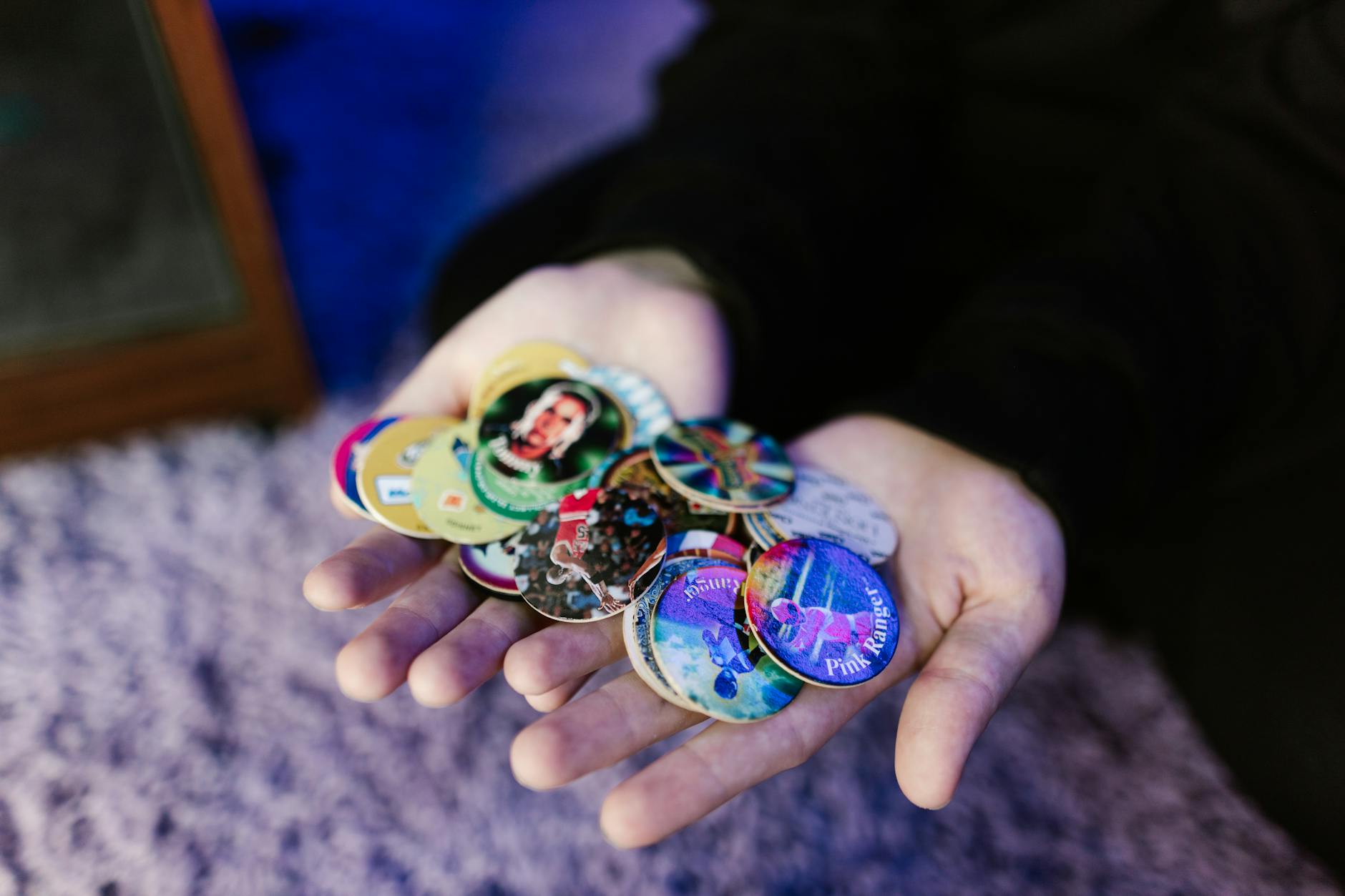
Why Graded Vintage Cards Appreciate Differently Than Raw Cards
The introduction of third-party grading services like PSA transformed the vintage market by creating authentication and a standardized condition scale. Graded cards, especially high-grade vintage examples, began appreciating faster than raw cards because they offered collectors peace of mind and marketability. A raw first-edition Blastoise that you’re confident is mint condition might appreciate 12% annually, but getting it professionally graded and slabbed to PSA 9 or higher can multiply its value by 3-5 times immediately. However, grading introduces a new risk: historical grade inflation.
Older PSA grades (1990s-early 2000s) are now considered more strict than modern grading, which means a card slabbed as PSA 8 in 2002 might garner PSA 9 if re-graded today. This benefits long-term holders but creates timing risks for newer buyers. Additionally, grading costs have risen sharply—it now costs $50-300+ to grade a single card depending on service level and speed—which eats into returns if you grade lower-value cards. A $200 vintage common graded for $100 erases all appreciation gains from the past three years.
Sealed Products and Booster Boxes as the Ultimate Patience Test
Sealed vintage booster boxes represent the purest form of patience in Pokémon collecting because they defer every decision until opening. A sealed base Set booster box from 1999 that originally retailed for $50-75 per box now trades for $10,000-25,000 depending on condition of the box itself. That’s not a 20% annual return—that’s a 25-fold return over 25 years. The limitation here is severe: sealed boxes are fragile.
A box stored in humid conditions, exposed to sunlight, or handled roughly deteriorates. The cardboard fades, corners dent, and the box’s value plummets even before you consider the packs inside. A Gem Mint sealed Base Set box commands exponentially more than a Near Mint example—sometimes 2-3x the price. A collector who found a base set booster box in their attic and left it sealed made an excellent decision, but one who stored it on a basement shelf exposed to temperature swings made a costly mistake. The unopened packs inside might still be valuable, but the sealed box premium evaporates.
Hidden Gems and Secondary Characters Worth Holding Long-Term
While everyone watches Charizard prices, secondary character and Pokémon cards often reward patient collectors even more dramatically because they start from lower baselines with less competition. A near-mint first-edition Alakazam from Base Set might be worth $2,000 today, but it started at $30-50 five years ago. An investor who recognized it as an iconic psychic-type Pokémon with artistic merit and scarcity could have bought at a discount relative to the more obvious Charizard.
Comparing across the vintage market, first-edition Moltres appreciates differently than Articuno—not because of card quality differences but because Red’s charizard cultural cachet makes fire-types more sought-after. This creates a strategy for patient collectors: identify undervalued vintage cards that have legitimate scarcity and character significance, then hold for a decade. The downside is they remain illiquid compared to major chase cards, and you need confidence that your “hidden gem” won’t remain hidden forever.
Condition Degradation and the Storage Trap
A common mistake patient collectors make is assuming that time preserves value, when in fact time degrades vintage cards unless they’re stored meticulously. A first-edition Base Set card stored in a top-loader in a cool, dark, dry place might maintain or improve its grade over ten years. The same card in a cardboard box in a garage loses a full grade level—meaning a PSA 8 becomes a PSA 7—which can cut its value by 30-50%. Temperature fluctuations, humidity spikes, light exposure, and even the acid in cheap storage materials can degrade cards. UV light fades borders and holofoil.
High humidity warps cardboard and promotes mold. Low humidity can make cardstock brittle. A patient collector must factor in storage costs: proper supplies, climate-controlled storage, or even bank safety deposit boxes for ultra-high-value cards. A $10,000 Charizard stored properly might appreciate to $20,000 over ten years. The same card stored carelessly might drop to $5,000 and require restoration work that actually reduces its value further.

Tournament-Played Cards and Personal Collections
Not all patience comes from pristine condition. Some of the most undervalued vintage cards are tournament-played first-editions—cards that were actually used in competitive play in the late 1990s and show wear. These cards were once dismissed by collectors, but they’ve begun appreciating as they’ve become rarer than ever.
A tournament-played first-edition Gyarados with creases and light wear might have traded for $50 five years ago; today it might be $400 because fewer of these cards survived versus high-grade versions. The specific example: Japanese tournament stamps, banned in international play, actually add scarcity value to older cards. A collector who spotted a stamped vintage card years ago and held it benefited from market recognition shifting toward rarity over condition. These cards reward patience differently—not by holding a mint gem, but by understanding that wear tells a story of actual use, which certain collectors now value.
The Future of Vintage Pokémon Card Appreciation
The long-term outlook for vintage Pokémon cards depends on sustained collector demand and the natural scarcity that time creates. As original Base Set cards age and supply genuinely shrinks—cards damaged, lost, or destroyed in storage—remaining high-grade examples should appreciate further. First-edition cards from 1999-2001 will never be reprinted, which creates a hard ceiling on supply.
However, the market will likely bifurcate: true investment-grade cards (PSA 9-10 first-editions and sealed products) may continue appreciating 15-25% annually, while mid-grade cards plateau as newer sealed products compete for collector investment. The patient collector who picks the right cards today will benefit from both supply scarcity and inflation over the next decade. The impatient seller who opens sealed boxes or damages cards during storage will miss that upside entirely.
Conclusion
The vintage Pokémon cards that reward patience most are those where scarcity is genuine and condition is carefully maintained: first-edition Base Set holos, shadowless cards in gem mint condition, and sealed booster boxes stored properly. Patience in this market is measured in decades, not months or years. A collector who bought a first-edition Charizard in 2010 for $1,500 and held it in perfect condition has watched it appreciate to $10,000+ by 2026.
The same card opened as a pack-fresh pull has been worth thousands less if its condition slipped even slightly. Starting your patience strategy means identifying undervalued vintage cards with genuine scarcity, investing in proper storage, and committing to a holding period of at least seven to ten years. The patience requirement is real—you will watch other investments trend upward while your sealed booster boxes sit in climate-controlled storage, invisible and apparently inactive. But when you eventually sell, the compound growth becomes visible, and the wait becomes justified.
Frequently Asked Questions
Should I grade my vintage cards, or keep them raw?
Grading significantly increases liquidity and can multiply value by 3-5x for high-grade cards, but grading costs ($50-300+) eat into returns for lower-value cards. Only grade vintage cards worth $500+. For personal collections, raw cards are fine if you plan to hold 10+ years.
What’s the difference between first-edition and unlimited in terms of appreciation?
First-edition Base Set cards have appreciated 15-25% annually on average, while unlimited printings appreciate 6-12% annually. The scarcity premium on first-editions is persistent and likely to remain so.
Can I open a sealed vintage booster box if I need the money, or will it destroy the value?
Opening destroys the sealed box premium entirely (75-90% of value), but the packs inside still contain valuable cards. Only open if you’re certain the individual cards inside justify the loss, which is rarely the case. Sealed boxes appreciate faster than the cards within them.
How should I store vintage cards for long-term appreciation?
Use top-loaders, sleeves, and storage boxes without acid. Keep them in climate-controlled environments (60-65°F, 40-50% humidity). For ultra-high-value cards ($5,000+), consider bank safety deposit boxes or third-party storage facilities designed for collectibles.
Are Japanese vintage Pokémon cards worth holding more than English versions?
Japanese vintage cards are rarer in high grade and appreciate faster (20-30% annually), but demand is lower, making them less liquid. Hold Japanese cards only if you’re committed to the long-term and comfortable with a smaller buyer pool.
What’s the biggest mistake patient collectors make?
Storing cards improperly and losing one or two grade points over time. A PSA 8 that drops to PSA 7 due to humidity or light exposure loses 30-50% of its value, erasing years of appreciation. Perfect storage is non-negotiable for patience to pay off.
You Might Also Like
- How to Spot Serious Vintage Potential in Simple Cards
- Why Some Rare Pokémon Cards Need Patience, Not Hype
- Why Some Pokémon Cards Are Better Than Their Reputation