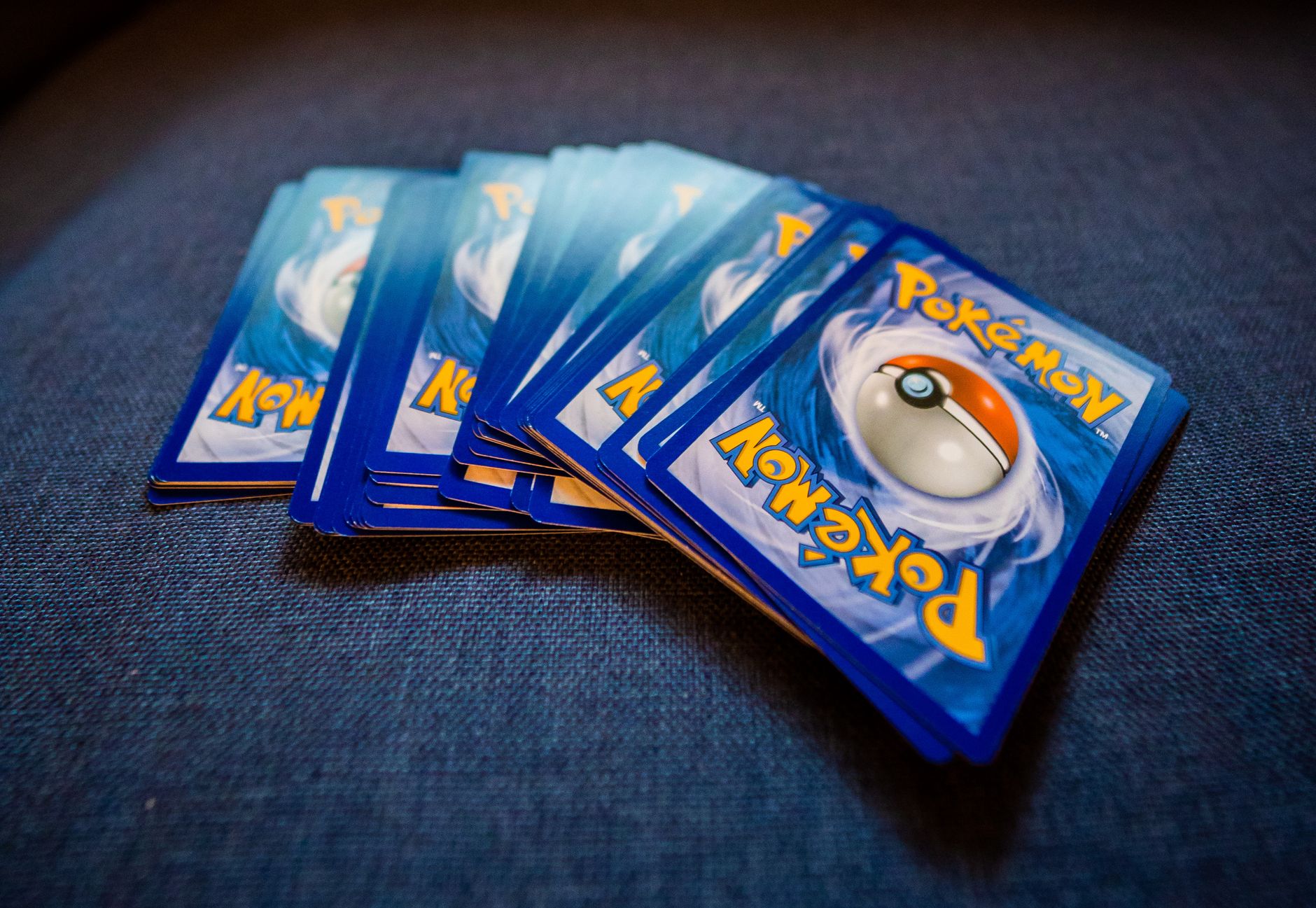
Keep most Pokemon cards in a cool, dry living space, not in an attic. Use a vault only for a small number of valuable cards that need theft and fire protection. A vault here means a home safe or a bank-style safe-deposit box, while an attic means an unfinished hot-cold space under the roof.
Attics swing between heat, cold, and damp air through the year. Those swings bend cardboard, fade ink, and feed mold inside sleeves and boxes. Your everyday binder stays safer in a closet you already heat and cool.
Table of Contents
- Why Do Attics Damage Cards?
- What Does a Vault Protect Against?
- How Should You Store Everyday Cards at Home?
- When Does a Vault Make Sense?
Why Do Attics Damage Cards?
Heat softens sleeves and warps cardboard. Cards stored flat can develop a curl or a bow that never fully flattens. Ink and foil also fade faster in hot, bright spaces. Damp air causes equal harm.
It makes cards stick together, spot, or grow mold inside closed boxes. Attics also invite leaks, pests, and dust that reach tubs and cardboard boxes first. Cold snaps add stress when warm air returns. Expansion and contraction loosen seals and weaken adhesive on labels and holders. A bedroom closet avoids most of these swings without extra equipment.
What Does a Vault Protect Against?
A vault protects against theft, fire, and casual handling. A locked safe slows a burglar and keeps curious hands away from fragile cards. A fire-rated safe or vault room can also buy time during a house fire. A vault does not fix poor card preparation.
Cards placed loose, damp, or in cheap rubber bands still suffer inside a safe. Some safes also trap moisture, so use silica packets and check contents through the seasons. Access is another limit. A safe-deposit box keeps cards away from home risks but makes casual viewing harder. Choose a vault for protection from people and disaster, not for daily storage convenience.
How Should You Store Everyday Cards at Home?
Keep the main collection where temperature and humidity stay fairly steady. An interior closet, office shelf, or cabinet usually works well. Keep cards off the floor and away from exterior walls and pipes.
Use simple protective supplies and upright storage: Check the collection a few times each year. Look for curling, musty smell, sticky sleeves, or color change. Move anything that shows damage to a drier spot before it spreads.
- Place each valued card in a snug penny sleeve, then into a rigid top loader or binder pocket
- Store binders upright and boxes flat without crushing them
- Keep silica packets nearby and replace them when they feel saturated
- Keep food, drink, and direct sunlight away from the storage spot
When Does a Vault Make Sense?
A vault makes sense for graded cards, which are cards sealed in hard plastic holders after authentication, and for ungraded cards you could not easily replace. If loss would hurt badly, added security is worth the trouble. A small home safe can serve this purpose for many collectors.
Keep vault contents narrow and organized. Store the holders upright without pressure, with sleeves or soft cases to prevent scratching. Keep a separate inventory with photos, set numbers, and grades for insurance and recovery. Photograph each vault card and keep the list separate from the cards.
You Might Also Like
- UK Man’s Attic Pokemon Cards Sell for $2 Million, What Collectors Should Learn
- Tokenized Pokemon Cards Outperform Bitcoin in 2026, What It Means for Investors
- How Much Is a Sealed Pokemon Booster Box Worth Over Time?