
The Aquapolis Umbreon non-holo (#41/147) commands a significant market value that reflects both its vintage status and collector demand. According to verified sold listings across major TCG marketplaces’s valuation algorithm, an ungraded version of this Wizards of the Coast card is assessed at $70.33, though the actual secondary market pricing for non-holo copies typically ranges between $160.00 and $168.44 depending on condition.
This 2003 Aquapolis set card has appreciated dramatically since its original release, with an all-time value increase of 672.0 percent, making it one of the more valuable non-holographic cards from the ecard era. The pricing variance between verified sold listings across major TCG marketplaces’s algorithmic valuation and real-world market prices reflects a critical distinction that collectors need to understand: automated pricing systems often undervalue vintage cards, while graded and lightly played copies command premiums in the actual market. An ungraded copy in heavily played condition might sell for around $159.85, but the moment you step into near-mint territory with professional grading, values escalate rapidly to $190 (PSA 8), $247.27 (PSA 7), and up to $475–$499.99 for PSA 9 copies.
Table of Contents
- What Is the Actual Market Price for an Aquapolis Umbreon Non-Holo Card?
- How Condition Grading Impacts Umbreon Non-Holo Pricing
- Historical Context and Why the Aquapolis Set Matters
- Buying vs. Selling: Understanding Market Dynamics
- Grading Risk and the “Grade Creep” Problem
- Alternative Umbreon Cards and Comparative Pricing
- Market Stability and Future Outlook
- Conclusion
What Is the Actual Market Price for an Aquapolis Umbreon Non-Holo Card?
The distinction between price Charting’s $70.33 valuation and the $160–$168 range you’ll encounter on TCGPlayer and other secondary markets deserves explanation. verified sold listings across major TCG marketplaces aggregates sales data algorithmically, but the Aquapolis Umbreon non-holo is a vintage card with relatively limited transaction volume, which means the algorithm may not fully account for collector demand or the rarity premium that accumulates over two decades. In practice, buyers on the secondary market consistently pay more because they recognize the card’s scarcity and its significance within the ecard2 series.
A concrete example illustrates this gap: if you list an ungraded, lightly played Aquapolis Umbreon non-holo on TCGPlayer at $165, it will likely sell within days. The same card listed at $70 would sell almost instantly but would represent leaving significant money on the table. Most active sellers price these cards between $160 and $168, and that consistency across multiple platforms suggests those are the true floor prices for non-graded copies in acceptable condition. The verified sold listings across major TCG marketplaces figure serves as a starting reference point, but savvy collectors know to cross-reference with current active listings before buying or selling.

How Condition Grading Impacts Umbreon Non-Holo Pricing
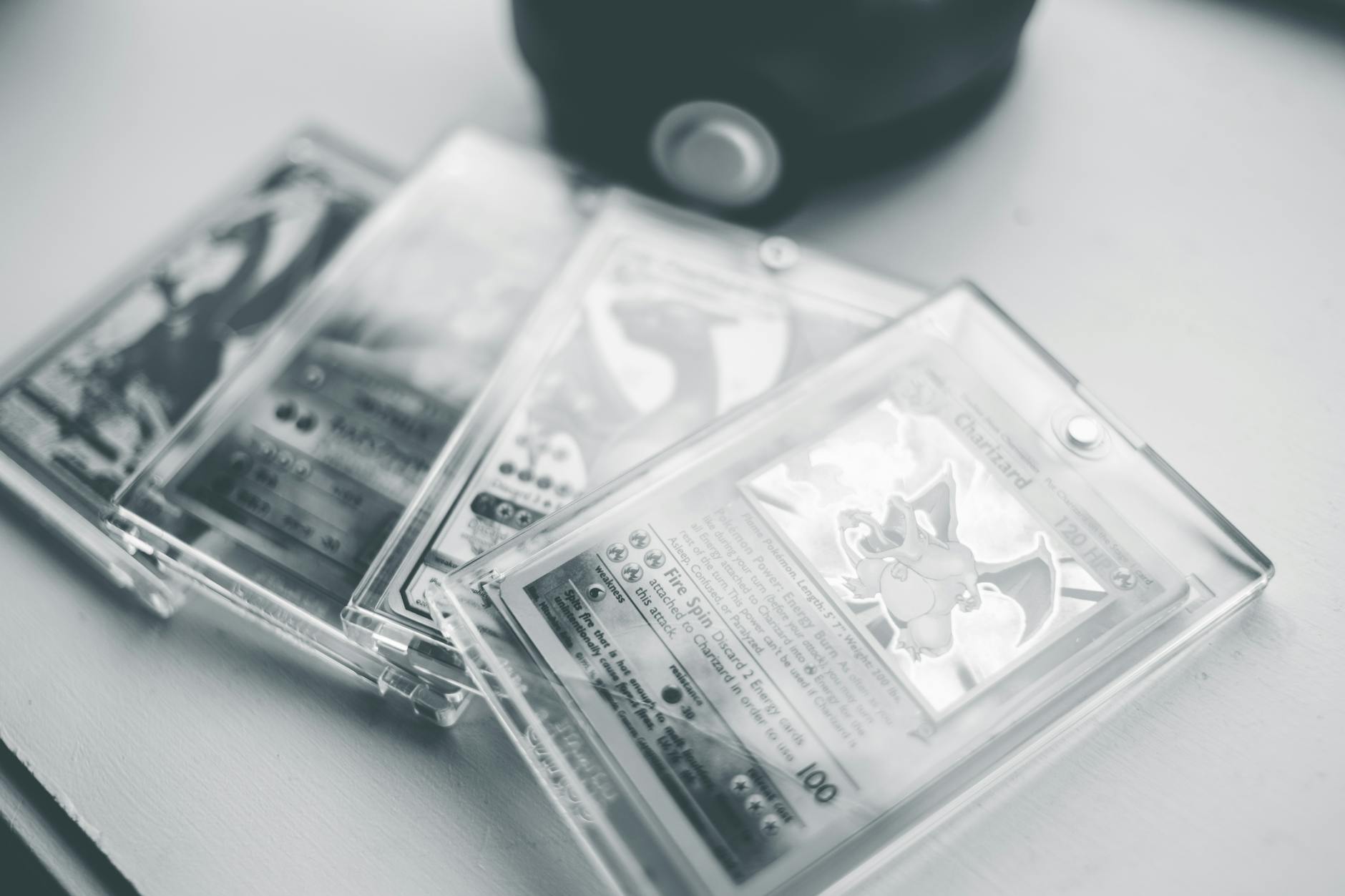
Professional grading by services like PSA dramatically reshapes what you can expect to receive for an Aquapolis Umbreon non-holo. The difference between a PSA 6 (excellent-mint) at $200 and a PSA 9 (mint condition) at $475–$499.99 represents a 138 percent premium for cards that are visually similar to most collectors. However, this is where careful examination becomes essential: the cost of grading itself—typically $20 to $50 depending on the service and turnaround time—eats into your profits unless the card legitimately grades at PSA 8 or higher.
The real limitation here is that many ungraded Aquapolis Umbreons exist in condition that falls between lightly played and near-mint, which is precisely the range where grading doesn’t add value proportional to its cost. A card that would fetch $165 ungraded might grade as PSA 7 and sell for $247.27—a $82 gross gain that evaporates once you subtract grading fees, seller commissions on the platform, and the time required to move the card. PSA 8 cards at $190 actually show a smaller markup relative to ungraded pricing, which suggests the market doesn’t view the grading service as adding corresponding value at that tier. The sweet spot for grading this particular card appears to be PSA 9, where the $320+ premium justifies the grading investment.
Historical Context and Why the Aquapolis Set Matters
The Aquapolis Umbreon’s 672 percent value increase from original release is not arbitrary—it reflects the card’s position within a finite, highly collected vintage set. Aquapolis was released in 2003 by Wizards of the Coast during the e-card era, a period when Pokemon TCG production was already mature but before the modern explosion of modern reprints. Unlike contemporary cards that see constant reprinting and variant releases, vintage e-card Umbrelons from Aquapolis have no substitutes in the collector market.
The specific designation of ecard2-41 locks this card to a single, irreplaceable printing, which creates natural scarcity. Compare this to Umbreon cards from more recent sets, which might sell for $5–$15 even in pristine graded condition because supply hasn’t been constrained by two decades of circulation and collector attrition. The Aquapolis non-holo has appreciated because it survived the original retail period when many cards were played and damaged, meaning lightly played or better copies genuinely are scarce. This distinction is critical when evaluating whether Aquapolis Umbreon represents a solid collector’s investment: you’re not paying for current demand alone, but for the mathematical reality that fewer high-quality copies exist now than existed in 2003.

Buying vs. Selling: Understanding Market Dynamics
If you’re considering adding an Aquapolis Umbreon non-holo to your collection, expect to pay the $160–$168 range for an ungraded, lightly played copy from reputable sellers. However, the buy price at card shops and from dealers typically runs 15–25 percent lower ($130–$140) because they need margin to resell. This spread represents the true secondary market transaction cost and is unavoidable regardless of where you sell. The decision between ungraded and graded copies hinges on your intended use: if you’re building a playable collection or want a display piece, the ungraded $165 copy serves the same visual purpose as a graded one while preserving your capital.
The practical tradeoff here is between liquidity and preservation. An ungraded Aquapolis Umbreon sells more quickly because it costs less and appeals to budget-conscious collectors, but it may deteriorate further with handling. A graded, encased PSA 7 or higher copy sells more slowly but maintains its condition and commands a documented, verifiable price that doesn’t depend on buyer perception of wear. For collectors with deep portfolios, the graded copy makes sense; for casual collectors or those supplementing small collections, the ungraded secondary-market pricing is the better entry point.
Grading Risk and the “Grade Creep” Problem
One critical warning for collectors considering grading: vintage cards are subject to grade creep, where older raw copies sometimes grade lower than their perceived condition suggests. The Aquapolis set is 23 years old, and subgrades—particularly centering and corners—accumulate invisible wear over decades of storage. A card that appears “near-mint” to the naked eye may grade PSA 7 due to minor issues invisible in casual inspection.
This discrepancy is especially problematic if you grade speculatively, hoping for PSA 8 or 9 and receiving PSA 7, because you’ve paid grading fees for a result that doesn’t add commensurate value. Another limitation is that PSA’s vintage grading standards differ from modern standards, and population reports for Aquapolis Umbreon vary depending on which subset you examine. If the PSA population report shows 800 PSA 7 copies but only 40 PSA 9 copies, the premium for PSA 9 is driven by scarcity rather than condition progression. However, if you’re holding an ungraded copy, you won’t know which tier you’ll land in until you submit and receive the grade, which is why many collectors treat grading as a final preservation step rather than a value-creation strategy.
Alternative Umbreon Cards and Comparative Pricing
The Aquapolis non-holo is not the only high-value Umbreon in the vintage market, but it represents a distinct pricing tier. The holographic version of Aquapolis Umbreon (#41/147) commands significantly higher prices (often $300–$600 ungraded depending on condition), while Umbreon from other e-card sets like expedition or Skyridge occupy overlapping but distinct price ranges. If you’re interested in vintage Umbreon cards as a collecting category, the non-holo Aquapolis represents the most affordable high-condition entry point without substantially sacrificing rarity or collector cachet.
For budget-conscious Umbreon collectors, earlier or later non-holo printings from other sets (such as Gym Heroes or Neo Revelation) may offer similar visual appeal at lower cost, but they lack the specific vintage prestige of the 2003 Aquapolis printing. This comparison illustrates a fundamental collector principle: you’re not just paying for a character or basic card attributes, but for the specific intersection of era, rarity, and demand. The $165 you pay for an Aquapolis Umbreon non-holo reflects all three variables simultaneously.
Market Stability and Future Outlook
The Aquapolis Umbreon non-holo has maintained relatively stable pricing over the past several years, suggesting the market has reached an equilibrium where casual attrition and new collector demand roughly balance. This stability is a positive indicator for collectors holding the card long-term, as it suggests prices are unlikely to crater suddenly. However, stability doesn’t imply growth; unlike some vintage Pokemon cards that have seen 1000 percent increases in recent years, the Aquapolis Umbreon’s appreciation has plateaued as the broader vintage market matured.
Looking forward, the Aquapolis non-holo will likely remain a collector’s item within the ecard set category rather than experiencing dramatic appreciation. The factors that supported the historical 672 percent increase—scarcity from limited original production, decades of attrition, and growing interest in the ecard era—have largely plateaued. New collectors entering the hobby still seek vintage cards, but price sensitivity has increased, which may pressure the $160–$168 range slightly downward if supply from casual seller collections increases. The card retains long-term value due to its finite supply and the evergreen appeal of Umbreon, but prospective buyers should view it as a stable collector’s piece rather than an investment vehicle expecting rapid appreciation.
Conclusion
The Aquapolis Umbreon non-holo (#41/147) is priced between $160 and $168 for ungraded copies in lightly played condition, substantially higher than verified sold listings across major TCG marketplaces’s algorithmic valuation of $70.33. The divergence reflects the card’s genuine market rarity and the limitations of automated pricing systems for vintage cards with lower transaction volume.
Understanding the distinction between different grading tiers—from heavily played ($160) to PSA 8 ($190) to PSA 9 ($475–$499.99)—is essential for making informed buying or selling decisions. Whether you’re adding this card to a collection or considering it as a long-term holding, the fundamental value proposition remains consistent: the Aquapolis Umbreon non-holo is a stable, well-documented vintage card from a significant era of Pokemon TCG history. Current market pricing reflects genuine scarcity and sustained collector demand, making it a reliable reference point for anyone valuing their personal collection or researching Umbreon market trends.
You Might Also Like
- verified sold listings across major TCG marketplaces for Aquapolis Umbreon Holo
- verified sold listings across major TCG marketplaces for Aquapolis Typhlosion Non-Holo
- verified sold listings across major TCG marketplaces for Aquapolis Sunflora Non-Holo
Frequently Asked Questions
How much is a PSA 10 Aquapolis Umbreon Non-Holo worth?
Aquapolis Umbreon Non-Holo PSA 10 value is tracked from verified sold listings across eBay, TCGplayer, Goldin, and Fanatics Collect. Recent sales determine the current market price, which shifts month to month based on supply, condition, and demand.
Is Aquapolis Umbreon Non-Holo a good investment?
Long-term trend data for Aquapolis Umbreon Non-Holo is on this page. Vintage Pokemon cards in PSA 10 condition have historically appreciated, but performance varies by set, popularity, and grading population. Compare the monthly trend on this chart to similar cards before deciding.
Where can I see Aquapolis Umbreon Non-Holo sold listings?
We aggregate verified sales from eBay, TCGplayer, Goldin Auctions, and Fanatics Collect. The recent-sales section on this page shows individual transactions with date and price.