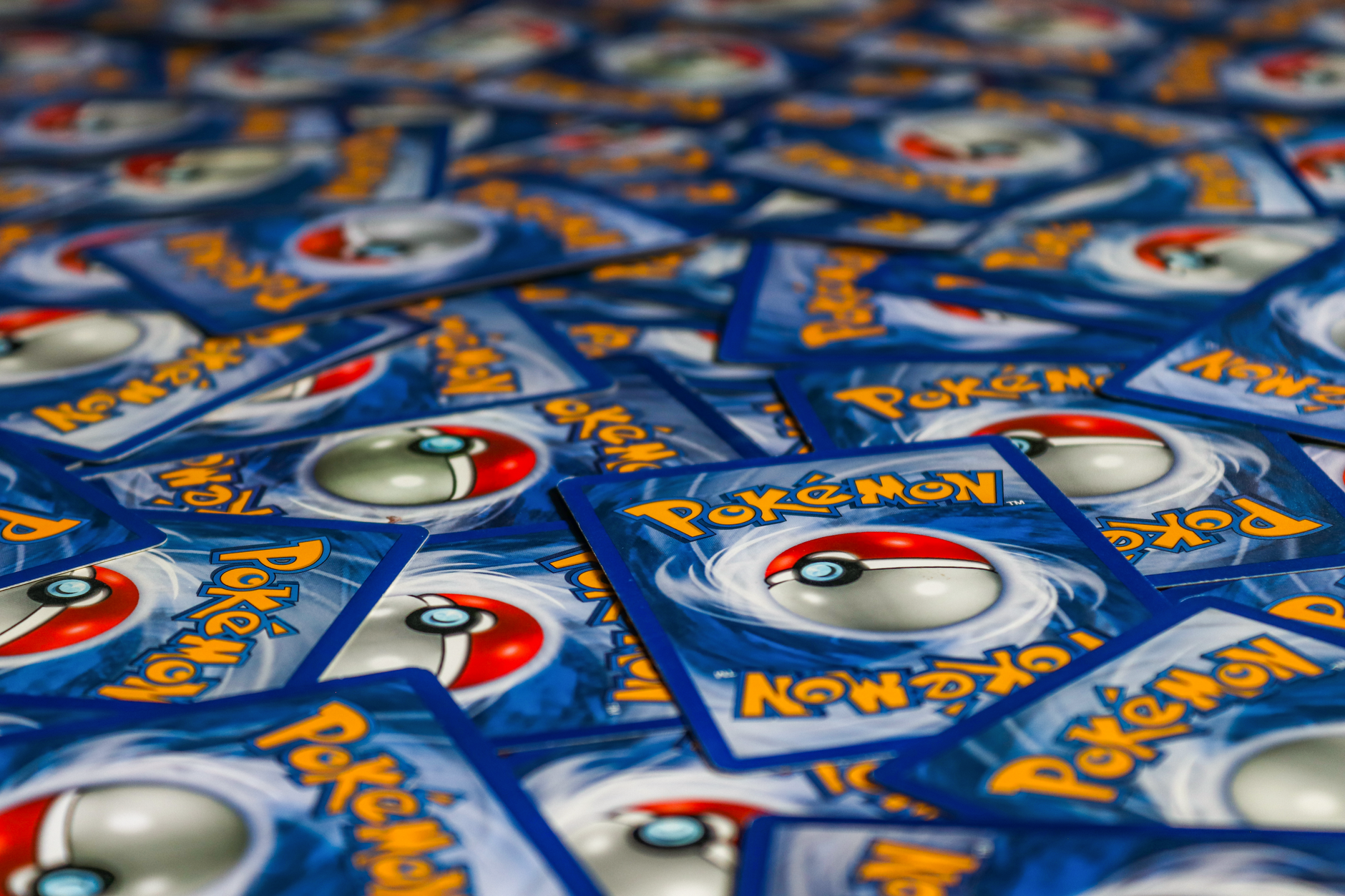
Pokémon tins with the same exterior can contain different booster packs because manufacturers may reuse the packaging across releases, regions, and production runs. Buyers ask about the contents because the included sets can change a tin's opening value, collecting appeal, and resale price. Artwork alone rarely identifies the packs with certainty. A seller may know the exact contents only if the tin comes from a documented case or has already been opened.
Table of Contents
- Why Identical Tins Can Hold Different Packs
- Why the Pack Selection Affects Value
- What the Exterior Can—and Cannot—Reveal
- How to Buy With Less Uncertainty
- Sealed Condition and Tampering Risks
Why Identical Tins Can Hold Different Packs
A tin's metal shell is packaging, not a permanent guarantee of one pack assortment. The same character artwork and shape may remain in circulation while the available booster sets change. Later production runs can substitute newer packs after earlier sets leave distribution.
Regional supply and packaging arrangements can also produce different assortments under a nearly identical exterior. This matters most with products sold long after their first appearance. Two sealed tins displayed side by side may look interchangeable but come from separate waves.
Why the Pack Selection Affects Value
Collectors value booster packs according to the set, scarcity, condition, and demand for possible cards. A tin containing desirable or older packs may therefore sell for more than an identical-looking tin filled with widely available sets. Pack selection also affects the decision to open or keep the tin sealed.
A buyer seeking cards from one expansion needs more certainty than someone who simply wants several packs to open. The tin's other contents may matter less, but they still belong in the comparison. Promo cards, code cards, stickers, or other accessories can differ between product formats and releases.
What the Exterior Can—and Cannot—Reveal
Labels, barcodes, product codes, copyright text, and shrink-wrap style can help distinguish versions. They work best when compared with a documented example from the same region and distribution case. These details are clues rather than universal guarantees.
Manufacturers can retain the same code or packaging elements while changing the booster assortment, and online listings sometimes combine photos from multiple waves. Be cautious when a seller promises specific packs based only on the front artwork. A confident claim should have supporting evidence tied to that particular tin or its original case.
How to Buy With Less Uncertainty
Start by deciding whether the exact packs are essential. If they are, treat an unspecified sealed tin as a variable product rather than assuming it contains the assortment shown in an opening video.
Before buying: If the seller cannot support a specific assortment, price the purchase according to the least desirable plausible contents. That prevents an optimistic pack prediction from becoming the basis of the entire purchase.
- Ask for photos of every side, including the barcode and printed product information.
- Ask where and roughly when the seller obtained the tin.
- Request case markings or distributor information when multiple tins came from one sealed case.
- Compare only with examples that match the region, code, and packaging details.
- Get the promised pack list included in the written listing or message history.
Sealed Condition and Tampering Risks
Even a correctly identified production wave does not rule out tampering. Loose wrap, mismatched seams, excess adhesive, damaged edges, or a lid that does not sit properly deserve closer inspection. Wear alone does not prove resealing, especially on older stock.
The safer approach is to assess several details together and consider the seller's history, return terms, and photographs. Opening the tin is the only direct way to confirm its packs, but doing so ends its sealed status. Buyers who need certainty without opening should choose a listing that guarantees the contents and provides a remedy if the assortment differs.
You Might Also Like
- Pokemon Loose Packs From a Collection Box: Which Packaging Clues Get Lost?
- Pokemon Sealed Cases: What a Case Premium Is Paying For
- Pokemon Repacked Mystery Boxes: How They Differ From Official Sealed Products