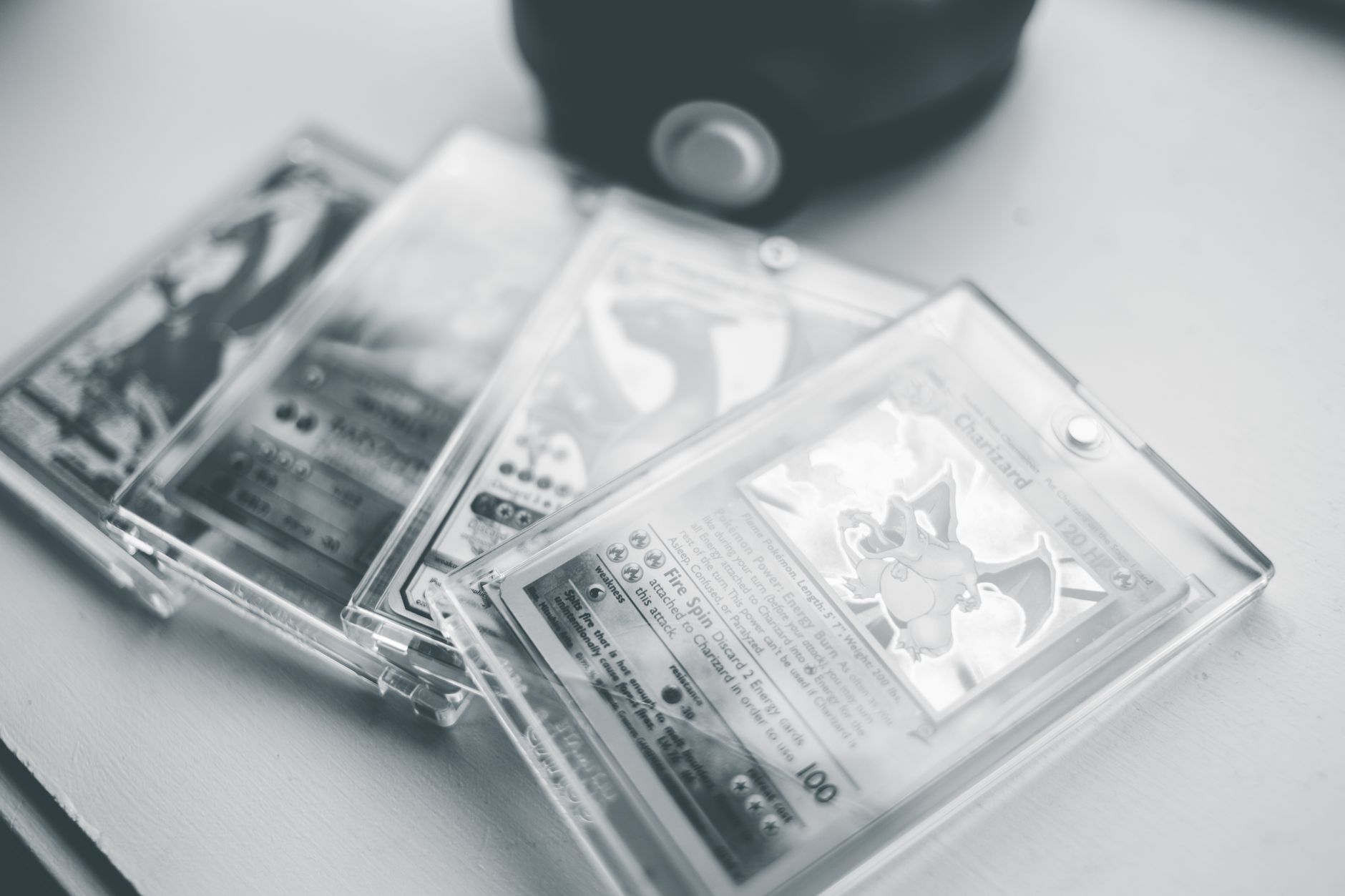
A grading shortlist is the small set of cards you actually send to a third-party grader, chosen before you look at your pull rate and after you look at the math. The short answer: submit a card only when the graded value at a realistic grade, minus grading and shipping costs, clearly beats what the raw card sells for today — which, for most shiny pulls, it does not. Grading companies charge per card and per return shipment, and those costs do not shrink because your card is pretty. The discipline is in deciding what qualifies before the pack is opened, so you are filtering against a standard rather than against the excitement of the pull.
Table of Contents
- What a grading shortlist actually is
- The math that decides it
- Grading the card yourself before you pay someone else to
- Which cards usually earn a slot
- Building and running the shortlist
- Frequently Asked Questions
What a grading shortlist actually is
A shortlist is a written rule, not a pile. It names the sets, the card types, and the minimum raw value you will consider, and everything outside it stays raw by default. The point is to make the decision once, calmly, instead of 40 times while sorting a box. Most collectors build it around three filters: the card has meaningful demand as a graded item, the raw copy is clean enough to have a real shot at a high grade, and the spread between raw price and graded price is wide enough to absorb fees.
All three have to be true. A card that fails any one of them is a keeper, a trade, or a raw sale. Treat the shortlist as a living document. Set rotations, reprints, and format changes move demand, so a rule written a year ago may be pointing you at cards the market has moved past.
The math that decides it
Work in per-card totals, not headline fees. Your cost is the grading tier, your share of shipping both ways, insurance, supplies, and — if you sell — the marketplace fee on the graded sale. A submission that looks cheap at the tier price often is not once the return shipment is divided across a small batch. Then estimate value at the grade you will probably get, not the grade you hope for.
For most modern cards the realistic outcome is a strong-but-not-perfect grade, and the price gap between the top grade and the one below it can be large. Pricing a submission off the top grade is the single most common way collectors lose money on grading. A workable test: Cards worth very little raw almost never clear this test, because the fees are fixed while the upside is not. That is why "every shiny pull" is the wrong filter: rarity within a set is not the same as demand in the graded market.
- Raw comps: what the card sells for today, ungraded, in your condition
- Graded comps at the likely grade, not the best grade
- All-in cost per card, including return shipping divided by batch size
- The remaining margin — if it is thin, the card is not a submission
Grading the card yourself before you pay someone else to
Before a card reaches a shortlist, inspect it under good light with a loupe or a phone macro lens. The four things graders weigh are centering, corners, edges, and surface, and modern holo and full-art cards fail on surface and edges more often than collectors expect. Check centering on both sides. Back centering is frequently worse than front centering on modern print runs, and a card that looks perfect face-up can be capped by its reverse.
Tilt the card against a light source to catch scratches in the foil, print lines, and the faint dimpling that shows up on textured cards. Edge whitening on a dark border is the other common disqualifier. Look at all four edges against a white background; if you can see nicks without magnification, a top grade is unlikely. Never try to clean or reshape a card — surface alteration is detectable and can get a submission rejected or flagged rather than graded.
Which cards usually earn a slot
In broad terms, the cards that reward grading are the ones where the graded population is already established and buyers search for them by grade. Vintage cards in genuinely good condition qualify most reliably, because the supply of clean copies is fixed and shrinking. Sealed-era chase cards from heavily opened modern sets usually do not, because thousands of near-identical copies get graded every month.
A few patterns worth knowing: Also weigh turnaround. Money sent to a grader is money you cannot use while the submission is out, and the card's market can move against you during the wait. That risk is highest on cards riding a recent spike.
- Older cards from the game's early English and Japanese sets tend to have a wide raw-to-graded spread, even at mid grades
- Modern secret rares and alternate arts often have a spread only at the very top grade, which makes them a gamble rather than an investment
- Cards with print-run quirks, error variants, or tournament provenance can carry demand that pricing guides miss
- Anything you plan to keep forever and never sell can still be worth grading for protection and display — just call that what it is, a spending decision, not a return
Building and running the shortlist
Keep a single list with one row per candidate: card name, set, your condition notes, raw comp, graded comp at the likely grade, and a yes/no. Add cards to it over weeks rather than deciding on submission day, so no card gets onto the list on the strength of being pulled an hour ago. Submit in batches, because shipping costs divide across the batch and the per-card overhead drops. But do not pad a batch with marginal cards just to reach a round number — a padded submission is how a profitable batch turns into a break-even one.
If your batch is short, wait. Track results afterward. Record what each card graded and what it sold for, and compare that to the estimate you made going in. After two or three submissions you will have your own grade-outcome data, which is far more useful than anyone else's average, because it reflects how you assess cards and which sets you actually open.
Frequently Asked Questions
Is it worth grading a card I never intend to sell?
Sometimes, for protection and display, but treat it as a purchase rather than an investment. The slab protects the card and settles its condition permanently; it does not owe you a return.
Should I grade a card that has an obvious flaw?
Usually not, unless the card is scarce enough that a mid grade still sells well. On common modern cards a visible flaw removes the only grade that carried a premium.
Does a bulk or economy tier change the answer?
It lowers the bar but does not remove it. Cheaper tiers often come with value caps and longer waits, so check that the card qualifies for the tier before budgeting around its price.
How many cards should be in one submission?
Enough that return shipping per card becomes small, but only cards that passed the test on their own. Waiting a month to fill a batch honestly costs less than adding four marginal cards.
You Might Also Like
- What Is New With Grading Tips Pokémon TCG in August 2026? Latest Pokemon releases and market data and Key Takeaways
- Pokemon Card Edge Whitening: How to Distinguish Wear From a White Background
- Pokemon Card Dents: Why a Tiny Impression Can Matter More Than a Scuffed Corner