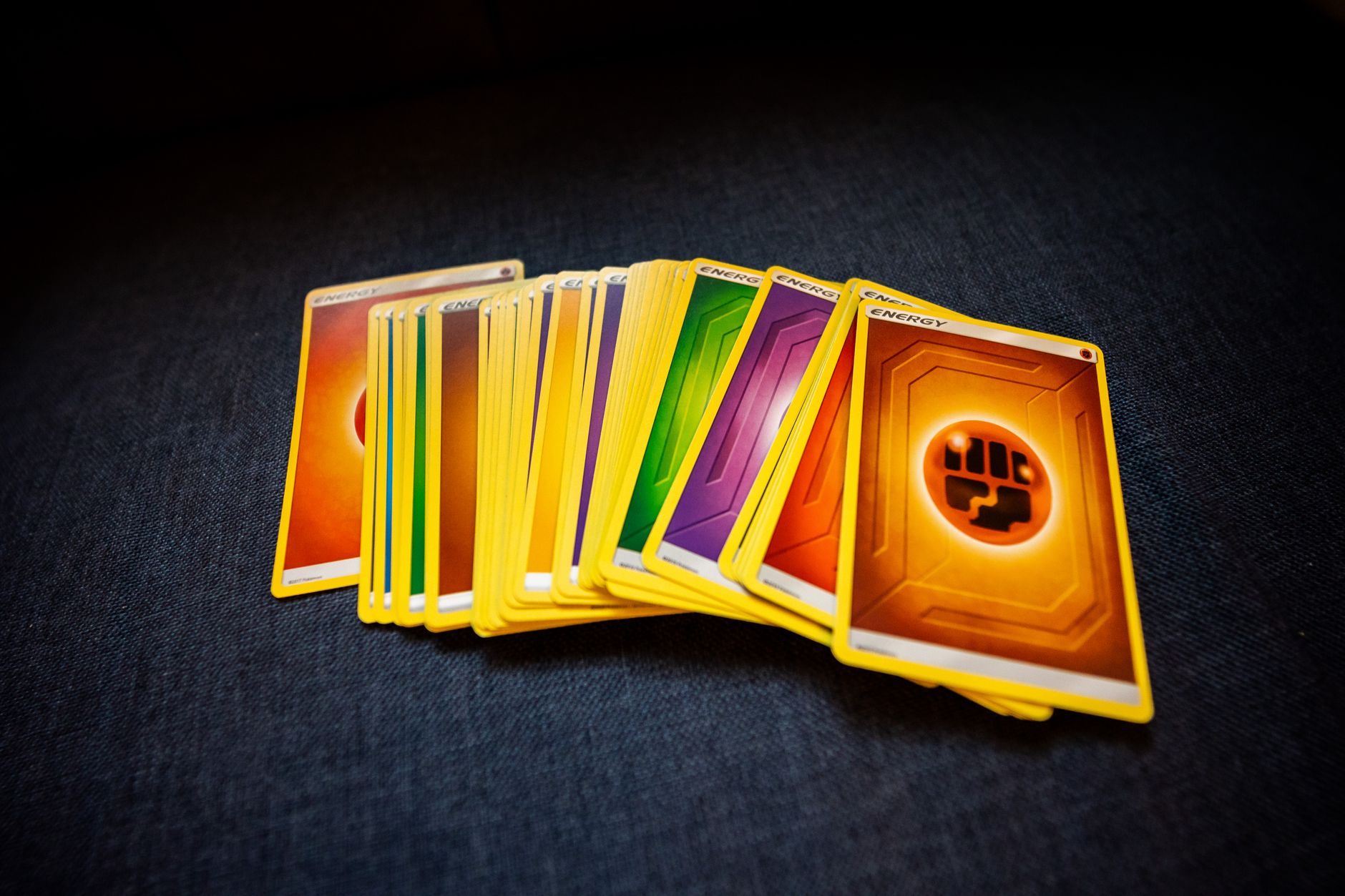
A Pokemon card break sells shares of sealed product, then the host opens it live and ships each buyer only the cards matching their slot. Pack and slot allocation decides which packs are opened for you and which cards you keep. A slot is not the same as owning sealed packs. Read the format, the sorting rule, and the shipping rule before you pay, because those three points control most of the value and risk.
Table of Contents
- How a pack break works
- What does your slot actually buy?
- How hits and bulk are divided
- How to check a break before you join
How a pack break works
A breaker lists a set amount of sealed product, divides it into buyable slots, then opens the packs on video. Viewers watch the packs being opened and see which cards go to each slot. The host then sorts, packs, and mails the cards.
Most breaks fill before any packs are opened. If a break does not fill, many hosts cancel it, move buyers to another break, or change the product mix. Ask how unfilled breaks are handled before you claim a spot.
What does your slot actually buy?
A pack slot usually gives you every card from one or more named packs. A type slot gives you every pulled card that matches one Pokemon type, such as Fire or Water. A box slot or case slot ties you to all pulls from a larger share of product.
Random assignment is common. Many hosts use a dice roll, number generator, or card draw on camera to set pack order, box order, or type assignments. The method matters because it decides whether your slot is fixed at purchase or set by chance.
- Pack slot: you keep all cards from assigned packs, hits and commons alike.
- Type slot: you keep matching cards only, even if another big card appears.
- Hit slot: you keep only rare cards, often split by order drawn.
- Box share: you keep pulls from an assigned box within a larger case.
How hits and bulk are divided
A hit means a rare or highly wanted card, such as an ultra rare, illustration rare, or secret rare. Bulk means common, uncommon, and low-value foil cards that carry little resale demand. Your format decides which group you receive. Some breaks ship everything pulled for your slot.
Others ship hits only and discard, donate, or keep bulk to save postage. Multicolor, Trainer, Special Energy, and mis-sorted cards also need a clear rule, so check which slot receives them. Duplicates and borderline cards cause disputes. Ask whether ties split by pack position, type line, or random draw. A clear written rule protects both sides when two buyers claim the same card.
How to check a break before you join
Read the full listing, not just the headline. Product amount, slot count, sorting rule, hit rule, shipping speed, and added fees should all be stated in advance. Vague wording around allocation is a warning sign.
Watch one full break before buying. Look for sealed product shown on camera, clear pack counts, readable card faces, and calm sorting. Rushed handling, hidden packs, skipped cards, or changed rules midstream are reasons to leave.
- Confirm sealed source, product quantity, and slot count.
- Confirm how packs, boxes, and types are assigned.
- Confirm who gets bulk, damaged cards, and extras.
- Confirm ship time, tracking, and who pays postage.
- Save screenshots of the listing and your slot claim.
You Might Also Like
- What Pokemon Card Buyers Should Verify About Sealed Booster Packs
- Pokemon Card Show Shopping: How to Compare Offers Without Rushing a Trade
- Pokemon Mystery Slabs: What the Advertised Floor Price Leaves Unclear