
Players in the Pokemon card collecting community have discovered that the most reliable way to complete research tasks efficiently is through pooled knowledge and systematic documentation. Rather than each collector working in isolation, experienced players are now sharing detailed checklists, spreadsheets, and step-by-step guides that break down everything from set completion to price tracking and condition assessment. For example, community members on Reddit and Discord have compiled exhaustive checklists for tracking every card variation in sets like Scarlet and Violet, allowing newer collectors to quickly identify which cards they still need rather than manually cross-referencing card numbers with their collection.
The shift toward collaborative research has fundamentally changed how collectors approach their hobby. Instead of spending hours independently researching card values, print lines, or holographic patterns, players can now leverage the collective work of thousands of other enthusiasts who have already documented these details. This community-driven approach has made it possible for someone to complete accurate research on a set in weeks rather than months, while maintaining higher accuracy since multiple people verify the information.
Table of Contents
- HOW POKEMON COLLECTORS ARE POOLING RESEARCH EFFORTS
- USING SPREADSHEETS AND TRACKING SYSTEMS FOR COMPREHENSIVE DOCUMENTATION
- LEVERAGING PHOTOGRAPHY AND VISUAL DOCUMENTATION FOR IDENTIFICATION
- ORGANIZING RESEARCH WITH COMMUNITY SPREADSHEETS AND SHARED DATABASES
- AVOIDING MISINFORMATION AND VERIFICATION CHALLENGES
- USING AUTOMATION AND TOOLS TO STREAMLINE RESEARCH WORKFLOWS
- THE FUTURE OF COLLABORATIVE POKEMON CARD RESEARCH
- Conclusion
HOW POKEMON COLLECTORS ARE POOLING RESEARCH EFFORTS
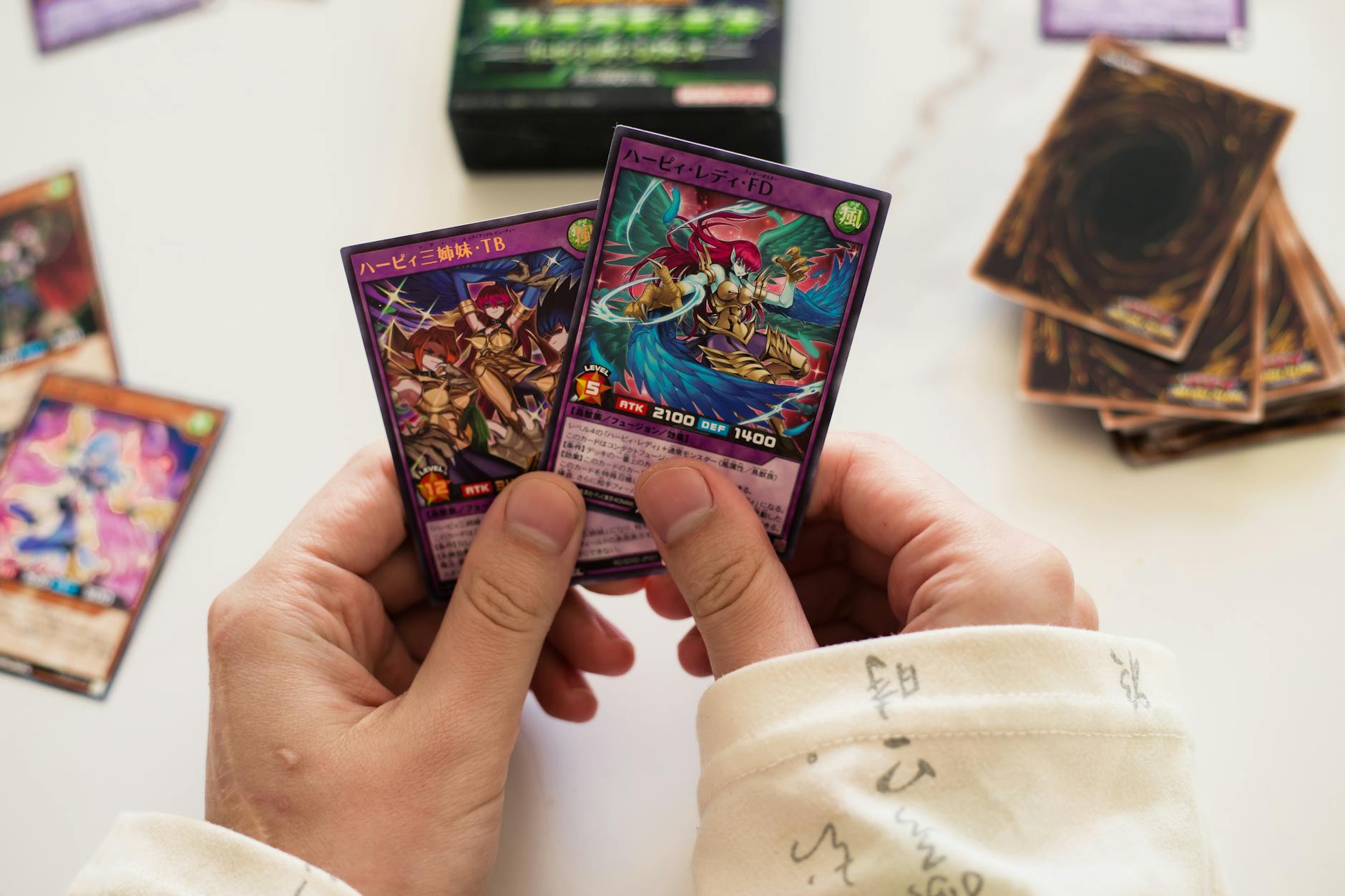
The foundation of efficient card research is access to shared databases and organized information systems that players have built together. Community sites like Bulbapedia, TCGPlayer, and CardMarket maintain constantly updated databases of card specifications, including print dates, rarity symbols, and known variations. Players contribute to these resources by uploading high-resolution photos of their cards, documenting printing differences, and noting which variants are rarer or more valuable than others. One practical example is how the Pokemon community approached researching the Charizard variants across different sets.
Instead of individual collectors having to identify which printing, holographic pattern, and language version they owned, enthusiasts compiled visual guides showing side-by-side comparisons of legitimate cards versus counterfeits, along with pricing data for each variant. This centralized resource saved countless hours of work for collectors trying to accurately assess and value their collections. The collaborative nature of this research has also created accountability. When someone shares incorrect information, other knowledgeable players quickly correct it, ensuring that the collective database stays accurate. This peer-review system is more effective than any single expert’s work because it incorporates perspectives from players who specialize in different eras, sets, and card types.
USING SPREADSHEETS AND TRACKING SYSTEMS FOR COMPREHENSIVE DOCUMENTATION
Many serious collectors have moved beyond casual note-taking to creating sophisticated spreadsheet systems that track not just which cards they own, but detailed specifications about each card. These spreadsheets include columns for set number, card name, condition grade, acquisition date, purchase price, current market value, and any notable variations or printing defects. By standardizing this approach, players can compare notes and quickly identify gaps in their research or their collections. However, creating and maintaining accurate tracking systems requires significant initial effort and ongoing discipline. A collector starting a comprehensive spreadsheet might spend 10-20 hours just entering their current inventory data, and then face the ongoing task of updating market prices and adding new acquisitions.
Additionally, different grading standards (PSA, Beckett, CGC) can complicate comparisons between cards, and market prices fluctuate frequently, making it difficult for spreadsheets to stay current without regular manual updates. Some collectors have found that overly detailed systems become burdensome and eventually go unmaintained. To mitigate these challenges, many players are now sharing template spreadsheets that others can download and customize for their own use. This approach reduces the setup burden while allowing each collector to maintain their unique organizational style. Community members also regularly update shared price lists, which other collectors can easily import into their personal tracking systems.
LEVERAGING PHOTOGRAPHY AND VISUAL DOCUMENTATION FOR IDENTIFICATION
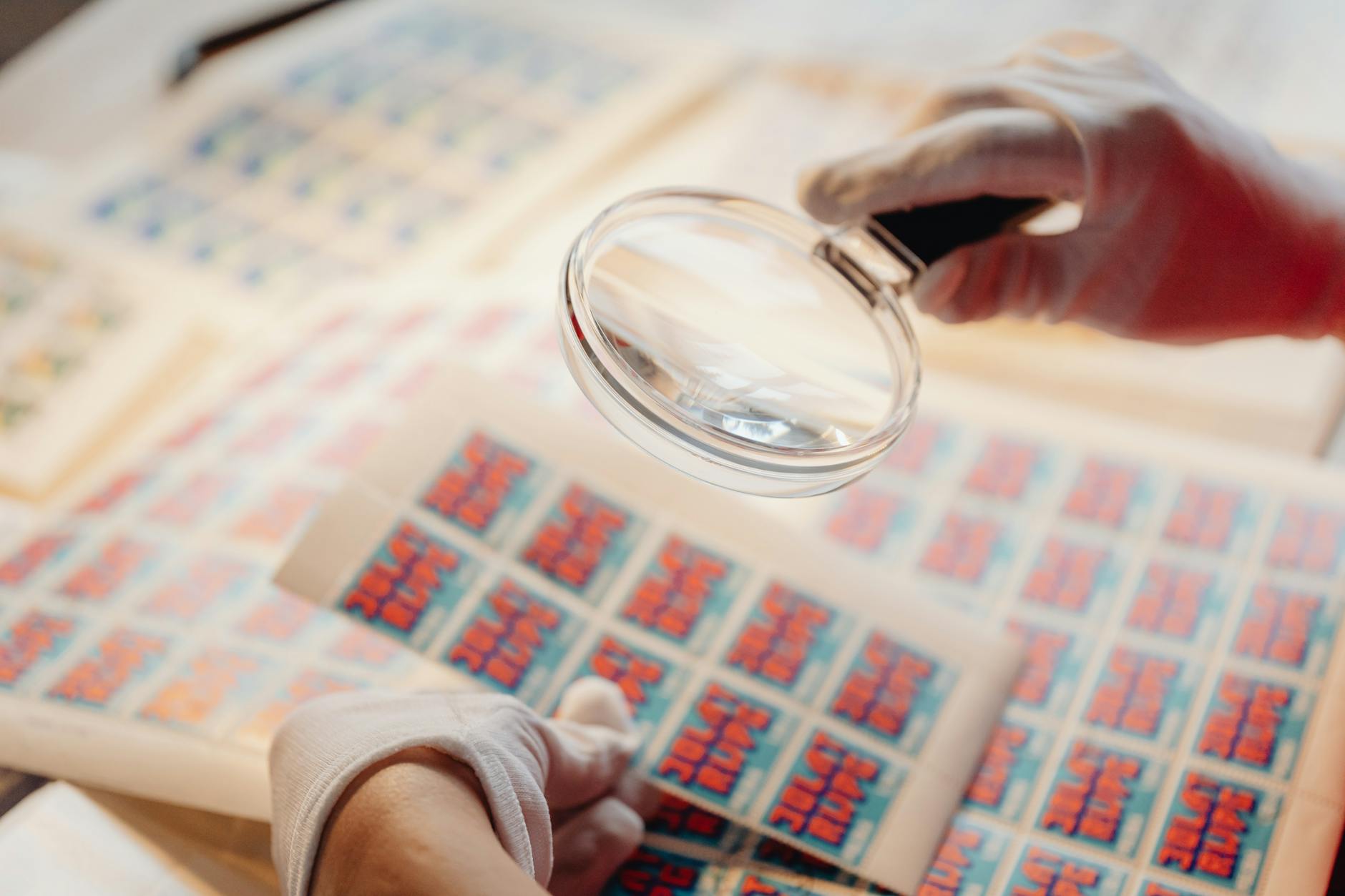
Clear photography has become an essential research tool because visual documentation allows players to compare their cards directly against reference images. High-quality photos of card details—like holographic patterns, text positioning, and corner wear—make it much easier to identify card variations and authenticate cards. Some collectors have created image libraries showing examples of legitimate cards versus known counterfeits, which newer players reference when verifying their own purchases. For instance, players researching first edition cards from the base set have compiled extensive photo galleries showing the difference between genuine 1st Edition stamps and reprints.
By photographing their own cards from the same angles and lighting conditions, newer collectors can verify their findings against these reference photos without needing expert-level knowledge. This visual approach has made authentication more accessible to casual collectors who might otherwise be unsure about their purchases. The limitation here is that photography alone cannot always reveal internal card composition, and sophisticated counterfeits sometimes pass visual inspection. Professional grading services still examine cards under magnification using specialized tools, looking for paper quality, ink consistency, and other details that photography might miss.

ORGANIZING RESEARCH WITH COMMUNITY SPREADSHEETS AND SHARED DATABASES
The most efficient collectors don’t build their research systems in isolation—they integrate publicly available data with their personal notes. Websites like Bulbapedia and deckbox.org provide baseline information on every card ever printed, and players use these as starting points before adding their own personal observations and market data. By combining official sources with community insights, collectors can complete comprehensive set research much faster than relying on any single source. A practical approach is to download a community spreadsheet for a specific set (like Sword and Shield or Scarlet and Violet), verify the information against official sources, then add personal notes about card condition, regional variations, or price trends you’ve observed.
This hybrid approach takes advantage of existing work while still allowing for personalization. The trade-off is that you’re now dependent on the accuracy of whoever created the original spreadsheet, which is why cross-referencing multiple sources remains important. Many players also use Google Sheets or Excel to create collaborative documents where multiple collectors can contribute simultaneously. This real-time collaboration means that when one person discovers a new card variation or pricing anomaly, all users of the shared sheet see the update immediately. However, collaborative spreadsheets require clear protocols about who can edit what and when, otherwise you risk data corruption or conflicting information.
AVOIDING MISINFORMATION AND VERIFICATION CHALLENGES
Even with community resources, collectors encounter outdated information, regional pricing discrepancies, and conflicting reports about card variations. A price listed on a spreadsheet from three months ago might be completely off-market by the time you reference it, leading to poor decisions about buying or selling. Additionally, some “variations” circulate on community forums despite being myths or misidentifications, and inexperienced collectors sometimes spread these false claims without verifying them. The most common pitfall is treating shared information as gospel without cross-checking it against multiple sources. Just because several Reddit users agree on something doesn’t make it accurate.
Serious researchers verify key claims against official Pokemon databases, check current market prices on multiple platforms, and consult grading guides before drawing conclusions. A warning: basing purchase decisions on information from a single unverified source can lead to overpaying for common cards or missing out on actual value opportunities. To navigate these challenges effectively, develop a personal system for tracking sources and verification status. Mark information as “verified,” “unconfirmed,” or “outdated” so you know which data you can trust for important decisions. Cross-reference price data across TCGPlayer, CardMarket, and other marketplaces before concluding what a card’s true market value actually is.
USING AUTOMATION AND TOOLS TO STREAMLINE RESEARCH WORKFLOWS
Some collectors have begun using simple automation tools to reduce repetitive research tasks. Price tracking apps that monitor market values across multiple platforms can send alerts when cards you’re tracking drop in price, eliminating the need to manually check each site daily. Barcode scanners paired with spreadsheet software can speed up inventory entry by automatically pulling card information from online databases and populating relevant fields.
For example, a collector might use a barcode scanner to enter 100 cards into their inventory spreadsheet in 20 minutes, with card names and set numbers automatically populated from a database. Without this automation, manual entry would take several hours. However, automated systems are only as good as their underlying databases, and occasional errors or outdated information can introduce mistakes into your personal records.
THE FUTURE OF COLLABORATIVE POKEMON CARD RESEARCH
As the collecting community continues to mature, shared research systems are becoming more standardized and comprehensive. Some collectors are experimenting with mobile apps specifically designed for Pokemon card inventory management, which sync across devices and connect to community databases.
This trend suggests that future research workflows will integrate local personal data with real-time community information more seamlessly than current methods allow. The most significant shift is toward transparency and community accountability in the research process itself. Rather than relying on a single authority or expert opinion, the Pokemon collecting community is building systems where multiple perspectives contribute to a more complete and accurate understanding of what information is reliable and what requires further verification.
Conclusion
The most efficient approach to completing Pokemon card research tasks involves using a combination of community resources, personal documentation, and systematic verification rather than working independently. Players save time by leveraging shared spreadsheets, databases, and visual guides that others have already created, while still maintaining personal notes and cross-referencing information against multiple sources to ensure accuracy. By participating in this collaborative ecosystem—whether by using shared tools, contributing your own findings, or helping other collectors verify information—you benefit from the collective knowledge of thousands of experienced players.
If you’re beginning your own research work, start by identifying the specific set or information you need and search for existing community resources on that topic. Download a template spreadsheet, cross-check the information against official sources, then add your personal findings. Share your discoveries with the community so that others benefit from your work, and you’ll find that completing thorough, accurate research becomes much more manageable within the collaborative environment the Pokemon collecting community has built.
You Might Also Like
- New Research Tasks Are Offering Rewards Players Do Not Want To Miss
- Event Tasks Are Becoming More Strategic For Players
- Special Research Rewards Are Driving Increased Engagement