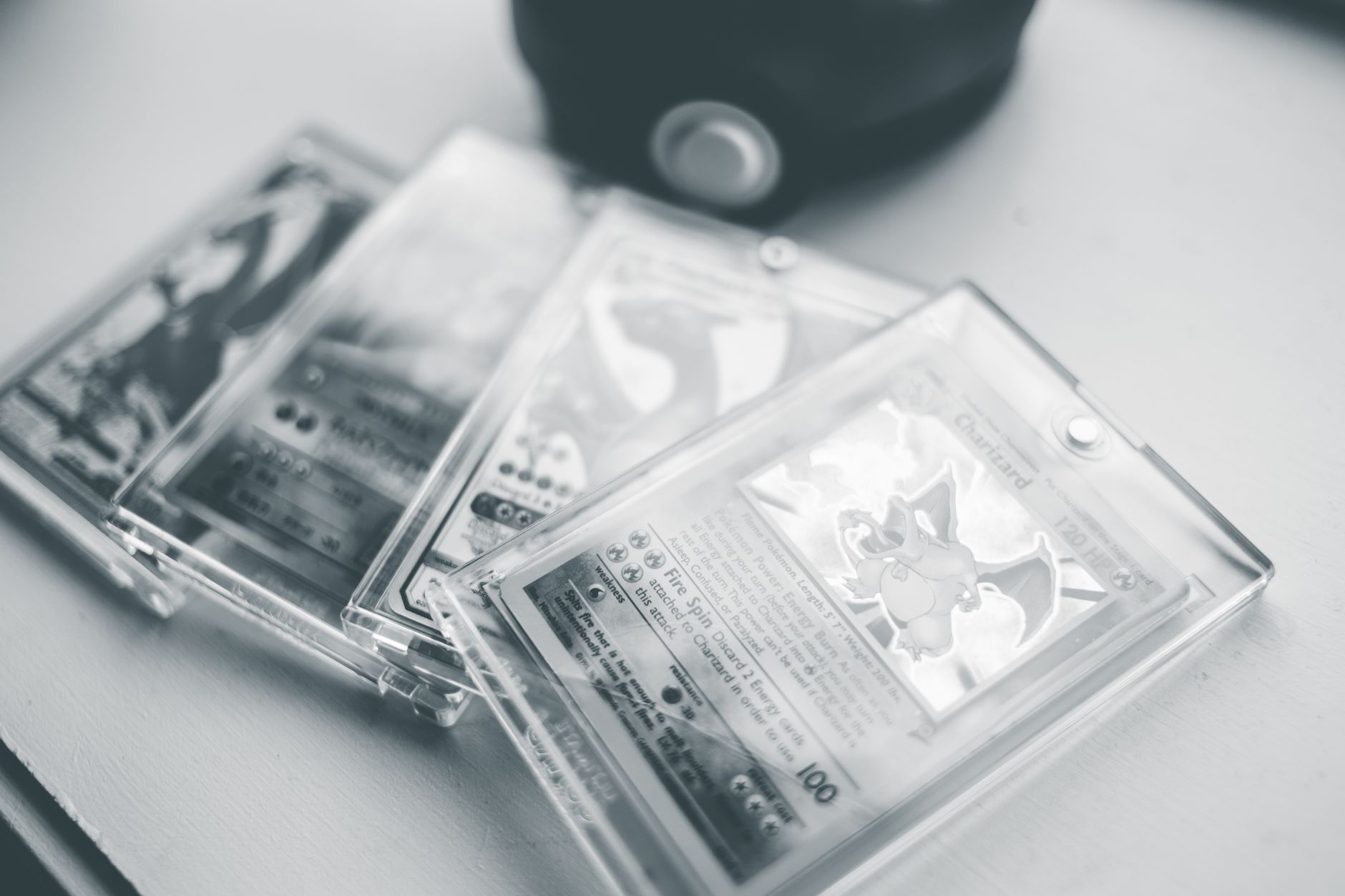
Packing videos can help document a Pokémon slab's condition and shipping preparation, but they do not prove everything that happens afterward. A packing video is an uninterrupted recording of a graded card being identified, protected, sealed, and prepared for shipment. The video can strengthen a seller's records during a dispute. Its value depends on clear details, continuous filming, and supporting evidence such as photographs, tracking, and transaction records.
Table of Contents
- What Can a Packing Video Establish?
- Where Does the Evidence Stop?
- How to Record a Stronger Packing Video
- Build a Complete Shipment Record
What Can a Packing Video Establish?
A useful video can connect a specific slab to a specific package. It may show the card, grading company, grade, certification number, case condition, protective materials, shipping label, and sealed parcel. That record matters when a buyer reports receiving the wrong card or a slab with visible damage.
The footage can show that the seller packed the listed item and reveal whether certain damage was visible before shipment. The strongest recordings capture identifying details clearly enough to pause and inspect. A distant video showing only a plastic case entering a box provides little useful evidence.
Where Does the Evidence Stop?
A packing video cannot establish an unbroken chain of custody after recording ends. It does not prove that the filmed parcel remained unchanged before carrier acceptance or that the carrier delivered the same contents intact. It also cannot automatically defeat a buyer's claim.
A marketplace, payment provider, insurer, or carrier may require other evidence and may give packing footage limited weight. The video becomes less persuasive when it contains cuts, leaves the package outside the frame, hides the label, or fails to show the certification number. Even continuous footage cannot rule out every possible substitution or staging claim.
How to Record a Stronger Packing Video
Prepare the slab, packaging, label, and camera before recording. Keep the entire work area visible, use enough light to avoid glare, and film in a resolution that preserves small printed details.
A practical sequence is: Do not rely on narration alone. The recording should visibly support statements such as "the case is not cracked" or "this is the listed certification number.".
- Show the slab's front, back, edges, label, grade, and certification number.
- Record existing scratches, cracks, chips, or label problems.
- Match the slab to the order without exposing unnecessary buyer information.
- Place it in a sleeve or team bag and add rigid protection and cushioning.
- Pack the slab, close the box, apply tamper-evident tape if used, and show the final label.
Build a Complete Shipment Record
Treat the video as one part of a broader evidence file. Save the listing, buyer messages, payment record, clear slab photographs, certification number, package weight, tracking receipt, and delivery confirmation. For expensive slabs, consider shipping options that provide tracking, suitable insurance, and signature confirmation where available.
Check the carrier's coverage terms because declared value, insurance, and collectible eligibility may not mean the same thing. Retain the original video file rather than only a compressed social-media upload. Store it under the order number and tracking number, then keep it until the dispute and claim periods for the transaction have passed.
You Might Also Like
- What Evidence Helps in a Pokemon Slab Fraud Dispute?
- Timestamp Photos for Pokemon Slab Sales: What They Prove and What They Do Not
- Pokemon Slab Label Changed Between Listing and Delivery: Evidence to Save