
Yes, new creators are actively entering the Pokémon content space, and they’re finding viable opportunities in a landscape that has grown from a small handful of amateur videos to a massive ecosystem with thousands of channels. The Pokémon YouTube scene has transformed dramatically over the past decade, evolving from simple “Let’s Play” videos and top 10 lists into a diverse content landscape where new creators can carve out genuine audiences and meaningful revenue. AbsolBlogsPokemon, for example, has built a following of 179,000 subscribers by documenting gameplay across multiple devices and posting trading card unboxing videos—a creator who likely didn’t exist in the Pokémon content space five years ago.
The infrastructure and audience appetite now exist for newcomers to succeed where they might have struggled in earlier years. Audiences are more fragmented, more specialized, and more willing to support creators tackling specific niches rather than hunting for the biggest channels. This shift has lowered barriers to entry and created multiple pathways to building a sustainable Pokémon content channel.
Table of Contents
- How Has the Pokémon YouTube Landscape Evolved?
- The Professionalization of Pokémon Content Creation
- Rising Stars: Emerging Creators Building Communities
- Monetization Opportunities for New Pokémon Creators
- Challenges New Creators Face in the Current Environment
- Trading Cards and Content: An Emerging Intersection
- Official Recognition and Future Growth
- Conclusion
- Frequently Asked Questions
How Has the Pokémon YouTube Landscape Evolved?
The pokémon YouTube environment has undergone three distinct generational shifts, each marked by changes in popular formats, audience expectations, and production quality. Early Pokémon YouTube content was characterized by simple, spontaneous uploads—casual gameplay footage, unedited playthroughs, and basic top 10 lists. Creators could launch channels with minimal equipment and no production experience. This worked because the audience was smaller and less demanding, and competition was thin.
The current era, spanning from 2019 to present, represents “Gen III” of Pokémon YouTube content. This generation emphasizes longer, more polished videos—some exceeding one hour in length—with higher production values, better editing, and more strategic narrative structure. Creators like SmallAnt have found substantial success with marathon challenge runs that require careful planning, sophisticated editing, and audience engagement skills far beyond what early creators needed. This professionalization of the space has actually created opportunity for new entrants willing to match current production standards, even though the bar is higher than it used to be.

The Professionalization of Pokémon Content Creation
As Pokémon content has matured, creators must now compete on production quality, originality of concept, and sustained engagement—not just novelty. This is a limitation new creators face: you cannot simply upload raw gameplay and expect an audience. However, this professionalization also means established formats and audience expectations are clearer. New creators know what works because they can study successful channels and understand why viewers subscribe.
The shift toward longer-form content and themed challenges has created a gatekeeping effect for creators without production skills or significant time investment. A new creator attempting to launch with unedited 20-minute gameplay videos will struggle to gain traction against polished competitors. The counterpoint is that creators willing to invest in quality—through learning video editing, understanding YouTube algorithms, and developing a unique angle—now have clearer pathways to building audiences. The rules of the game are more demanding, but the game itself is more transparent.
Rising Stars: Emerging Creators Building Communities
AbsolBlogsPokemon exemplifies the type of creator now finding success in the Pokémon space. With 179,000 subscribers, this creator has built an audience by focusing on specific content hooks: documenting Pokémon gameplay across multiple devices including older Wiis and desktop computers, and regularly posting unboxing videos of trading card sets. This creator doesn’t compete on pure gameplay skill or challenge runs; instead, they’ve identified an underserved niche—collectors and nostalgia-focused viewers interested in legacy hardware and tangible card products.
This example reveals how new creators are succeeding: by identifying gaps in existing content and serving audiences that existing creators have overlooked. AbsolBlogsPokemon’s combination of digital gameplay documentation and physical trading card content bridges two communities—gamers and collectors—that don’t always receive focused attention from single creators. The strategy works because it fills a real void rather than attempting to out-produce established competitors.

Monetization Opportunities for New Pokémon Creators
The competitive Pokémon niche represents the most significant monetization opportunity for new entrants, despite competitive play receiving less overall coverage than casual content. YouTube creators focusing on competitive Pokémon gameplay generate 30-50% higher CPMs (cost per mille, or revenue per thousand views) than creators producing casual content. This higher monetization reflects advertiser interest in the competitive audience demographic and the specialized nature of that content.
However, this opportunity carries a tradeoff: competitive Pokémon content requires genuine knowledge of the meta-game, current tournament formats, and strategic gameplay depth. A new creator cannot fake competitive expertise; audiences will detect shallow analysis immediately. New creators interested in this niche must either have existing competitive experience or commit to deep learning before launching. The higher CPM potential compensates for the steeper knowledge barrier, making it viable for creators willing to invest in expertise development.
Challenges New Creators Face in the Current Environment
The professionalization of Pokémon content creation means new creators compete against established channels with years of audience loyalty, production experience, and algorithmic advantages. YouTube’s recommendation algorithm favors watch time and engagement, metrics that established creators accumulate faster than newcomers. A new channel producing high-quality content may struggle to gain initial traction simply because YouTube cannot surface it to viewers.
Additionally, the Pokémon content space has become increasingly fragmented into specialized niches. Attempting to create generalist Pokémon content—covering games, trading cards, competitive play, and nostalgia in equal measure—often results in an unfocused channel that fails to develop a core audience. New creators who succeed tend to be those who pick a specific lane and own it completely rather than spreading effort across multiple content types. This is a warning: broad appeal sounds smart but often underperforms against focused, specialized channels.
Trading Cards and Content: An Emerging Intersection
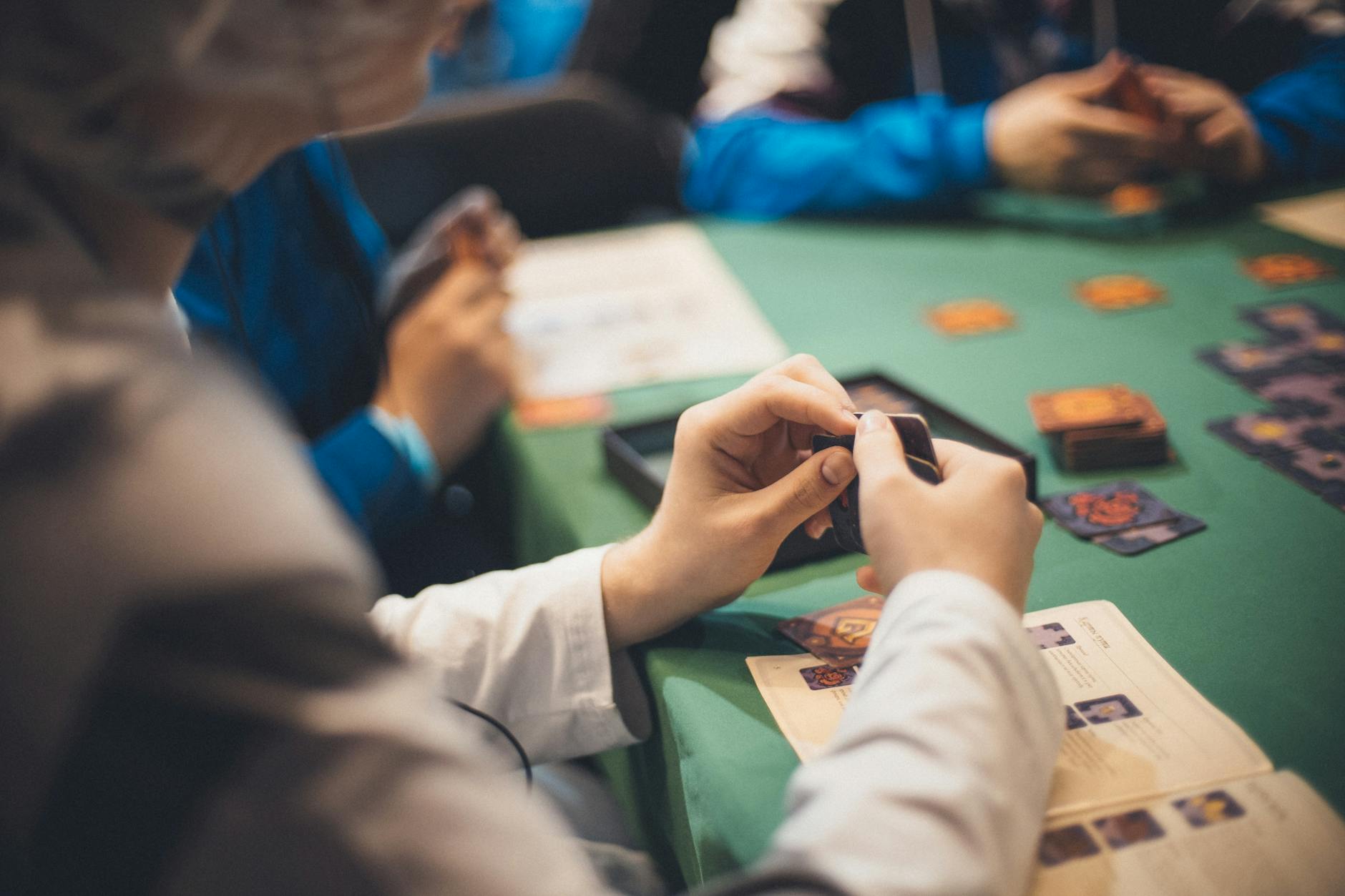
The intersection of trading card content and YouTube success has opened a specific lane for new creators. Pokémon card market dynamics, set releases, and collecting trends create consistent content opportunities for creators willing to cover the TCG space. Unboxing videos, set reviews, market analysis, and collection showcases attract an engaged audience of collectors who actively participate in the trading card economy.
AbsolBlogsPokemon’s success with card unboxing content demonstrates the viability of this angle. Card releases happen on a predictable schedule, giving creators reliable content calendars. Collectors often follow multiple creators covering the same products because different reviewers offer different perspectives on value, condition, and investment potential. This reduces the winner-take-all dynamic present in competitive gameplay content and creates room for multiple successful creators covering similar products.
Official Recognition and Future Growth
The Pokémon Company International is actively encouraging new creator participation in official events. For the 2026 Pokémon World Championships being held in San Francisco, the company is accepting creator pass applications, signaling official support for new content creators covering competitive events. This institutional backing matters because it provides legitimacy, potential promotional support, and access to exclusive content opportunities—practical advantages that benefit new creators willing to engage with official channels.
This represents a broader trend: Pokémon’s corporate structure is recognizing that diverse creator voices benefit the franchise and the community. New creators covering championship events gain exposure through official channels, which accelerates audience growth compared to creators working entirely independently. The future landscape will likely include more official creator partnerships, sponsorship opportunities, and preferential access for creators producing content aligned with Pokémon Company initiatives.
Conclusion
New creators are entering the Pokémon content space and finding success, but they’re doing so in an environment fundamentally different from five years ago. The landscape has professionalized, audiences have specialized, and production expectations have risen. These changes have eliminated some barriers (no longer need viral novelty to succeed) while raising others (must produce high-quality content).
For creators willing to invest in production quality and identify underserved niches—whether competitive gameplay, trading card documentation, or niche gaming hardware—the Pokémon space remains viable and genuinely rewarding. The key takeaway is that success now comes from focus and quality rather than novelty and volume. New creators should study what AbsolBlogsPokemon and other emerging channels are doing right: identifying specific audience segments, developing expertise in chosen niches, and producing content that serves community needs better than existing options. The Pokémon content ecosystem is large enough and diverse enough to support new voices, but only those committed to meeting current production standards and serving distinct audiences.
Frequently Asked Questions
Do new creators still have a chance to succeed in Pokémon YouTube content?
Yes, but they need focus and quality. Success comes from identifying underserved niches (like trading card unboxing or legacy hardware gameplay) rather than competing on broad appeal. Established audiences exist for specific content types, and new creators can access them by serving those audiences better than existing options.
What’s the best content niche for a new Pokémon creator to start with?
Competitive Pokémon content offers the highest monetization potential with 30-50% higher CPMs than casual content. Trading card content also works well because card releases happen on predictable schedules and collectors follow multiple creators. Choose based on your genuine expertise and passion.
How much production quality do new creators need to compete?
You need professional-grade editing, clear audio, and thoughtful narrative structure. Unedited raw gameplay rarely succeeds in the current environment. However, you don’t need expensive equipment—many successful creators use accessible tools. The investment is in learning and effort, not necessarily in budget.
Is it too late to start a Pokémon content channel in 2026?
No, but timing matters. New creators launching in 2026 are competing against established channels while facing higher production expectations. Your advantage is having a more sophisticated understanding of what works from studying existing successful channels.
What official opportunities exist for new Pokémon creators?
The Pokémon Company International is accepting creator pass applications for the 2026 Pokémon World Championships in San Francisco. Official partnerships with Pokémon events provide legitimacy and potential promotional support that can accelerate growth.
How should new creators approach monetization?
Build audience first, monetization second. Focus on growing viewers and engagement, then apply for AdSense once you meet YouTube’s requirements (1,000 subscribers, 4,000 watch hours). Specialized content like competitive gameplay commands higher CPMs once you’ve built an audience.


