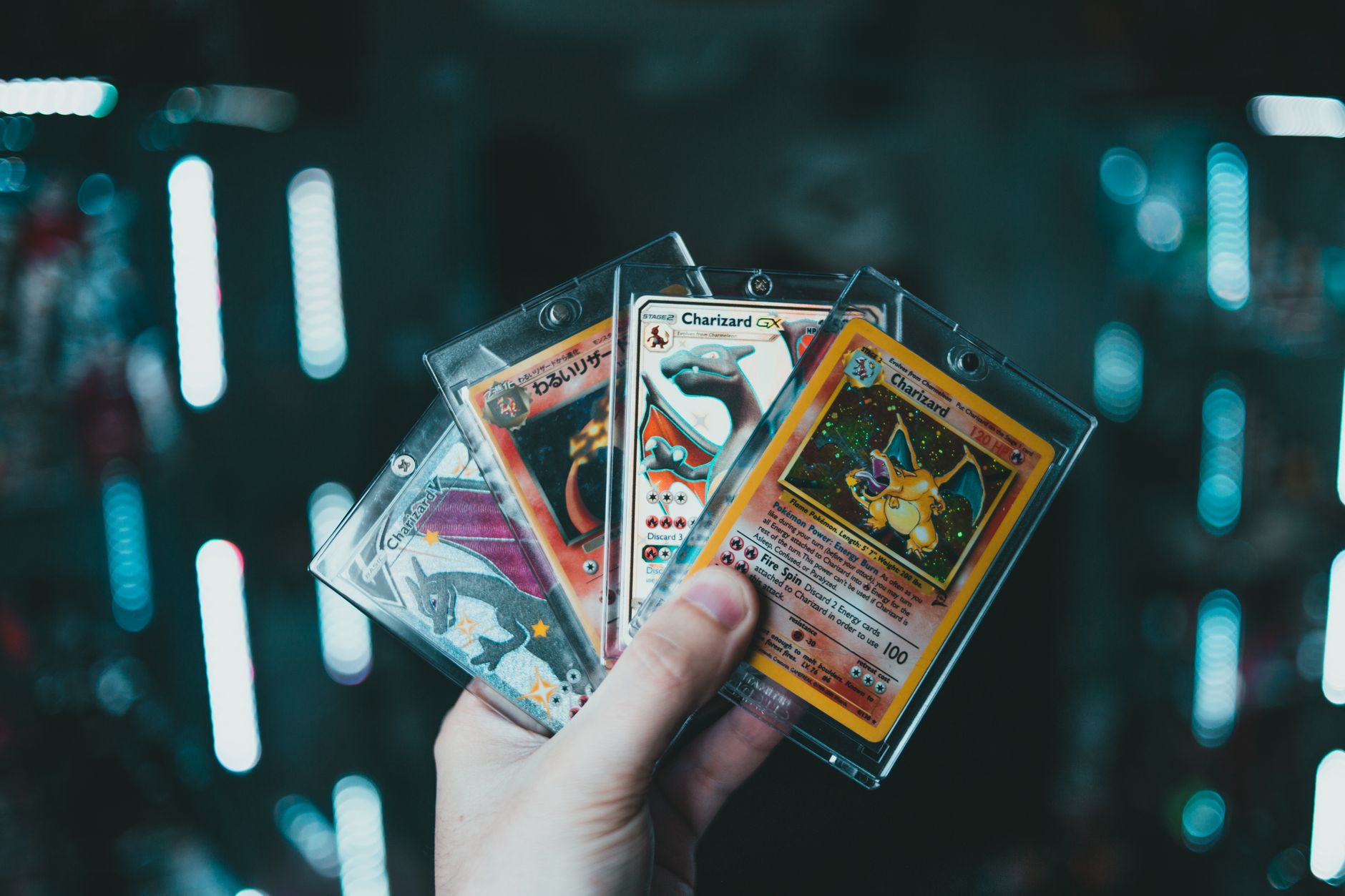
Pokemon card trading is smart only as a long, selective hobby investment, and too risky as quick profit. Trading here means buying sealed boxes and single cards to resell later at higher prices.
Scarce vintage cards and high grades drive most gains, while common pulls and quick flips often lose. Cards pay no interest or dividends, and sales carry high fees and delays. That makes patience, retail entry, and authentication the core edge.
Table of Contents
- What do the best returns have in common?
- Why does the grade make or break you?
- How do fees, shipping, and fakes eat returns?
- When should you buy and how long should you hold?
What do the best returns have in common?
Fortune, citing Card Ladder data through mid-2025, reported Pokemon cards rose about 3,261% over 20 years versus about 483% for the S&P 500, with gains centered in scarce vintage cards and top grades two-decade Card Ladder comparison. That gap favors rarity and condition, not the average booster pulled today. Poke Life research updated Nov. 13, 2026 found all 147 sealed products tracked sold above list price. Median resale reached 3.9 times retail after four or more years, versus 1.5 times under one year.
Long holds of sets with valuable chase cards earned the premium. Polygon reported Logan Paul's one-of-one PSA 10 1998 Pikachu Illustrator sold for $16,492,000 at Goldin on Feb. 16, 2026. That record shows the ceiling for unique, perfect, historic cards. Most traders will never touch that tier.
Why does the grade make or break you?
Grading means a company rates card condition on a 1-10 scale. PSA 10, called gem mint, is nearly perfect and brings the highest price. CardTrack grading price data from Nov. 26, 2026 shows the typical PSA 9 is worth only 20% of the same card in PSA 10, while an ungraded raw card is worth 5.2% current grading price data.
Missing gem sharply cuts resale, even when the card looks clean. That cliff affects modern cards most because PSA 10 copies are common. Vintage cards with few high-grade copies hold value better. Check centering, corners, edges, and print lines before you pay grading fees.
How do fees, shipping, and fakes eat returns?
Selling and grading costs erase small gains quickly. eBay Seller Center Help states eBay charges 13.25% up to $7,500 plus $0.30-$0.40 per order, while PSA grading costs $39.99-$599 and locks cards up for weeks current eBay fee schedule. Counterfeiting is the main safety risk for buyers. The PSA 2025 Fraud Report, via RipsChart, says PSA intercepted over $200M in projected fraudulent collectibles in 2025, with Pokemon counterfeit submissions up over 125% and trading card games at 56.3% of fakes 2025 fraud findings via RipsChart.
Raw vintage deals carry the highest danger. Buy sealed products from authorized sellers or graded cards in sealed slabs. Compare the cert number, label, holo pattern, font, and weight against known real copies. Walk away when photos are blurry or the price beats every sold listing.
When should you buy and how long should you hold?
Poke Life reports reprints stall prices, launch-week buying is the worst entry, and Japan key-card prices fell up to 70% from 2023 peaks despite long-run gains. Hype fades fast once supply returns. Time in the market beats timing the spike.
RipsChart advises treating cards as illiquid, high-fee collectibles with no income. Its practical rule is buy sealed or low-population vintage near retail, verify authenticity and grade odds, and hold for years. Use this simple filter before each purchase:.
- Buy sealed or low-population vintage near retail, not launch-week hype.
- Verify authenticity first, especially for raw vintage singles.
- Grade only centered, clean cards with strong gem odds.
- Hold for years and confirm resale still profits after fees.
You Might Also Like
- What Role Does Rarity Play in Pokemon TCG Card Value?
- Does Card Population on PSA Affect Pokemon TCG Pricing?
- What Makes a Pokemon Trading Card Error Card Valuable?