
Fourth print Pokémon Base Set cards have moderate collector value today, generally ranging from $5 to $50 depending on the specific card, condition, and current market demand. These later printings lack the scarcity premium of first edition shadowless cards, which can command hundreds or thousands of dollars, but they still represent legitimate pieces of the original Base Set production run. For example, a fourth print Base Set Charizard in near-mint condition might sell for $100-$300, while the same card in first edition shadowless can exceed $10,000.
The value difference stems primarily from supply. Fourth prints were produced in much larger quantities as the Base Set remained the flagship product for an extended period. However, the passage of time means condition becomes critical—even common fourth print cards in pristine condition command premiums over worn copies. Unlike more recent sets where fourth prints would be essentially worthless, these cards benefit from the historical significance of Base Set as the foundation of the entire modern trading card game.
Table of Contents
- What Distinguishes Fourth Print Base Set Cards from Earlier Releases?
- Market Dynamics and Pricing Volatility
- Comparing Fourth Print to First Edition Base Set Economics
- Building Collections with Fourth Print Base Set Cards
- Condition and Authentication Challenges in Fourth Print Markets
- Fourth Print Bulk and Commons as Long-Term Holdings
- The Long View on Fourth Print Collectibility
- Conclusion
- Frequently Asked Questions
What Distinguishes Fourth Print Base Set Cards from Earlier Releases?
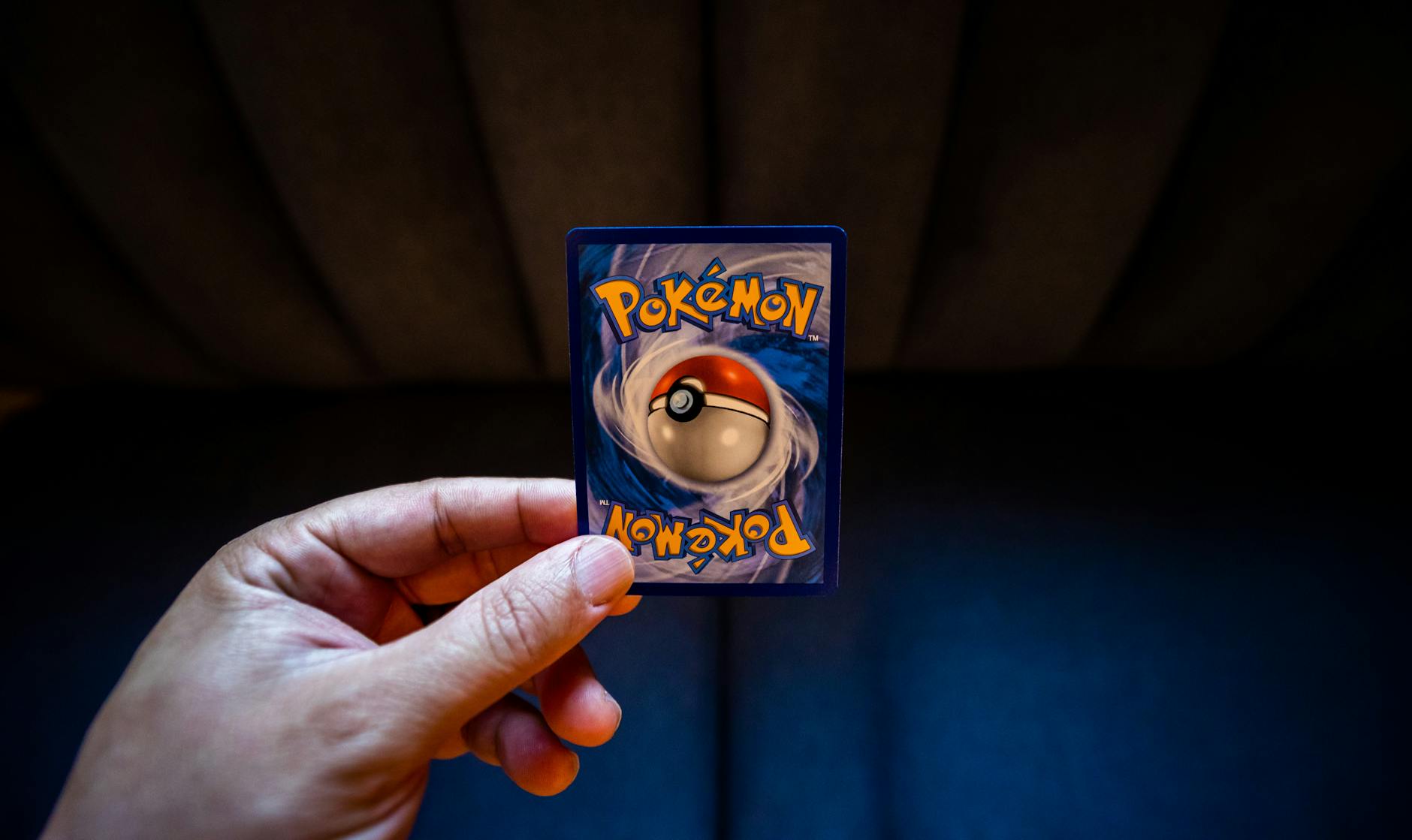
Fourth print Base Set cards are distinguishable through specific printing characteristics. These cards typically feature shadowless or early shadowed artwork, but they lack the more refined print details and centering of first edition runs. The back of the card often shows different ink saturation and cardstock quality compared to earliest printings.
Most notably, fourth prints were produced after higher demand was established, meaning the print run was much larger but the cards themselves often received less quality control attention than those initial pressings. The distinction matters because it directly affects value. A fourth print Mewtwo carries perhaps 10% of the value of a first edition shadowless Mewtwo, yet it still retains collectible appeal for players and enthusiasts seeking base set cards at reasonable prices. Collectors often use fourth print cards to complete sets without the investment barrier of earlier printings, making them a practical category with specific use cases and buyer demographics.

Market Dynamics and Pricing Volatility
Fourth print Base Set values have proven susceptible to market sentiment shifts over the past five years. During the 2020-2021 card boom, even fourth print holos saw prices climb 200-400% as new investors flooded the market. A fourth print Blastoise that sold for $30 in 2019 reached $120 by late 2021. However, the subsequent market correction has brought many cards back to $40-$60 ranges, reminding collectors that sentiment-driven bubbles create real downside risk.
The key limitation here is liquidity—fourth print cards can be harder to sell quickly than first edition cards if you need cash in a declining market. Condition is the primary lever controlling fourth print pricing more than any other factor. The difference between a card graded PSA 8 and PSA 9 can mean a $50 to $150 variance on an uncommon holographic. This makes purchasing fourth print Base Set cards as an investment problematic unless you’re confident in securing exceptional condition examples. Many fourth prints in casual collections or lightly played condition trade hands for $3-$15 regardless of which specific card they are, making them practical for players but poor hedges for price appreciation.
Comparing Fourth Print to First Edition Base Set Economics
A first edition shadowless Base Set pikachu in near-mint condition has held value between $800-$1200 over the past three years. The equivalent fourth print Pikachu trades between $15-$40. This 30:1 ratio illustrates why first editions remain the real value driver in Base Set collecting. However, the first edition Pikachu also demands significantly higher risk—finding one in genuine condition without restoration work requires expertise, and market liquidity can evaporate during downturns.
The fourth print Pikachu, conversely, offers accessibility for collectors who want authentic early-era cards without the authentication burden. Unlimited first edition cards with shadowless characteristics occupy a middle ground, typically trading at 5-8x the value of fourth prints while requiring only moderate expertise to evaluate. For someone building a complete Base Set, the question isn’t whether fourth prints are valuable, but whether they serve the collection’s purpose efficiently. Fourth prints excel at filling gaps affordably; they underperform as primary investments compared to first editions.
Building Collections with Fourth Print Base Set Cards
Most serious collectors mix editions strategically rather than committing entirely to fourth prints. A cost-efficient approach involves acquiring first edition copies of the most iconic cards—Charizard, Blastoise, Venusaur—while filling remaining set slots with fourth prints. This strategy yields 70% of the collector satisfaction at perhaps 30% of the total cost.
For example, investing $2000 in a first edition Charizard, Blastoise, and Venusaur plus fourth print copies of the remaining 100+ cards produces a visually complete, historically coherent collection at a fraction of the cost of all-first-edition sets. The tradeoff is straightforward: fourth prints demand less financial commitment but deliver lower prestige and slower appreciation. They make sense for players who want to play with legal vintage cards, for educators introducing younger collectors to the hobby, and for set completion on budgets under $500. They make less sense for investors seeking long-term hedge assets or collectors with unlimited budgets prioritizing maximum rarity.
Condition and Authentication Challenges in Fourth Print Markets
Fourth print Base Set cards present fewer authentication headaches than first editions, which is an underrated advantage. Counterfeit operations focus on high-value cards—first edition shadowless holos—because the profit margin justifies the effort. Fourth prints flying under the radar means a lower-price purchase carries less counterfeiting risk. However, wear and restoration present real challenges.
Many fourth prints circulated in game play for years, and sellers sometimes use subtle restoration techniques (light trimming, stain removal, gloss application) that casual buyers can’t detect but damage long-term value. The warning here is essential: if a fourth print Base Set holo appears perfectly centered and unblemished despite visible age, scrutiny is warranted. Expect some imperfections on cards that circulated in the 1990s and early 2000s. Purchasing graded examples from reputable services like PSA or CGC eliminates this uncertainty but adds 20-40% to your cost. Ungraded fourth prints are best evaluated in person when possible, as online photos can obscure restoration work.
Fourth Print Bulk and Commons as Long-Term Holdings
While fourth print holos receive most collector attention, the non-holographic commons and uncommons from later print runs deserve consideration as low-risk holdings. Fourth print bulk Base Set cards—the trainer cards, basic Pokémon, and uncommons—can be purchased in complete playsets for $0.25-$1 per card.
Unlike holos, these cards don’t appreciate meaningfully, but they also rarely depreciate. A player purchasing fourth print bulk for gameplay in formats allowing older cards gains functional value while maintaining optionality; if the market shifts, bulk cards can be liquidated at predictable floor prices.
The Long View on Fourth Print Collectibility
Fourth print Base Set cards will likely maintain steady modest value indefinitely, even if they never appreciate dramatically. The set’s cultural weight in gaming history ensures baseline demand from newer collectors discovering the franchise and longtime players seeking affordable nostalgia. Twenty years from now, a fourth print Base Set holo will probably trade for roughly the same inflation-adjusted price it does today, making it a stable if uninspiring holding.
The emergence of PSA and CGC grading services has actually benefited fourth print markets by creating confidence in condition claims at accessible price points. This standardization should preserve value more effectively than pre-grading era volatility. For collectors seeking exposure to Pokémon TCG history without the authentication complexity and financial risk of first editions, fourth prints represent the enduring practical choice.
Conclusion
Fourth print Pokémon Base Set cards offer genuine value as collectibles, just not the explosive appreciation some investors imagine. They provide affordable entry points for people building sets, playing with vintage cards, or exploring the hobby’s historical roots. The value range of $5-$50 for most commons and uncommons, with holos commanding $50-$300, creates accessible market dynamics that first editions simply don’t offer.
If your goal is completing a Base Set, preserving gaming history, or acquiring affordable vintage cards, fourth prints deliver on those objectives. If you’re seeking investment returns or maximum rarity, allocate funds toward first editions instead. The key is clarity on purpose—fourth prints excel when you know what role they serve in your specific collection.
Frequently Asked Questions
How do I identify a fourth print Base Set card versus first edition?
Check for the “1st Edition” stamp on the left side of the card. Fourth prints lack this stamp. Additionally, fourth prints often show slightly different ink saturation and may have shadowless or early shadowed characteristics. Using side-by-side comparison with documented examples is the most reliable identification method.
Can fourth print Base Set cards appreciate in value?
They can appreciate modestly over long periods through inflation and scarcity of mint-condition examples, but historical data shows fourth prints typically hold value rather than multiply it. First edition cards have appreciated 10-20x since 2015; fourth prints have roughly doubled.
Are fourth print Base Set cards fake more often than other prints?
No—counterfeiters target high-value first editions. Fourth prints face lower counterfeit risk due to lower profit margins, though restoration and condition misrepresentation remain possible on raw cards.
Should I get fourth print Base Set cards graded?
For holos in excellent condition, grading adds credibility and can increase resale value by 15-30%. For commons, uncommons, or heavily played cards, the grading cost exceeds the value premium, so raw purchases make more sense.
What fourth print Base Set cards hold the most value?
The holographic “big three”—Charizard, Blastoise, and Venusaur—command the highest fourth print prices. Beyond these, other holos like Mewtwo, Arcanine, and Alakazam maintain stronger value than non-holo cards.
Can I play with fourth print Base Set cards in tournaments?
Depends on the format. Most modern sanctioned tournaments don’t allow cards older than a specific release window. However, casual play and unsanctioned formats often welcome vintage Base Set cards regardless of print.
You Might Also Like
- What Is Pokémon 4th Print Base Set And Why Do Collectors Care
- Is 4th Print Pokémon Base Set Rare
- How To Tell If Your Pokémon Card Is 4th Print Base Set