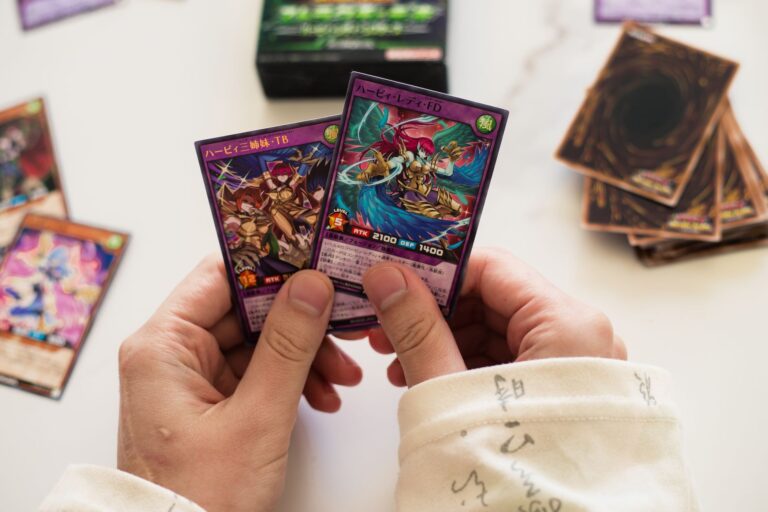
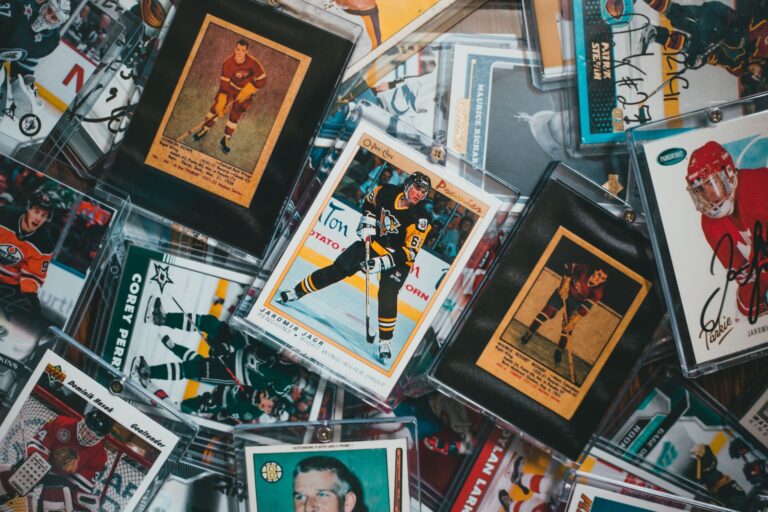
Local card shops are the best place to learn the Pokemon card hobby because they offer immediate access to experienced players, real hands-on card handling, and a community that actively values teaching newcomers. Unlike online forums or YouTube tutorials, a physical card shop provides tangible products you can examine, community members who can watch your learning in real-time, and social accountability that keeps you engaged. When you walk into a local shop for the first time, you’ll likely find staff who’ve spent years sorting through thousands of cards, authenticating graded cards, and helping collectors navigate everything from draft formats to investment-grade holographic rarity tiers.
The advantage goes beyond convenience. At a shop in Portland, Oregon, for example, a new collector might spend thirty minutes with the shop owner examining five different versions of a 1st Edition Charizard card, learning why the card stock, centering, and surface condition matter more than the image itself. That hands-on education—comparing actual cards side by side—accelerates your learning curve in ways that reading price guides alone cannot achieve.
Table of Contents
- What Can You Actually Learn at a Local Card Shop?
- Why In-Person Instruction Beats Learning Online
- Building Relationships with Experienced Collectors
- The Trade-off Between Shop Learning and Online Research
- Avoiding Common Mistakes Through Shop Guidance
- Events, Tournaments, and Hands-On Learning
- The Future of Learning Through Local Communities
- Conclusion
- Frequently Asked Questions
What Can You Actually Learn at a Local Card Shop?
Local card shops teach you the fundamentals of card grading, valuation, and collecting in ways that no single online resource can replicate. Staff and regular customers at these shops evaluate cards constantly, which means you’ll learn how to spot first editions, shadowless printings, and other variants that dramatically affect price. You’ll hear real discussions about why one Blastoise from the Base Set might be worth $40 and another identical-looking card is worth $8, and the shop will often let you examine both cards to understand the difference yourself.
Beyond grading, shops teach you about set releases, rotation schedules, and how new products affect older card values. If you’re browsing cards while a shop owner is restocking new booster boxes, you’ll naturally overhear conversations about supply constraints, print runs, and which sets are trending upward. A collector in Seattle described learning more about Pokemon card cycles in two months of regular shop visits than they had absorbed in a year of reading Reddit threads about the hobby.

Why In-Person Instruction Beats Learning Online
In-person instruction at card shops works better because you can ask immediate questions, get real-time feedback, and see cards under proper lighting with proper handling. When you ask a question online, you might get five different answers from five different sources, and separating accurate information from speculation takes time and experience you don’t have yet. At a card shop, you can show someone a card you’re unsure about and get a straightforward answer within seconds.
However, there’s a limitation worth noting: not all card shops are equally educational. Some shops are primarily retail operations focused on moving product and generating transaction volume; the staff may be less invested in teaching and more focused on speed. A new collector in Denver spent weeks at their local shop only to realize the staff were uninterested in explaining grading differences, often brushing off questions to attend to other customers. The quality of your learning depends heavily on whether you choose a shop where the owner or experienced staff actually enjoy mentoring newcomers.
Building Relationships with Experienced Collectors
One of the most underrated benefits of local shops is the community you build with other collectors and shop staff. These relationships become invaluable as you develop your skills. Regular players at a card shop become mentors without formally acting as tutors—they’ll invite you to draft events, help you understand meta-game shifts, and alert you to opportunities before they hit broader market awareness.
These relationships also provide social reinforcement for the hobby. Collecting cards alone can feel aimless, but participating in a shop community gives you context for your collection. When you’re examining a stack of vintage holographic cards at a shop and someone nearby says, “That’s a Shadowless Machamp—those are incredibly hard to find in good condition,” you immediately understand that your hobby connects to a larger ecosystem of knowledge and value. Over time, this community acts as your informal advisory network, helping you avoid costly mistakes and celebrate meaningful additions to your collection.

The Trade-off Between Shop Learning and Online Research
Local card shops offer irreplaceable in-person experience, but they shouldn’t be your only resource. The most successful collectors combine shop learning with online research through price guides, auction databases, and dedicated Pokemon card forums. Online databases let you track historical pricing trends that a shop owner might only know intuitively; you can see exactly how a Charizard’s price has evolved over the past three years, whereas a shop owner’s knowledge of pricing comes from their personal transaction history.
The practical approach is to use shops for learning fundamentals and seeing cards in person, then supplement with online research for validation and deeper market analysis. A collector in Chicago described her process: she’ll identify a card at her local shop, ask the shop owner what they think about its condition and value, then go home and research that card’s auction history, recent sales comparisons, and professional grading reports. This combination lets her develop judgment quickly while avoiding overpaying for cards based purely on what she’s been told in the shop.
Avoiding Common Mistakes Through Shop Guidance
Local shops help you avoid mistakes that cost money, time, and enthusiasm. New collectors often buy damaged cards thinking they’re pristine, or they invest heavily in common cards while overlooking valuable variants. A shop owner or experienced regular can spot these mistakes immediately and explain why. For instance, a collector who focuses only on near-mint condition cards might miss incredible value in lightly played cards from highly sought-after sets—something a good shop staff member will point out.
One critical warning: shop expertise varies widely by individual, and some staff may give advice that’s colored by their own inventory or profit incentives. If a shop heavily stocks a particular card or set, they might unconsciously promote those holdings. The best protection is to learn enough to ask follow-up questions and compare advice from multiple sources. Don’t accept pricing or investment guidance from a single person, no matter how experienced they seem.

Events, Tournaments, and Hands-On Learning
Many local card shops host draft events, booster breaks, and league nights that accelerate your learning through active participation. In a draft event, you sit at a table with other players, each choosing cards strategically from booster packs in real-time, and immediately play games with the cards you’ve drafted. This teaches you far more about card mechanics, relative value, and strategic thinking than buying loose cards ever would.
An example: a shop in Austin holds weekly draft tournaments where newcomers regularly compete alongside experienced players. The shop owner has built a culture where experienced players mentor newer ones, and winners often give feedback to other competitors about their card choices and strategies. Participants walk out understanding not just what cards do, but why certain combinations matter and how the broader card ecosystem values cards differently based on playability versus collectibility.
The Future of Learning Through Local Communities
The Pokemon card hobby is increasingly influenced by both nostalgia collectors (buying vintage cards) and active players (buying modern competitive cards). Local shops are evolving to serve both groups, which means the teaching dynamic is changing. Shops that succeed are those that recognize these two different learning paths and provide guidance appropriate to each.
A shop that only caters to serious competitive players might overwhelm a newcomer interested in vintage cards, while a shop focused purely on nostalgia might miss helping competitive players understand modern set rotations. As the hobby continues to grow and become more accessible online, local shops remain valuable specifically because they can’t be replicated digitally. The experience of handling a card, seeing it under shop lighting, comparing multiple versions side-by-side, and hearing experienced voices discuss why certain cards matter—these are irreducibly physical experiences that stay with you.
Conclusion
Local card shops are the best place to learn the Pokemon card hobby because they compress what would otherwise be months of online research and trial-and-error learning into weeks of direct experience, community interaction, and hands-on education. You get access to experienced people, physical cards to examine, and a community that validates your interest and accelerates your judgment. The relationships you build at a shop often become as valuable as the knowledge itself, creating accountability and shared enthusiasm that sustains the hobby long-term.
If you’re new to Pokemon card collecting, the first step should be finding a local card shop where the staff are genuinely interested in teaching, not just selling. Visit during slower hours so staff can spend time with you, ask questions about cards you’re interested in, and participate in whatever community events the shop offers. The investment of your time in person will pay dividends in your knowledge, judgment, and enjoyment of the hobby.
Frequently Asked Questions
How do I find a good local card shop for learning?
Visit shops in your area during slower hours (weekday afternoons), observe whether staff engage with customers who ask questions, and check online reviews for mentions of staff helpfulness. The best shops have clearly active communities with posted event schedules.
Will local shops try to upsell me on overpriced cards?
Some will, and some won’t. This is why cross-checking shop pricing with online guides is essential. Shops with long-term community focus typically price competitively because they prioritize customer retention over transaction margins.
Can I learn everything I need online instead?
You can learn a lot online, but you’ll spend far more time filtering misinformation and misunderstanding card conditions without hands-on experience. Most serious collectors use shops for fundamentals and in-person verification, then supplement with online research.
What if there’s no card shop near me?
You’ll need to rely more heavily on online communities, YouTube tutorials, and price guides. Consider occasional trips to shops when traveling, or look for online communities that offer video consultations or sample card imaging where experienced people help you evaluate cards remotely.
How often should I visit a card shop to truly learn?
Weekly visits accelerate learning significantly because you see cards regularly, build relationships with staff and regulars, and stay current with market changes. Bi-weekly or monthly visits still provide value, but consistency matters more than frequency.
Should I specialize in one card type or collect broadly while learning?
Most collectors benefit from specializing early (vintage cards, modern competitive cards, or a specific set) because this narrows the learning scope and creates deeper expertise. Shop staff can help you identify which specialization matches your interests and budget.