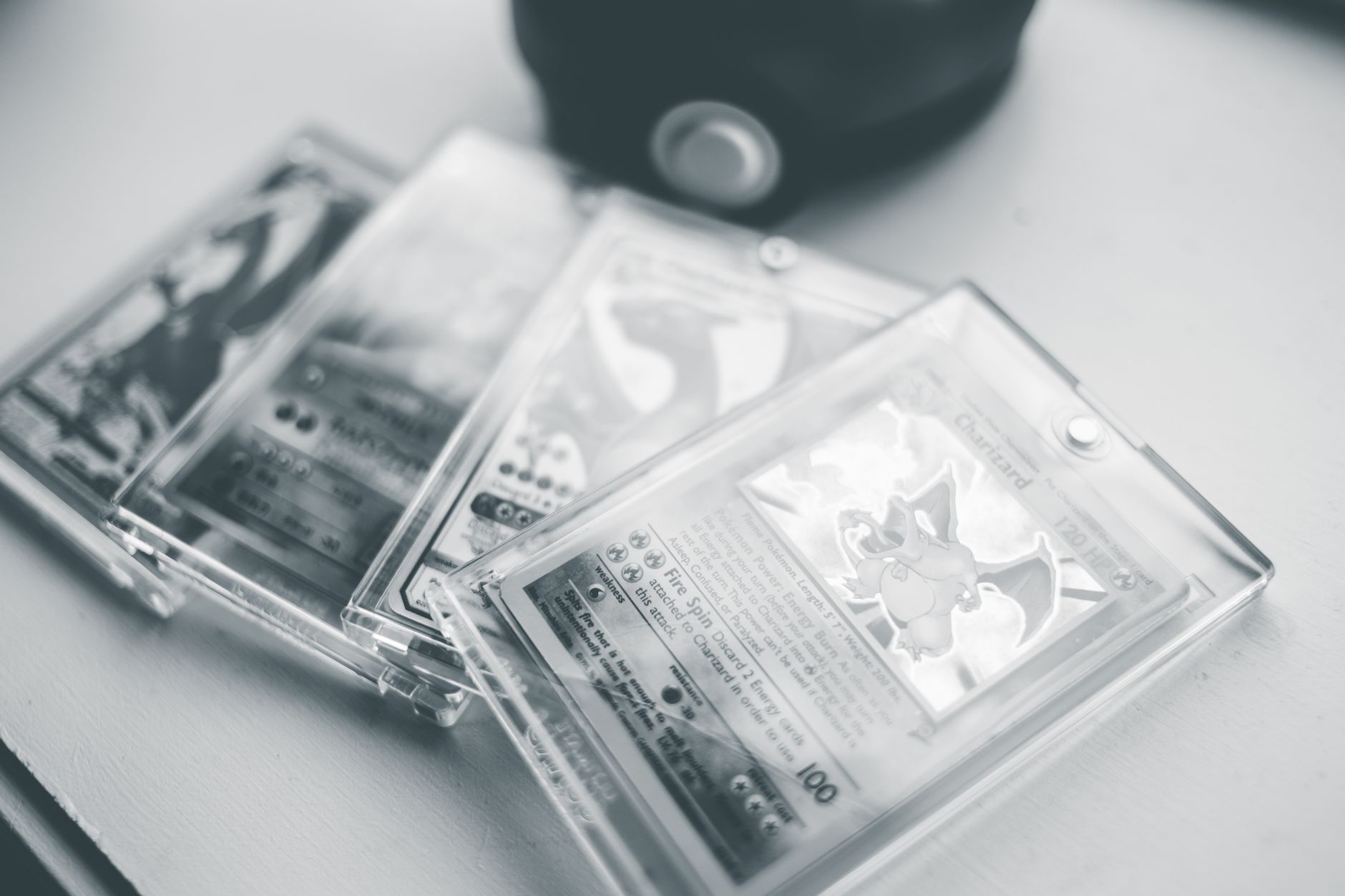
Compare the set symbol, card number, copyright line, and regulation mark to the original release to tell if a Pikachu card is a reprint. A reprint reuses the same art in a later set with new identifiers.
Sellers often list by character, not by set. That makes two Pikachu cards look the same in a photo. Ask for clear shots of the bottom and corner marks before you pay.
Table of Contents
- Check the set marks first
- Let the finish help, not decide
- Read the text and layout closely
- Ask for proof before you pay
Check the set marks first
Start with the set symbol, collector number, and set code as printed on the card. The symbol sits in the corner and changes with each release. The collector number places the card inside that release.
Read the small copyright line at the bottom of the card. It names the release and shows identifiers added for later print runs. A single-letter regulation mark near that line also separates older and newer cards. Ask the seller for:.
- front and back in sharp focus
- close view of the bottom copyright line
- close view of the set symbol and card number
Let the finish help, not decide
Use finish as a clue, not proof. Later printings often use a different foil pattern, edge gloss, or card stock. Light angle shows this better than a straight photo.
Tilt the card and watch the shine move. A flat mirror shine points to one style of printing. A textured or grainy shine points to another style. Counterfeits can also copy shine poorly, so pair finish with the printed marks.
Read the text and layout closely
Compare spelling, punctuation, fonts, and spacing against the release the seller names. Later printings often update wording, symbols, or abbreviations. The card itself shows these details in the attack box and weakness area.
Check the energy symbols, hit points placement, and retreat icons. Look for sharp print, even ink, and straight borders. Blurry text, wrong fonts, or off-center frames warn of a copy rather than a licensed reprint.
Ask for proof before you pay
Shop from the exact set name and card number, not from "Pikachu" alone. Refuse stock photos when the marks matter. Ask whether the card comes from a special collection, promo, or box set.
Compare the seller's photos with another copy from the same named set. Note any mismatch in symbol, number, foil, or bottom line. Walk away when a seller will not show the bottom line.
You Might Also Like
- Pokemon Card Live Auctions: How Countdown Timers Can Change What You Are Willing to Pay
- Pokemon Card Deposits for Private Sales: What to Confirm Before Paying to Reserve a Card
- Pokemon Card Deals in Another Language: Checking the Exact Edition Before Paying