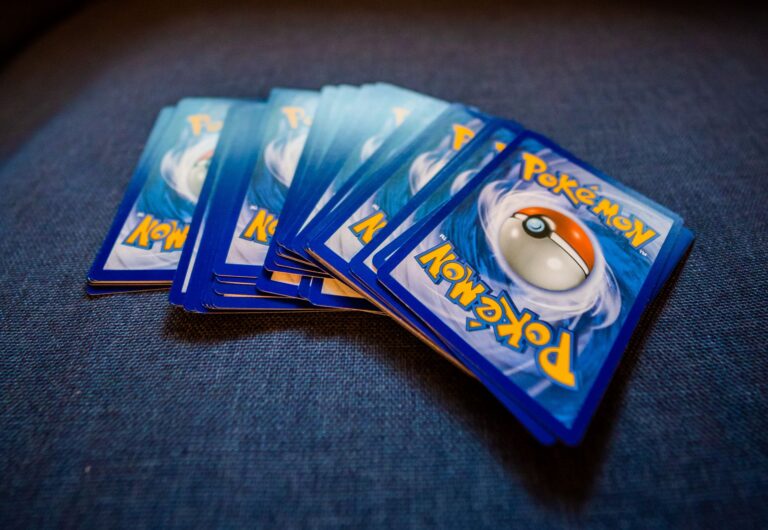
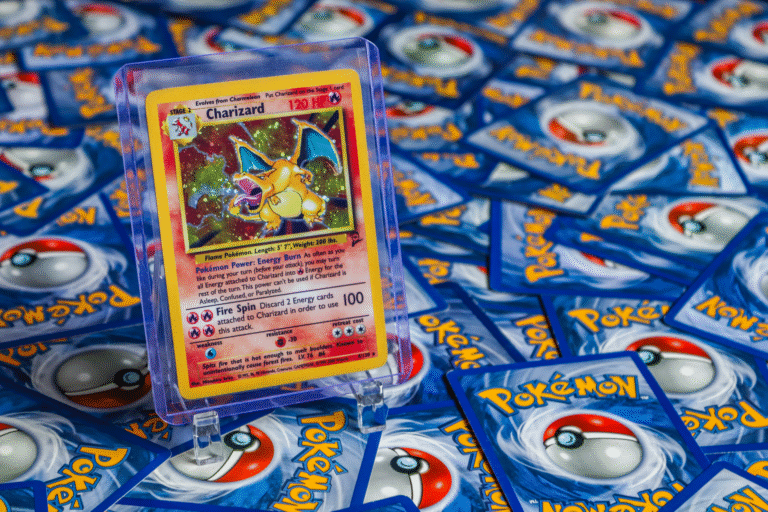
Pokémon’s partnership with Target became a powerful traffic driver for collectors because Target offered something no online platform could replicate at scale: immediate, consistent physical access to new Pokémon trading card products at reasonable prices. When Target aggressively stocked Pokémon products starting around 2020-2021, especially during the market surge, the retailer became a critical discovery point for collectors who wanted to build collections without paying secondary market markups. The partnership worked because Target’s nationwide footprint—over 1,900 stores—meant that collectors from rural areas to major cities could walk in and find booster packs, theme decks, and special sets without waiting weeks for shipping or refreshing websites obsessively.
This accessibility created a collector ecosystem that benefited the hobby broadly. Serious collectors who wanted to chase specific cards could reliably source packs at MSRP, while casual buyers discovered the hobby through convenient store visits. Target didn’t position itself as a specialist retailer—it positioned itself as the place where Pokémon cards were always available, turning routine shopping trips into card-hunting expeditions.
Table of Contents
- Why Did Target Become the Gateway Retail Partner for Serious Collectors?
- How Target’s Distribution Network Expanded Collector Access While Creating Scarcity Dynamics
- The Role of Exclusive and Limited Products in Driving Collector Traffic
- Turning Retail Foot Traffic Into Collector Community Engagement and Data Insights
- The Scalping Crisis and Market Volatility Created by Target’s High-Visibility Inventory
- Secondary Market Impact and Collector Value Assessment Through Target Pricing
- The Future of Retail Partnerships in Pokémon Collecting and Market Evolution
- Conclusion
- Frequently Asked Questions
Why Did Target Become the Gateway Retail Partner for Serious Collectors?
target succeeded where many retailers struggled because it combined two essential elements: inventory depth and customer trust. Unlike small game shops that might stock a single box per week, Target could order inventory in quantities that actually met demand. When a collector drove to Target on a Friday evening, there was a reasonable chance they’d find products from multiple sets, not just scraps left by earlier customers. This reliability created a habit loop—collectors started checking Target first, which drove foot traffic, which justified larger inventory orders from Target’s suppliers. The partnership also normalized pokémon card collecting as a mainstream hobby rather than a niche pursuit.
Customers picking up groceries or household items would see colorful Pokémon displays in the toy aisle, introducing the hobby to demographics that would never visit specialty game stores. This mainstream positioning attracted younger collectors and returned collectors who had abandoned the hobby decades earlier. Target’s brand trust mattered too—collectors knew they weren’t buying counterfeits, which was a significant concern on secondary markets and sketchy online retailers during the 2020-2021 boom. Target’s pricing discipline reinforced its position. While secondary markets were chaotic and scalpers were selling $3.99 booster packs for $15, Target maintained consistent MSRP pricing. This created arbitrage opportunities that attracted resellers and collectors alike, all of whom drove traffic both in-store and to articles, forums, and pricing websites discussing Target’s restocks.

How Target’s Distribution Network Expanded Collector Access While Creating Scarcity Dynamics
Target’s vast supply chain meant that new Pokémon set releases reached stores simultaneously across the country, which was historically unprecedented for the hobby. In earlier decades, collectors faced regional delays and inconsistent availability. With Target, a Pokémon TCG set could theoretically be purchased in New Hampshire and California on the same day at the same price. This standardization drove collector excitement because it created synchronized moments when new products were available everywhere—spurring waves of social media discussion, restocking alerts, and traffic spikes. However, this accessibility had a critical limitation: Target’s physical store format created a scarcity trap that the company didn’t fully anticipate. When Target announced or stocked limited products—like special Box Sets or Pokémon Center exclusive items—the finite in-store inventory combined with the collectability of limited runs created genuine scarcity.
Collectors would line up at store opening, call ahead to check stock, and coordinate with other collectors to secure products. This scarcity behavior, while good for excitement and traffic to collector forums and websites, also enabled scalping on an unprecedented scale. The same Target restocks that attracted legitimate collectors also attracted resellers who bought entire store allocations to flip on eBay or other marketplaces. Target’s restocking pattern—seemingly random timing and inventory levels—became its own form of content. Collector communities tracked which stores had stock, which managers were friendly to collectors, and what times restocks typically occurred. This created a secondary traffic driver: people visited collector forums, YouTube channels, and Twitter accounts specifically to find out where Target had inventory.
The Role of Exclusive and Limited Products in Driving Collector Traffic
Target capitalized on exclusivity by hosting products that weren’t available through Pokémon’s official online store or competitors like Walmart or Best Buy. Certain Box Sets, special art promos, and regional releases were Target-exclusive, which meant collectors had no choice but to visit the retailer if they wanted to complete their collections. The Shining Fates Elite Trainer Box is a perfect example—this product was highly sought after during 2021, moved quickly in stores, and appeared in dozens of “where to buy” articles and YouTube searches. Every time the product restocked, traffic to Pokémon pricing websites spiked as collectors searched for pricing history, grading guides, and investment potential. These exclusive releases also created a collecting psychology that drove repeated visits.
A collector might visit Target multiple times per week, not just to buy products, but to check if a new exclusive had arrived. This wasn’t different in kind from limited sneaker drops or limited-edition product releases in other hobbies, but Target’s convenience and ubiquity made it more accessible than specialty retailers. The collector communities tracked these exclusives obsessively, creating content calendars and release predictions that drove organic search traffic to collector websites. The artificial constraint of limited exclusivity also fed the secondary market and pricing discussion. When a Target-exclusive product had a limited print run or limited time availability, its secondary market price would spike, creating urgency and FOMO (fear of missing out) that drove new collectors into the hobby and existing collectors to urgently source remaining in-store stock.

Turning Retail Foot Traffic Into Collector Community Engagement and Data Insights
Target’s physical presence created a unique feedback mechanism that online retailers couldn’t match: actual human observation of collector behavior. Collectors would photograph empty shelves, share restocking schedules, and document product variations directly from stores. This real-time, ground-level data became content that drove traffic to collector websites, Discord communities, and Reddit forums. Articles about “Target’s sudden restock of Brilliant Stars” or “Why Pokémon Center exclusives aren’t hitting Target” became common collector content, each generating search traffic and discussion. The comparison to Amazon or Pokémon Center is instructive: those platforms offered convenience, but Target offered the ritual and social element of in-store collecting.
Collectors would meet up at Target, discuss grading and card values in the toy aisle, and coordinate purchases. This social dimension created a sense of community around the Target hunting experience that no purely digital retailer could replicate. Target inadvertently became a physical gathering place for the collector community, which reinforced its importance in the collector ecosystem. For pricing and collector websites, this meant that Target restocks and inventory levels became primary content drivers—people wanted to know when and where to find products. The tradeoff is that this retail-centric model also meant that online collectors without nearby Target stores felt excluded from the best deals and exclusive products. Regional availability gaps created collector frustration that was visible across collector forums, which actually drove some of that discussion traffic to websites covering retail dynamics.
The Scalping Crisis and Market Volatility Created by Target’s High-Visibility Inventory
Target’s success in becoming a collector destination also made it a scalping magnet. Because Target’s restocking patterns were observable and its stock was visible to anyone who visited the store, scalpers could identify profitable products and act quickly. During peak demand periods in 2021-2022, organized groups would visit Target stores, buy out inventory of sought-after products, and list them immediately on eBay at 300-400% markups. This behavior created tension within the collector community and fed the narrative of Pokémon cards as a speculative investment rather than a hobby. This scalping dynamic had two major consequences for the collector ecosystem and for websites tracking prices and availability.
First, it created pricing volatility: Target MSRP prices were stable, but secondary market prices for the same products fluctuated wildly based on scalper supply, short-term demand spikes, and community sentiment about investment potential. A product that was available at Target for $3.99 might be listed for $15 on eBay one week and $8 the next, creating confusion about true value. This volatility became a major topic for collector websites and pricing resources, which tracked how “hype” products performed over time. Second, scalping created a warning for Target itself: the company began implementing purchase limits, requiring ID for large purchases, and in some cases, temporarily stopping Pokémon TCG sales during peak chaos periods. These anti-scalping measures reduced collector frustration but also reduced the visibility and excitement around Target restocks, which dampened some of the traffic-driving energy the partnership initially created.

Secondary Market Impact and Collector Value Assessment Through Target Pricing
Target’s consistent MSRP pricing became a benchmark for the entire collector market. Serious collectors used Target pricing as a reality check for secondary market prices—if a booster box was priced at $99.99 at Target, seeing it listed for $400 on other platforms was a red flag that suggested either extreme scarcity or market irrationality. This anchoring effect meant that articles about Pokémon card value, investment potential, and collecting strategy often used Target prices as baseline comparisons.
When Target had stock of a specific product, the secondary market price for that same product would typically drop because collectors had the option to purchase at retail rather than overpay secondary market sellers. This dynamic created a natural price discovery mechanism. Serious grading and pricing websites tracked this closely because Target inventory became an indicator of market sentiment: if scalpers and resellers were avoiding a product, there was often a reason (low estimated demand, print run concerns, or other market signals).
The Future of Retail Partnerships in Pokémon Collecting and Market Evolution
Looking forward, Target’s partnership with Pokémon represents a model that likely won’t return to its peak energy, but it established a baseline for how major retailers can participate in collectible ecosystems. The company’s early aggressive stocking created unprecedented access, which was good for the hobby’s growth, but the scalping dynamics and subsequent inventory restrictions meant that the “magic” moment of consistent, abundant, product-everywhere retail availability has passed. Future retail partnerships will likely be more selective and controlled.
Pokémon may push back on retail inventory levels to maintain scarcity and secondary market value, or retailers may implement more sophisticated allocation systems to prevent scalping while still serving legitimate collectors. The Target partnership showed that mainstream retail access creates traffic and engagement, but it also created challenges that Pokémon and retailers are still managing. The partnership remains important, but it’s evolved from a chaotic, exciting frontier to a more mature, stabilized channel for product distribution.
Conclusion
Pokémon’s Target partnership became a traffic magnet for collectors because it solved the core problem of accessibility: collectors needed a reliable, local, affordable way to source new products, and Target provided exactly that at scale across the country. The partnership normalized Pokémon card collecting as a mainstream hobby, drove foot traffic, created consistent MSRP pricing benchmarks, and sparked countless discussions in collector communities about restocks, exclusives, and market dynamics. Serious collectors made Target visits part of their routine, and websites covering collector content found that Target inventory levels and exclusive releases became reliable topics for generating organic search traffic.
The partnership’s evolution also taught the collector ecosystem important lessons about managing demand, preventing scalping, and maintaining healthy pricing dynamics. While the chaotic energy of the early Target partnership has cooled, the retailer remains a critical channel for product distribution and collector access. For anyone serious about building a Pokémon collection, understanding Target’s role in the broader retail and secondary market ecosystem remains essential.
Frequently Asked Questions
Does Target still restock Pokémon cards regularly?
Yes, Target continues to stock Pokémon products, though restocking frequency and inventory levels vary by location and product type. Checking your local Target’s toy section or calling ahead remains a viable way to source products at MSRP, particularly for newer set releases.
What makes Target different from other retailers like Walmart or Target?
Target’s consistency and inventory depth set it apart. The company committed to stocking Pokémon products across its entire store network, which meant that collectors could reasonably expect to find products in most locations. Walmart stocked some products but with less reliability, while specialty game stores offered expertise but limited inventory.
Are Target prices competitive with secondary market listings?
Target MSRP prices are significantly lower than secondary market prices during high-demand periods, which is why collectors prioritize Target purchases when stock is available. However, for older or out-of-print products, secondary market prices are often the only option.
How has the scalping problem affected Target’s Pokémon card business?
Scalping drove inventory frustration and led Target to implement purchase limits and verification procedures. While these measures reduced scalping, they also reduced some of the excitement and urgency around restocks, making Target a more stable but less chaotic retail channel.
Should collectors expect Target to have exclusive Pokémon products?
Target has hosted exclusive products historically, particularly special Box Sets and regional releases. However, availability varies, and many exclusives are limited-time offerings that may not return in future years.
Why do collector websites focus so much on Target restocking information?
Target restocks create content opportunities because they’re observable, time-sensitive, and driven by collector demand. Information about when and where to find products at retail prices drives organic search traffic and community engagement.