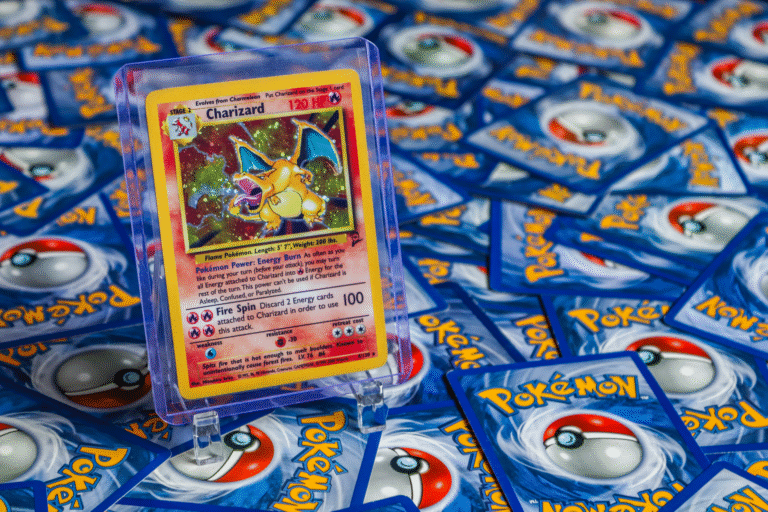
Exclusive Pokémon retail drops create sustained online buzz because they combine artificial scarcity, distribution exclusivity, and the collector mindset into a perfect storm of demand. When Target announces 100+ items across a single collection or Walmart launches daily TCG drops exclusively for Walmart+ members, the market responds with a frenzy that extends far beyond the retailers themselves. The core reason is straightforward: limited supply meeting passionate demand always generates conversation, competition, and community engagement online.
This phenomenon intensifies because retailers deliberately structure these drops to maximize perceived scarcity. Target’s May 2-3, 2026 launch of its Pokémon 30th Anniversary Collection wasn’t a one-time event—it includes a second phase rolling out June 6, 2026, with 40 additional items. That staggered approach keeps the conversation alive across multiple windows, drawing fresh attention each time. When collectors know products are available only at specific retailers and in restricted quantities, the urgency becomes real, not manufactured.
Table of Contents
- What Drives the Hype Around Limited Retail Releases?
- The Scarcity Economics That Fuel Online Conversation
- How Major Retailers Amplify the Buzz
- The Scalping Problem That Extends the Conversation
- Price Volatility and Secondary Market Risks
- The Pokémon Center Exclusive Strategy
- The Future of Retail Exclusivity in Pokémon Collecting
- Conclusion
What Drives the Hype Around Limited Retail Releases?
The foundation of this buzz lies in distribution exclusivity. The pokémon Company has shifted toward retail partnerships that concentrate products at specific chains and windows. Walmart’s daily TCG drops for Walmart+ members, for example, are available nowhere else—creating an immediate barrier that separates casual shoppers from serious collectors. This exclusivity becomes a status marker in collector communities. If you managed to secure a Pokémon TCG “Chaos Rising” Elite Trainer Box from the Pokémon Center exclusive launch on May 22, 2026, you didn’t just buy a product; you proved you were connected enough to know about the drop and prepared enough to act.
The psychological component matters as much as the actual supply constraints. Pokémon Center products carry a 15-25% price premium over identical items available through standard retail, and most of that premium comes purely from the exclusivity label. Collectors willingly pay more because the story of acquisition becomes part of the product’s value. Pair that with per-customer order limits of 2-4 items, and you’ve created an environment where even successful purchases feel like victories worth sharing. The online buzz reflects genuine achievement in an intentionally competitive shopping experience.

The Scarcity Economics That Fuel Online Conversation
Retail exclusivity works as a deliberate pricing strategy. When the Pokémon Company limits Pokémon Center exclusive items to 2-4 units per customer, they’re creating artificial demand that keeps prices elevated across the secondary market. This structure doesn’t happen by accident—it’s designed to preserve profit margins and collector enthusiasm. However, this approach has a built-in limitation: it relies on sustained demand and community perception. Once collectors perceive that supply has normalized or that prices are overinflated, the magic dissipates quickly. Recent market corrections demonstrate this vulnerability.
The Obsidian Flames Charizard card, once commanding $126, dropped to $79. The Prismatic Evolutions Umbreon SIR fell 50%, plummeting from $1,600 to $832. These dramatic declines signal that scarcity premiums don’t hold indefinitely. The Pokémon Company recognized this and announced production plans to “saturate the market” and reduce scalper profitability. Early results show sealed product prices declining across multiple sets, and notably, some scalpers have already exited the market because shrinking margins no longer justify their operational costs. The warning here is clear: exclusive drops create artificial value that evaporates when supply increases, leaving late-stage buyers holding depreciated inventory.
How Major Retailers Amplify the Buzz
Target’s approach to the 30th anniversary Collection offers a textbook example of amplifying buzz through staggered releases and category breadth. The initial May 2-3 drop included over 100 items spanning apparel, collectibles, and merchandise—not just trading cards. This breadth means the collection appeals to multiple collector segments simultaneously: serious TCG players, casual fans, merchandise collectors, and nostalgia buyers. Each segment generates its own online conversations, creating a multiplier effect on buzz. Walmart’s strategy diverges by creating an exclusivity tier through Walmart+.
The daily TCG drops for members create ongoing engagement rather than one-time events. This subscription lock means the conversation continues indefinitely—every drop generates renewed interest among the 15+ million Walmart+ members who might be interested. However, this structure also concentrates bot and scalper activity. The daily nature of these drops makes them prime targets for automated purchasing systems. Collectors report significant purchase challenges competing with bots, which then immediately list items on secondary markets at inflated prices. The tradeoff is accessibility versus availability: exclusive drops reach members easily, but acquisition depends on competing with sophisticated automation.
The Scalping Problem That Extends the Conversation
Persistent bot and scalper activity has become inseparable from discussions about exclusive retail drops. When Pokémon Center releases limited quantities of a product, scalpers don’t view this as an obstacle—they view it as an opportunity. Automated purchasing systems can complete thousands of transactions in seconds, securing inventory that genuine collectors never get the chance to buy. This dynamic extends online buzz in unintended ways: collectors complain about scalpers, share strategies for beating bots, and create community resources documenting which retailers are most vulnerable to automation.
The comparison between old and new retail drops reveals how much scalping has intensified the conversation. Five years ago, exclusive drops still happened, but the infrastructure for industrial-scale scalping was less sophisticated. Today, a Pokémon Center exclusive Elite Trainer Box might sell out in under 60 seconds, with 70-80% of inventory going to scalpers rather than collectors. This generates sustained online commentary as collector communities share tips about queue times, server behavior, and which retailers are implementing better anti-bot measures. The irony is that by attempting to create community engagement through exclusivity, retailers and manufacturers have created a secondary conversation entirely about how to actually succeed in purchasing at all.
Price Volatility and Secondary Market Risks
Exclusive retail drops create a false premium that can evaporate overnight. The case studies are abundant: sealed products that seemed like guaranteed investments in 2024 and early 2025 lost 40-50% of their value within months. Collectors who bought Obsidian Flames sets at peak pricing discovered their “investment” had become a liability. This volatility extends the online conversation in cautionary directions—warning posts, price tracking discussions, and investment advice dominate forums when corrections occur. A critical limitation of the exclusive drop model is that it masks the true market value of products. The premium is entirely artificial and temporary.
The Pokémon Company’s announcement about increasing production deliberately targets this problem. By flooding the market with supply, they intend to make the scarcity premium disappear. Sealed products become commodities rather than collectibles, and prices normalize toward production cost plus reasonable retailer margins. This strategy has already shown results: multiple collectors report that attempting to scalp products is no longer profitable, with margins shrinking from 30-40% profit potential to single-digit returns. The warning here is crucial: if you’re buying exclusive drops as investments expecting prices to maintain inflated levels, the market is moving directly against that strategy. Retailers and manufacturers are actively working to reduce the value propositions that created these drops’ appeal.

The Pokémon Center Exclusive Strategy
Pokémon Center products remain the most discussed category in collector circles, partly because they maintain the strictest exclusivity. The “Chaos Rising” set demonstrates this: the Elite Trainer Box is exclusive to Pokémon Center, includes 11 booster packs instead of the standard 8 or 10, and features full-art promo cards not available elsewhere. Pre-release events ran May 9-17, 2026, generating discussion across multiple windows and price points. The Pokémon Center’s scarcity model works because the company controls both product design and distribution—they can guarantee products are unavailable elsewhere.
However, this strategy is proving unsustainable at scale. Pre-release events like the May 9-17 window for “Chaos Rising” create intense, concentrated demand that crashes servers and frustrates customers. The online conversation frequently shifts from excitement about the product to frustration about the purchase experience. This experience limitation—the difficulty of actually buying the product you want—has become a defining characteristic of exclusive drops and increasingly shapes how collectors discuss them.
The Future of Retail Exclusivity in Pokémon Collecting
The trajectory suggests that exclusive retail drops will continue, but the exclusivity model itself is under pressure. The Pokémon Company’s explicit strategy to increase production and reduce scalper profitability indicates they’re recognizing that artificial scarcity creates as many problems as it solves. Future exclusive drops will likely shift toward emphasizing curation and design exclusivity rather than pure scarcity—collectors value unique products, not just rare ones.
Looking ahead, expect retail exclusives to become more thematic and less pure-scarcity focused. Target’s 30th Anniversary Collection succeeded partly because it offered items across multiple categories and price points, not just high-value chase products. This model spreads excitement across a broader audience and reduces the competitive intensity that fuels both scalping and bot activity. The conversation will gradually shift from “how do I beat the bots” to “which exclusive collections are worth collecting.”.
Conclusion
Exclusive Pokémon retail drops create sustained online buzz because they successfully combine limited availability, distribution exclusivity, and psychological value into products that collectors actively want and discuss. Target, Walmart, and the Pokémon Center have built these drops into cultural moments that extend far beyond simple product launches. However, the bubble is deflating: price corrections, increased production capacity, and the Pokémon Company’s explicit anti-scalping strategy all signal that the era of extreme scarcity premiums is ending.
For collectors moving forward, the key is understanding that exclusivity doesn’t equal investment-grade value. The online buzz around these drops remains intense, but it’s increasingly driven by enthusiasm and community engagement rather than profit potential. Focus on collecting products you genuinely want, not products you expect to resell at inflated prices. That shift in mindset—from scarcity hunting to authentic collecting—is what will actually sustain the Pokémon TCG community long-term.