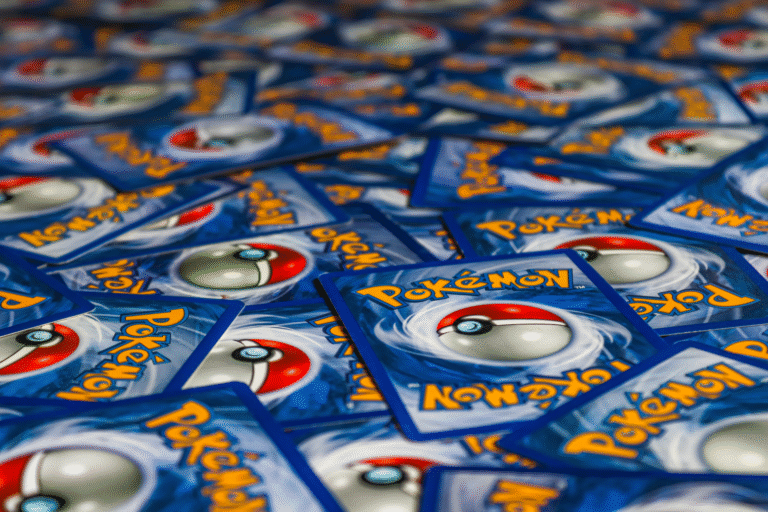
Pokémon TCG Pocket keeps the card game in daily conversation through deliberately engineered engagement mechanics that bring players back every single day. The mobile game, which surpassed 200 million downloads in May 2026, accomplishes this by combining the collectibility that draws people to physical cards with the accessibility of a smartphone app. When a player opens their phone first thing in the morning to claim their two free booster packs, that simple daily ritual creates a touchpoint that naturally extends into conversations—whether comparing pull rates with coworkers, discussing new card releases with friends, or streaming gameplay on social platforms.
The numbers reveal the scope of this sustained engagement: approximately 3 million players log in daily across iOS and Android platforms, a consistency that keeps Pokémon TCG Pocket in cultural conversation even between major expansion announcements. This differs sharply from the traditional card game, where casual players often collect sporadically or only during specific set releases. TCG Pocket’s design ensures that even someone who plays for just five minutes each morning becomes part of an ongoing community moment, constantly refreshed by limited-time events, new card variants, and social mechanics that reward daily participation.
Table of Contents
- What Makes Daily Login Systems Drive Conversation Around Card Collecting?
- How Event Structure and Limited-Time Content Keep Players Engaged Beyond Core Gameplay
- How Revenue Performance and Player Scale Create Market Relevance
- Why Daily Mechanics Drive Conversation in Collector Communities More Than Competitive Ones
- Limitations of Daily Engagement Systems and Player Burnout Risks
- How Social Features and Trading Mechanics Extend Daily Conversations
- Future Outlook and the Sustained Role of Mobile in Card Game Culture
- Conclusion
What Makes Daily Login Systems Drive Conversation Around Card Collecting?
The foundation of TCG Pocket’s conversational staying power is its daily booster pack system: every player receives two free packs per day, with strategic reasons to open them consistently. Unlike physical card purchasing, which requires spending money and planning around store trips, these free daily packs create a ritualistic behavior that players worldwide perform simultaneously. When the Pulsing Aura expansion launched in April 2026 featuring highly desired cards like Mega Lucario ex and Mega Sceptile ex, millions of players were opening packs daily specifically to hunt for those new additions, making the set a sustained topic of discussion for weeks rather than a brief release event. Daily mission systems amplify this effect further.
Players who complete daily objectives—whether catching specific pokémon, winning battles, or trading cards with friends—extend their engagement beyond the initial pack opening. Community Week events take this concept even further by integrating shared social goals: players earn rewards by collectively making friends, sharing cards, and participating in trades within a limited timeframe. This creates a sense of simultaneous participation that translates directly into conversation, as players across different regions coordinate to hit community milestones and discuss progress in real-time. The comparison to traditional card game engagement is stark: a casual Magic or Pokémon TCG player might visit a store once a month for a booster box, generate a conversation spike during that single interaction, then rarely think about the game until the next planned purchase. TCG Pocket players, by contrast, generate conversation every single day just by opening the app, creating a much denser web of ongoing discussion across gaming communities, social media, and friend groups.

How Event Structure and Limited-Time Content Keep Players Engaged Beyond Core Gameplay
Pokémon TCG Pocket maintains engagement through a calculated rotation of expansion sets and time-limited events that ensure fresh content arrives before player interest naturally declines. The paradoxical expansion (also called Paradox Drive), coming shortly after this article’s publication, will introduce Koraidon ex and Miraidon ex—powerful cards that players have been anticipating for weeks, generating sustained discussion through the interim period. This staggered release schedule ensures that the conversation cycle never fully closes; new cards are always on the horizon. However, this event structure creates a potential downside for casual or completionist players: the pressure to remain engaged daily intensifies when time-limited events offer exclusive rewards that cannot be obtained later. A player who takes a two-week vacation might miss out on event-exclusive card variants or achievement rewards that won’t return for months, if ever.
This FOMO (fear of missing out) drives consistent engagement but also frustrates a subset of the player base who experience the game as a daily chore rather than an enjoyable hobby. The game acknowledges this tension by rotating events, but players who miss their target card or variant miss the window entirely. Another structural element driving conversation is the introduction of cosmetic variants like gold frame flairs for rarity cards. After collecting 10 copies of the same card, players receive an automatic gold frame upgrade, which transforms the card’s visual appearance and signals investment to other players. This creates a new conversation angle: players discuss which cards are worth pursuing duplicates for, whether gold frames are worth the repetitive collecting, and how the cosmetic system incentivizes players to stay engaged beyond the core mechanic of collecting one copy of each card.
How Revenue Performance and Player Scale Create Market Relevance
The financial performance of Pokémon TCG Pocket directly amplifies its presence in card game conversations. The game accounts for nearly 37 percent of all in-app purchase revenue across the entire Pokémon IP in 2026, second only to Pokémon GO, making it a major revenue driver for The Pokémon Company. This investment-level success translates into visible company commitment: more frequent updates, higher-budget events, and higher-profile card releases flow into TCG Pocket with resources that traditional online TCG platforms like PTCGO (now PTCGL) don’t always match. With approximately 116 million cumulative downloads by January 2026 and an ongoing rate of roughly 3 million new installs monthly, the active player base continues expanding significantly.
This scale creates a self-reinforcing conversation cycle: as more friends and colleagues install the game, social pressure to keep up grows, which drives further installations and daily engagement. A player who initially resisted downloading the app might join specifically because their friend group is already discussing daily pulls and event progress. The comparison with other digital card games reveals TCG Pocket’s conversational dominance: Magic: The Gathering Arena and Marvel Snap generate engaged communities, but TCG Pocket’s free-to-play structure, lower barrier to entry, and integration with physical card nostalgia give it broader cultural penetration. Someone who last collected physical Pokémon cards ten years ago might return to TCG Pocket specifically because it carries that same emotional resonance without requiring a $15-20 investment per pack. This accessibility directly converts into conversation across age groups and demographics that traditional competitive TCGs don’t reach as effectively.

Why Daily Mechanics Drive Conversation in Collector Communities More Than Competitive Ones
Pokémon TCG Pocket’s design prioritizes collecting and casual play over competitive ranking systems, which shifts its conversational focus toward collecting culture. When players debate whether to spend real money on premium packs to complete a specific card set, or whether the cosmetic value of gold frames justifies hunting duplicates, they’re engaging in collector-focused discussions that feel approachable to casual players. This differs from competitive card games, where high-level strategy discussions often alienate players who don’t play at that skill level. The daily engagement mechanics naturally feed collector conversations because collectors inherently want to discuss their acquisitions and pulls. A player who opened a premium pack and pulled a full-art Vaporeon ex (added in the Pulsing Aura expansion) will instantly share that result in group chats and on social platforms.
Multiply that across millions of players daily, and you create an environment where Pokémon TCG Pocket naturally generates its own conversation, requiring no external marketing push. The tradeoff is that this collector focus can make the game feel repetitive for players seeking competitive depth. A player who enjoys the strategic elements of the physical TCG might find TCG Pocket’s gameplay loop shallow: open packs, view cards, claim daily rewards, repeat. The game excels at collector conversation but has not generated the same level of competitive tournament culture that might sustain engagement for hardcore strategy players. This design choice deliberately prioritizes broad, daily-conversation appeal over deep competitive scenes.
Limitations of Daily Engagement Systems and Player Burnout Risks
The daily login treadmill, while effective at driving conversation, creates a sustainability challenge for long-term player retention. Players who feel obligated to open the app every single day to avoid missing free packs or limited-time rewards often experience engagement fatigue. Unlike a traditional trading card game where a casual player can take months off with zero consequence, TCG Pocket’s daily mechanics create implicit pressure: skipping even one day means missing a booster pack that nobody will ever get back, which pushes some players toward compulsive behavior patterns rather than leisurely enjoyment. The social pressures embedded in Community Week events and shared milestones can also create negative dynamics within friend groups. A player who takes a few days off during a Community Week event might feel like they’ve let their friends down, as the collective reward progress slows slightly.
While the game frames this as shared positivity, it can devolve into social friction when players feel coerced into daily participation for group approval. Some players report feeling guilty about taking vacations or reducing play frequency during busy work periods. Additionally, the rotating expansion schedule means that late-joining players face a significant catch-up challenge. Someone who starts playing three months after the Pulsing Aura expansion launched has already missed thousands of free packs worth of cards from that set. While the game eventually cycles older content back into the store as purchasable cards, the window to acquire them free has closed, creating a subtle first-mover advantage for early players. This limitation potentially dampens conversation recruitment, as new players feel behind before they’ve even started.

How Social Features and Trading Mechanics Extend Daily Conversations
The social integration of TCG Pocket—particularly the ability to add friends, view their collections, and conduct trades—creates conversation touchpoints beyond individual collecting. When a player sees that their friend pulled a card they need and initiates a trade, that conversation often spills into messaging apps or voice chats, extending the game’s cultural presence beyond the app itself. The game’s integration of friend requests and community leaderboards ensures that engaging with TCG Pocket is fundamentally a social act, not just a solo collecting experience.
Trading mechanics specifically drive sustained conversation because they introduce negotiation and strategy: players discuss trade ratios, which cards hold more value, and whether specific trades are fair. The collectible variant system (including the new gold frame cosmetics) creates additional negotiation complexity, as players must assess whether a gold-framed card is worth more than a standard version of a rarer card. This transforms TCG Pocket from a simple app into a social platform where daily engagement directly connects to meaningful interactions with other players.
Future Outlook and the Sustained Role of Mobile in Card Game Culture
As TCG Pocket continues growing—with new expansions like Paradoxical arriving regularly and the active player base expanding monthly—the game’s role in keeping the card game in daily conversation will likely intensify rather than fade. The mobile platform has removed traditional barriers to card game participation: no travel required, no inventory management challenges, and no risk of physical cards being damaged or lost. For millions of casual players, TCG Pocket has become the primary way they engage with Pokémon cards, reshaping what “playing the card game” means in 2026.
The long-term question is whether TCG Pocket’s success will draw players toward the physical card game or cannibalize it. Early evidence suggests a mixed effect: some players use TCG Pocket as a testing ground before investing in expensive physical packs, while others find the mobile experience sufficient and skip physical collecting entirely. Regardless of which trend dominates, TCG Pocket’s daily engagement mechanics ensure that Pokémon card collecting remains a topic of sustained conversation across demographics and skill levels, fundamentally reshaping how the hobby sustains cultural momentum.
Conclusion
Pokémon TCG Pocket keeps the card game in daily conversation through a combination of deliberately designed mechanics—free daily packs, time-limited events, social integration, and cosmetic progression systems—that create reasons for millions of players to engage every single day. The game’s success in reaching 200+ million downloads and maintaining 3 million daily active players demonstrates that this approach resonates far beyond hardcore card game players, extending conversation to casual collectors, nostalgic former players, and social gamers who prioritize accessibility over depth.
The lasting impact of TCG Pocket on card game culture will depend on whether The Pokémon Company can sustain the content rotation, event quality, and community engagement that currently drive its daily discussion cycles. For now, the game serves as a proof of concept that card collecting can thrive on mobile platforms when designed around sustained daily engagement rather than episodic purchasing. Anyone tracking the card game industry’s trajectory cannot ignore the conversational and financial impact of a game that keeps tens of millions of players opening packs simultaneously every single morning.