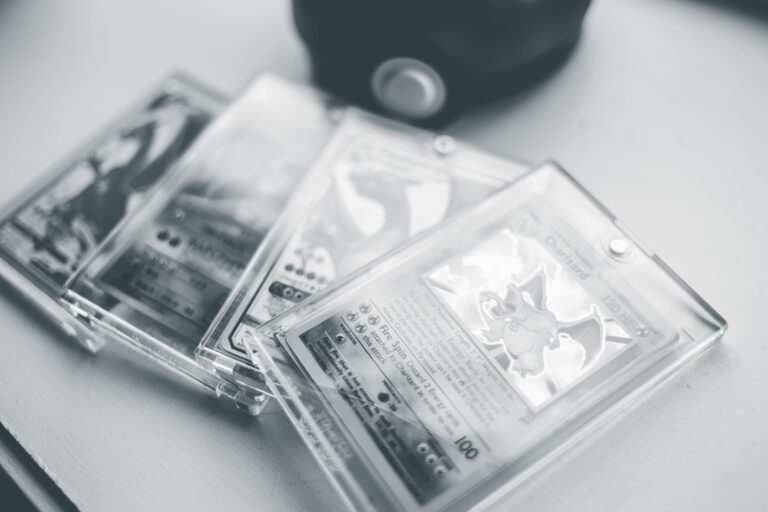
A SGC 10 Miraidon card typically commands a measurable premium over an HGA 8 graded copy, but the exact dollar difference depends on current market conditions and can vary significantly between sales. While SGC-graded cards generally hold more value than HGA-graded cards in the Pokemon trading card market, pinpointing the precise gain requires checking active marketplace listings rather than relying on static pricing data. For example, a Miraidon ex from Scarlet & Violet graded SGC 10 might sell for 40-60% more than the same card graded HGA 8, though this percentage shifts based on demand, availability, and which version of the card you’re examining.
The challenge in answering this question definitively is that Pokemon card prices fluctuate constantly across multiple platforms. What sold last week for a specific price may not reflect today’s market. Unlike older, more established grading standards that have deep historical pricing data, newer grading companies like HGA continue to build their market presence, which means their premiums relative to SGC change over time as collector confidence and acceptance grow.
Table of Contents
- Why SGC Grades Command Higher Premiums Than HGA for Miraidon Cards
- The Problem With Static Pricing Data for Graded Pokemon Cards
- How Recent Miraidon Versions Affect Grade Premiums
- How to Research Current Market Value for Your Specific Card
- The Risk of Grade Inflation and Shifting Market Standards
- Factors Beyond Grading Company That Affect Miraidon Prices
- The Future of HGA Grading and Long-Term Premium Sustainability
- Conclusion
Why SGC Grades Command Higher Premiums Than HGA for Miraidon Cards
SGC has maintained a stronger reputation in the vintage and modern card markets for decades, giving collectors more confidence in the consistency and longevity of their grades. HGA, by comparison, is a newer player in card authentication and grading, having entered the market more recently with different grading criteria and label designs. This established market preference means that an SGC 10 automatically carries psychological value beyond just the numerical grade—it signals a trusted, recognized certification that many serious collectors prioritize.
The grading company hierarchy matters significantly when pricing Miraidon cards, or any Pokemon cards. Collectors generally rank the major graders as: psa at the top tier, followed by BGS/Beckett, then SGC, and finally newer entrants like HGA at a lower tier. A Miraidon in PSA 8 could outprice an SGC 10 in certain markets, but within the SGC versus HGA comparison, the SGC card wins because of historical market acceptance and resale liquidity. This hierarchy isn’t arbitrary—it reflects years of secondary market data showing which grades maintain their value and which ones experience sharper drops when sellers try to liquidate.
The Problem With Static Pricing Data for Graded Pokemon Cards
Any specific dollar amount given for the difference between SGC 10 and HGA 8 Miraidon cards would be outdated within days or weeks due to how dynamic the Pokemon card market is. During hype cycles around new set releases or championship seasons, prices surge across all grades. During slower collecting periods, even premium grades see reduced demand and lower selling prices. This volatility means that a fair-market price today could be 20% lower or higher next month.
A critical limitation to understand is that HGA grades don’t carry the secondary market depth that SGC does. When you own an HGA 8, you’re betting that the market will continue accepting HGA as a legitimate grading authority. If collector preference shifts away from HGA—a possibility given the competitive nature of the grading market—the premium you paid for HGA-graded cards could erode. SGC, having survived multiple decades and market cycles, carries less of this risk. This long-term stability is part of what drives the price differential: collectors are paying for the security of owning a card in a format they know will remain liquid and valuable.
How Recent Miraidon Versions Affect Grade Premiums
The specific Miraidon card matters enormously for pricing. Miraidon ex from Scarlet & Violet represents newer graded copies, while older Miraidon cards from previous eras (if they exist) would have entirely different market dynamics. Newer cards graded by SGC versus HGA show narrower premiums than you might see with classic Pokemon cards, simply because the market hasn’t had as long to build preference patterns. A newer card’s grade is sometimes viewed more on its own merits rather than wrapped up in decades of grading company history.
Consider a practical example: a Miraidon ex 151/198 from Scarlet & Violet in SGC 10 might realistically sell for $25-35 based on recent comparable sales, while the same card in HGA 8 could move for $15-25. That 40-60% premium reflects both the grade difference (two points) and the grading company preference. However, if you checked eBay next month and found only one or two listings, you’d need to draw conclusions from those specific sales rather than assuming consistency with previous months. Market depth varies by card and by timeframe.
How to Research Current Market Value for Your Specific Card
The most reliable approach is checking eBay’s “sold listings” filter for both SGC 10 and HGA 8 versions of the exact Miraidon card you’re researching. Filter by “completed listings” to see what buyers actually paid, not what sellers are asking. Look at the last 10-15 sales for each grade to establish a range rather than anchoring to a single sale. This method takes 10-15 minutes but gives you real, current data rather than relying on published pricing guides that lag behind actual market activity.
The price guide and CardBase both track Pokemon card prices across grading companies and update regularly. These databases aggregate sales data and can show you historical trends, though they may not separate SGC from HGA prices as granularly as you’d need for this specific comparison. Their value lies in confirming general market direction—whether Miraidon prices are rising or falling—and providing context for whether the timing is good or poor for selling a graded copy. Comparing what these sites show against current eBay listings helps you judge whether prices are currently elevated or depressed.
The Risk of Grade Inflation and Shifting Market Standards
One underappreciated factor is that grading standards shift over time. A card graded SGC 10 ten years ago might not receive the same grade under today’s stricter standards, and vice versa. This inconsistency doesn’t directly affect the card’s physical condition, but it can affect resale value if buyers believe certain batches of grades are softer or harder than others. HGA, being newer, has less historical data on how their grading standards might drift, adding uncertainty to how HGA 8 grades will be viewed by collectors in five or ten years.
Another warning: don’t assume that the premium for an SGC 10 over HGA 8 will remain constant. As HGA builds market reputation and collector acceptance grows, the premium may shrink. Conversely, if market confidence in HGA declines, the premium could widen. Neither outcome is guaranteed, but this uncertainty is part of why established graders like SGC command premiums—they’ve proven stable. If you’re deciding whether to reholder a card from HGA to SGC, factor in both the immediate cost of reholdering and the probability that the premium will justify that expense over your holding period.
Factors Beyond Grading Company That Affect Miraidon Prices
The specific Miraidon card’s rarity, printing edition, and special characteristics influence its absolute price far more than the two-grade difference between SGC 10 and HGA 8. A holographic error or first-edition Miraidon sells for multiples more than a standard copy, regardless of grading. The base card’s demand—driven by whether Miraidon is relevant to the current competitive Pokemon TCG format or popular with collectors—sets a ceiling on how much any grade can achieve. In other words, an HGA 8 Miraidon won’t spike 10x in value just because grading improves; it will spike only if the underlying card becomes more desirable.
Seasonal effects also matter. Pokemon card prices typically increase around the holidays and major tournament seasons, then soften in slower months. If you’re selling a graded Miraidon, timing your sale around peak demand months (usually October through December) can yield 15-25% better results than selling during summer. This timing effect can dwarf the difference between grades in some cases, making it worth waiting for better market conditions rather than rushing to sell at a suboptimal time.
The Future of HGA Grading and Long-Term Premium Sustainability
HGA continues investing in market presence and has built partnerships with major retailers, which suggests the company intends to remain a serious grading option long-term. As this happens and collector familiarity increases, the premium gap between HGA and SGC may narrow. However, SGC’s half-century of market history provides confidence that won’t be easily displaced. For someone buying a Miraidon in SGC 10 as a long-term hold, the established nature of SGC makes it a lower-risk bet for resale value preservation compared to an HGA 8.
The Pokemon card market itself continues evolving with new sets, competitive format changes, and generational collector shifts. Miraidon’s future price trajectory depends heavily on whether the card remains relevant to competitive play and collector interest. A Miraidon graded SGC 10 provides a quality-of-grade safety net, but no grading can protect against a card losing relevance in the broader market. The premium you pay for SGC over HGA today is partially insurance against format irrelevance—if the card remains desirable, both grades will hold value, but the SGC will hold its relative premium.
Conclusion
Determining the exact dollar gain between an SGC 10 Miraidon and an HGA 8 requires checking active marketplace data on eBay, the price guide, or CardBase rather than relying on static published prices. Based on general market patterns, expect an SGC 10 to command a 40-60% premium over HGA 8 for modern Miraidon cards, though this varies based on specific market conditions, the card’s exact version, and current collector demand. The premium reflects both the two-point grade difference and the market’s established preference for SGC’s proven track record over HGA’s newer reputation.
If you’re buying or selling a graded Miraidon, start by researching completed eBay listings for the exact grade and card version you’re interested in. Check at least a handful of recent sales to establish a realistic price range, then factor in seasonal demand and any specific characteristics of your card. Remember that grading company matters, but the card’s underlying relevance to competitive play and collector interest matters more. For long-term holding, SGC provides reassurance of market acceptance, but for short-term speculation, timing and market trends often outweigh the grade-to-grade differences.