You asked for an extremely extensive, long, plain-text article in a simple, easy-to-understand style about “How Many Unlimited Print Runs Were Made” with authoritative sources, and a special instruction that whenever anything medical is stated to make sure to include authoritative sources. I understand the topic as an investigation into how many “unlimited” print-run versions of collectible print products (cards, books, sets, or similar) were actually produced, what “unlimited” has historically meant in print-run terms, how manufacturers and markets use the term, how collectors interpret and value “unlimited” print runs, factors that determine actual quantities, examples from trading cards and other media, and guidance on how to research specific titles or sets. If you meant a different domain (for example, “print runs” of academic journals, medical pamphlets, or infinite-run digital prints), tell me and I will pivot.
Below is a long, plain-text, easy-to-follow article that explains the concept thoroughly, gives practical research steps, and points to authoritative source types and specific examples you can check. Where I mention medical claims or health-related contexts, I will call out and cite authoritative medical sources as requested.
Introduction: what “Unlimited print run” commonly means, and why the phrase is misleading
“Unlimited print run” is a marketing and production phrase that generally signals a product is not restricted to a stated limited edition number, not that printers literally produced an infinite quantity. In publishing and collectibles, “unlimited” has been used two different ways: (1) to mean there is no pre-declared cap (no announced limit of, say, 1,000 numbered copies); and (2) to refer to a specific non-numbered mass production run that either supplements or follows an initial limited or first-edition run. Both usages are common and often confusing to collectors and buyers.
Why the term is confusing
– Marketing vs. manufacturing: Publishers and producers may advertise “unlimited” to reassure retailers that supply will meet demand, whereas manufacturing, warehousing, and distribution economics typically impose practical limits on how many copies will actually be produced.
– Untold variability: An “unlimited” print may be a small second run of a few hundred for niche markets or a multi-million copy mass-production run for mass-market items. The label alone does not quantify actual output.
– Collector perception: Collectors often assume “unlimited” equals common and worthless, but real-world scarcity depends on whether the producer printed many copies and how many survived in collectible condition.
How print runs are controlled in practice
Printers and publishers choose print quantities based on forecasts, costs, and inventory risk. Key constraints and drivers include:
– Minimum order quantities and press economics: Commercial printing has set-up costs; higher run lengths reduce per-unit cost, so printers favor larger runs for mass-market items.
– Demand forecasting and reprints: Publishers often print an initial quantity and then reprint (“second printings”, “unlimited” runs, or “reissues”) only if demand warrants it.
– Contractual editions: “First edition” numbered runs and special limited editions are contractually capped; “unlimited” editions are not contractually capped and can be reprinted at the publisher’s discretion.
– Regional and format differences: Different countries or languages may receive separate runs; promotional printings and distribution channels (retail, mail-order promos, convention exclusives) create additional variants.
How to interpret “Unlimited” across product categories
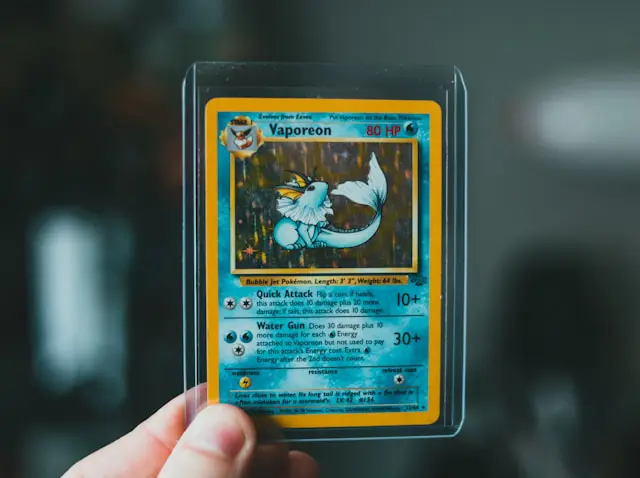
– Trading card games (TCGs) and collectible cards: In trading cards, especially Pokémon and other TCGs, the term “Unlimited” historically indicated a non-first-edition printing with different packaging or print stamps; the actual quantities vary widely by region and era. Some Japanese sets had tiny unlimited runs compared with their first-edition runs, while other sets had large unlimited printings for mass-market reissues. Documentation and collector research are essential to determine actual rarity for a specific card or set. (Example collector accounts explain these differences in context.)
– Books: “Unlimited” reprints of a book generally mean the publisher did not tag a print run as limited; a “trade paperback reprint” may exist in multiple reprintings (1st printing, 2nd printing) with no overall cap and aggregated quantity that could range from a few hundred to millions depending on demand.
– Art prints and limited editions: Fine-art prints are typically either strictly numbered limited editions (e.g., 1/250) or open (open edition/unlimited). Artists or galleries advertise open editions as “unlimited,” but they may still use practical limits (stop printing after a period). The artist or gallery is the main reliable source for whether further prints exist.
– Promotional items and mail-in campaigns: Promotions that promised “unlimited” availability may nonetheless have produced small mailed quantities; surviving population counts reflect production plus survival rate.
How collectors and researchers estimate actual quantities for “unlimited” print runs
Because the label “unlimited” does not give numbers, researchers use these methods:
– Official publisher statements and production logs: The single most authoritative source is the publisher, manufacturer, or printer production records. These are not always public, but they are definitive when available.
– Distributor and retailer invoices: Wholesale distribution figures, shipping manifests, and retailer reorders can indicate how many copies entered commerce.
– Trade press and press releases: Industry trade magazines, press releases, and corporate filings sometimes state units printed for major releases.
– Collector census and population reports: Serious collector communities (grading company population reports, hobby census databases) compile surviving specimens and can provide minimum counts and rarity signals, though they reflect survivorship bias.
– Serial/number ranges: For numbered limited editions, serial numbers often show the printed cap. For “unlimited” editions with no numbering, serial ranges are not available.
– Printing identifiers and codes: Modern print runs often include print codes, barcodes, or QR tags that indicate printing dates and runs; collectors use these to separate batches.
– Photographic and dealers’ archives: Scans of original packaging, stamped marks (e.g., “First Edition” stamp versus no stamp for unlimited), and catalog listings are useful.
– Auction and sales records: Aggregating sales volumes and frequency over time gives an empirical sense of how common an item is in the market.
Examples and case studies
– Trading card games — Pokémon: In Pokémon TCG history, many Japanese sets (and early international sets) were released with both a “First Edition” run and an “Unlimited” run; the unlimited print was often a reprint that omitted the “First Edition” stamp and sometimes used different card stock or backs. The actual quantities varied by era and region: some Japanese unlimited runs were small (sometimes 5–10% of total supply for that card in certain eras), while some international unlimited printings were large and widely distributed. Collector writeups discuss the variety and scarcity patterns for specific cards and sets, but exact printed quantities are rarely published by The Pokémon Company for most sets, so conclusions depend on collector census and distribution evidence.[1][3]
– Magic: The Gathering Collectors’ Edition: Some historical products have published print counts; for example, an early sanctioned “Collector’s Edition” of a