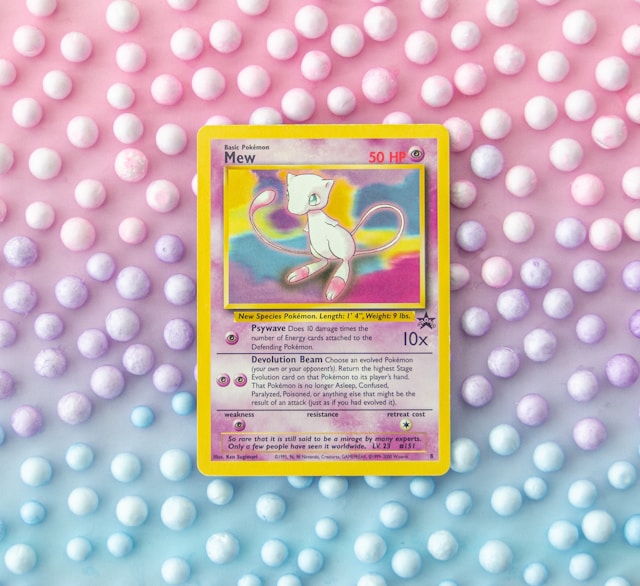
The 1st Edition Charizard from the Pokémon Trading Card Game is one of the most iconic and sought-after cards among collectors. Its popularity stems from its rarity and the nostalgic value it holds for many who grew up with the franchise. When it comes to grading these cards, companies like Professional Sports Authenticator (PSA) play a crucial role in verifying their authenticity and condition.
As of now, there isn’t a specific figure available for how many 1st Edition Charizards have been graded by PSA or other grading companies like Certified Guaranty Company (CGC) or Beckett Grading Services (BGS). However, we can look at the broader trends in card grading to understand the context.
In recent years, the demand for graded Pokémon cards has surged, with Pokémon leading the charge in non-sports trading card grading submissions. This surge is partly due to the growing popularity of competitive Pokémon tournaments and the increasing value of rare cards like the 1st Edition Charizard.
PSA is one of the leading grading companies, and it has seen significant growth in the number of cards it grades annually. For instance, in September 2025, PSA graded 1.55 million cards, which was a 6% decrease from August but a 32% increase year-over-year[1]. While this doesn’t specifically mention the 1st Edition Charizard, it indicates a strong demand for graded cards overall.
CGC, another major player, has also experienced substantial growth, particularly in the sports and trading card sectors. Its sports grading has historically been minimal but has seen explosive growth due to factors like PSA’s high prices and long turnaround times[2]. This shift towards CGC might influence how collectors choose to grade their cards, including rare Pokémon cards like the 1st Edition Charizard.
The quality control of graded cards is another important aspect. Some collectors have noted that the quality control seems to be getting worse, with some cards graded as perfect (PSA 10) despite having noticeable flaws[4]. This can affect the perceived value of graded cards and might influence collectors’ decisions on which grading company to use.
When considering the health impacts of collecting and grading cards, there isn’t much direct medical research. However, the psychological benefits of collecting can be significant. Collecting can provide a sense of community and accomplishment, which are important for mental health. According to the American Psychological Association, engaging in hobbies can reduce stress and improve mood. While this isn’t specific to card collecting, it highlights the broader benefits of engaging in activities that bring joy and fulfillment.
In terms of the financial aspect, the cost of grading cards can be substantial. For example, PSA’s pricing for bulk submissions has increased, with turnaround times also getting longer[2]. This has led some collectors to opt for other grading companies like CGC, which might offer more competitive pricing and faster turnaround times.
The market for graded Pokémon cards is complex and influenced by various factors, including demand for specific cards, the condition of the cards, and the reputation of the grading company. Tools like the Compare Tab on GoCollect allow collectors to compare sales data across different grading companies, helping them make informed decisions about their collections[5].
Overall, while we don’t have exact figures on how many 1st Edition Charizards have been graded, the demand for graded cards is high, and the market continues to evolve with changes in pricing, grading companies, and collector preferences. As the popularity of Pokémon cards persists, it’s likely that more collectors will seek to have their rare cards graded, further driving the growth of this market.