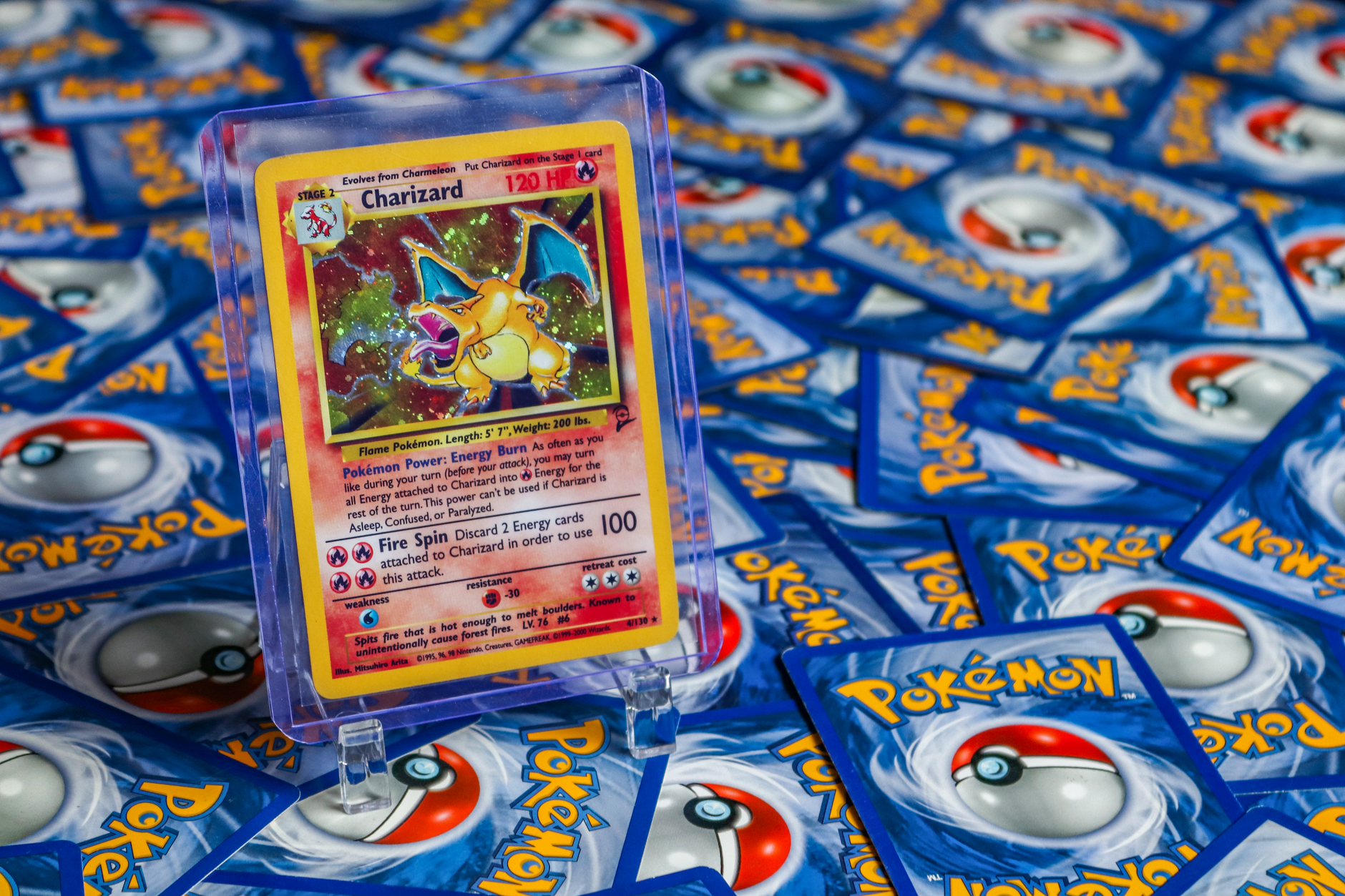
Card grading sharply increases Pokemon TCG resale value only when a card earns a top grade from a respected company. A slabbed Gem Mint 10 can sell for many times its raw price, while lower grades often lose money after fees.
Card grading means a third-party company authenticates a card, scores its condition, and seals it in protective plastic. Collectors pay premiums for that trust and condition certainty. Sellers must weigh grade odds, brand choice, fees, and card age before submitting.
Table of Contents
- What does a 10 require?
- How large is the PSA 10 premium?
- Does the grading brand change value?
- When does grading pay off?
What does a 10 require?
According to PSA in its grading standards, Gem Mint 10 means a virtually perfect card with four sharp corners, sharp focus, full original gloss, and no staining. Front centering must stay within about 55/45 to 60/40. That tight tolerance means slight off-centering alone can block a 10.
According to CGC, the top tier splits in two. Its Pristine 10 demands virtually flawless quality under 10x magnification with 50/50 centering. Its Gem Mint 10 allows about 55/45 on the front and 75/25 on the back.
How large is the PSA 10 premium?
According to Pokemon Card Scanner in its 2026 Pokemon research, a PSA 10 sold for a median 15.9 times the Near Mint raw price across 3,099 same-printing pairs. The sample covers 20 expansions and cards worth at least $5 raw. The premium applies to PSA 10s, not to graded cards in general.
The same dataset shows one grade point creates a resale cliff. A PSA 10 sold for a median 4.2 times its own PSA 9. Sellers who expect a 10 but receive a 9 keep only a small share of the possible premium.
Does the grading brand change value?
According to folio.fyi in its October brand comparison, the label itself moves price. A CGC Gem Mint 10 sold for a median 0.44x the PSA 10 price for the same card. BGS 9.5 sold for 0.60x, while ACE 10 sold for 0.71x.
Ultra-high grades can beat PSA 10, but they are rare. According to folio.fyi, Beckett Pristine 10 sold for 1.53x PSA 10 across 96 cards. Beckett awarded a 10 to a median 0.6% of copies graded, so buyers pay for scarcity as well as condition.
When does grading pay off?
According to TCGinvest in its June grading-economics analysis, age decides most outcomes. Using 180 days of sales, a modern post-2022 PSA 9 sold for less than raw plus a $19 fee 90% of the time. For cards from 2010 or earlier, that happened only 4% of the time.
Fees and waiting time raise the bar further. According to folio.fyi, cheapest open tiers were about $59.99 for PSA Standard versus $17 bulk for CGC. Submit only vintage or high-value modern cards with strong 10 potential, and sell uncertain low-value modern cards raw.
You Might Also Like
- What Pokemon TCG Cards Are Worth Grading Before Year End?
- Why Is PSA Grading So Central to Pokémon Card Values?
- Should You Index Funds or Pokemon TCG Cards for Long-Term Gains?