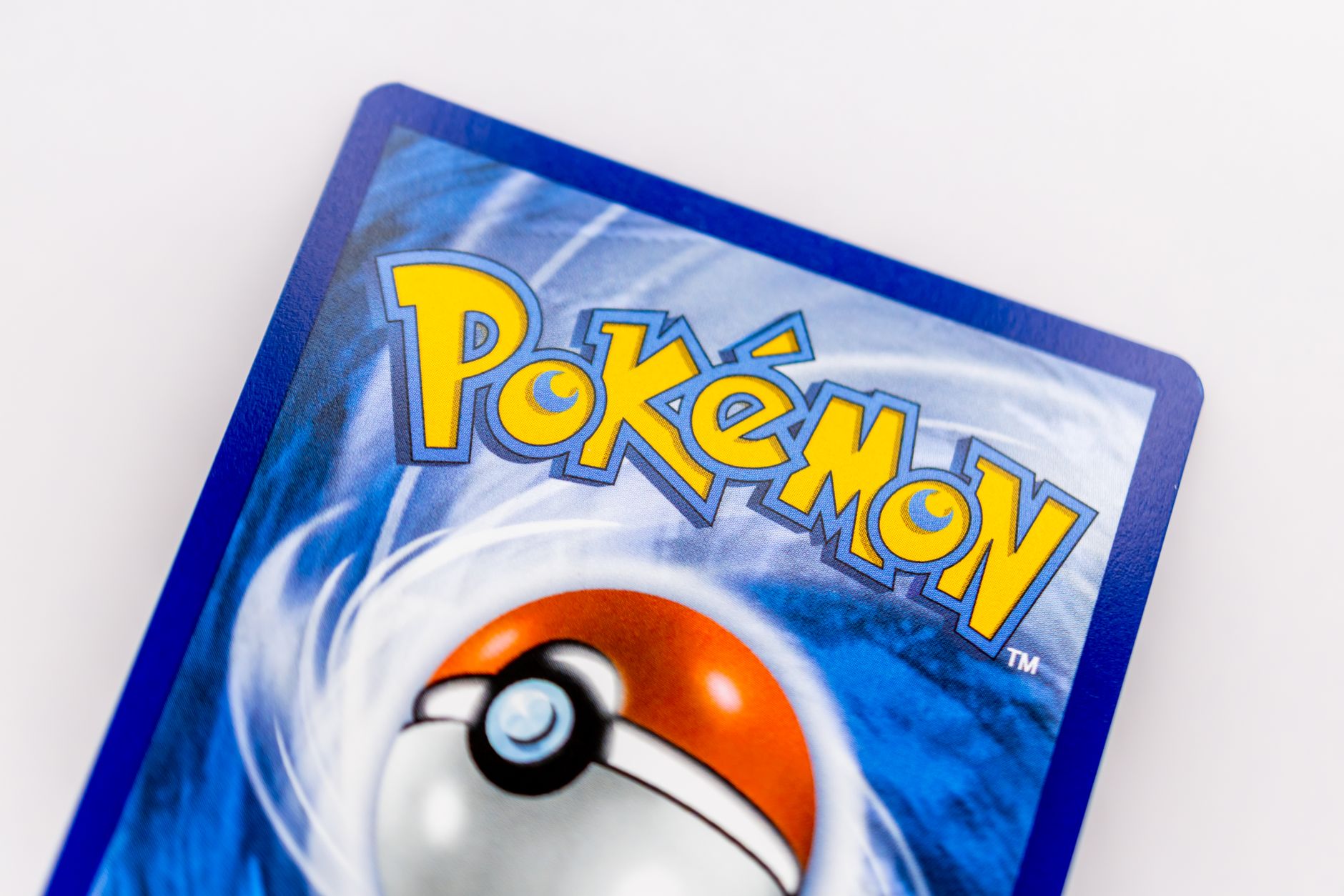
You invest in Pokemon cards Reddit collectors discuss by buying sealed product and high-condition singles and holding them for years. You focus on authenticity, gradeable condition, and liquidity instead of chasing hype. Investing here means treating cards as long-term collectibles that may hold or gain value. Reddit refers to community forums where collectors share buying habits, storage tips, and mistakes to avoid.
Table of Contents
- What approach do collectors describe most?
- Which cards get the most attention?
- How do you buy without overpaying?
- How do you store cards for the long term?
- What risks should you accept first?
What approach do collectors describe most?
Collectors often describe a buy-and-hold approach built around patience. They buy items they can store safely and sell later if demand remains. Sealed booster boxes, elite trainer boxes, and graded vintage singles come up often in strategy talk.
These formats are easy to verify, easy to store, and easy to list later. Singles require more study because playability, artwork, rarity, and print quality all affect interest. Sealed product is simpler for beginners because the box itself signals completeness and original condition.
Which cards get the most attention?
Discussion tends to center on starter Pokemon, popular legendaries, and chase cards with low pull rates. Holographic rares, alternate art, and first-edition style markings draw extra scrutiny. Graded cards get attention because a professional grade gives buyers a shared language for condition.
A clean, centered card in a sealed slab is easier to price than a raw card with edge wear. Collectors also watch set completeness and character popularity. A beloved Pokemon on a well-printed card often stays easier to trade than a stronger game card with less fan appeal.
How do you buy without overpaying?
Start with a clear budget and a short want list. Decide whether you want sealed items, raw singles for grading, or already graded cards.
Take your time when a release feels rushed. Reprints and restocks can cool short-term spikes, so patient buyers often find calmer prices.
- Compare sold listings across several sellers before you bid
- Check seller feedback, return terms, and card photos
- Ask for close-ups of corners, edges, and centering
- Avoid bulk lots advertised as containing hidden gems
- Keep receipts and tracking for every purchase
How do you store cards for the long term?
Condition drives collectible interest, so storage is part of the investment. Handle cards by the edges and sleeve them right away. Use penny sleeves, rigid top-loaders or semi-rigid holders, and sturdy boxes for raw cards.
Store sealed boxes upright in a cool, dry place away from sun, heat, and moisture. For higher-value singles, many collectors use professional grading to lock in condition and authenticity. Grading adds cost and wait time, so reserve it for clean, desirable cards.
What risks should you accept first?
Pokemon cards are collectibles, not guaranteed assets. Demand can shift with new sets, changing tastes, and wider economic pressure. Fakes, resealed packs, altered cards, and misleading listings are real hazards.
Learn the feel of real cardboard, check print texture and fonts, and buy sealed product from trusted sellers. Liquidity is another limit. A rare card can be hard to sell quickly at full interest without the right buyer, photos, and reputation. Only commit money you can leave tied up for years.
You Might Also Like
- How Do You Invest in Pokemon Cards Right Now for 2027?
- What Should You Know Before Investing Pokemon Cards for Christmas Gifts?
- Should You Invest in PSA 10 Charizard Cards This Winter?