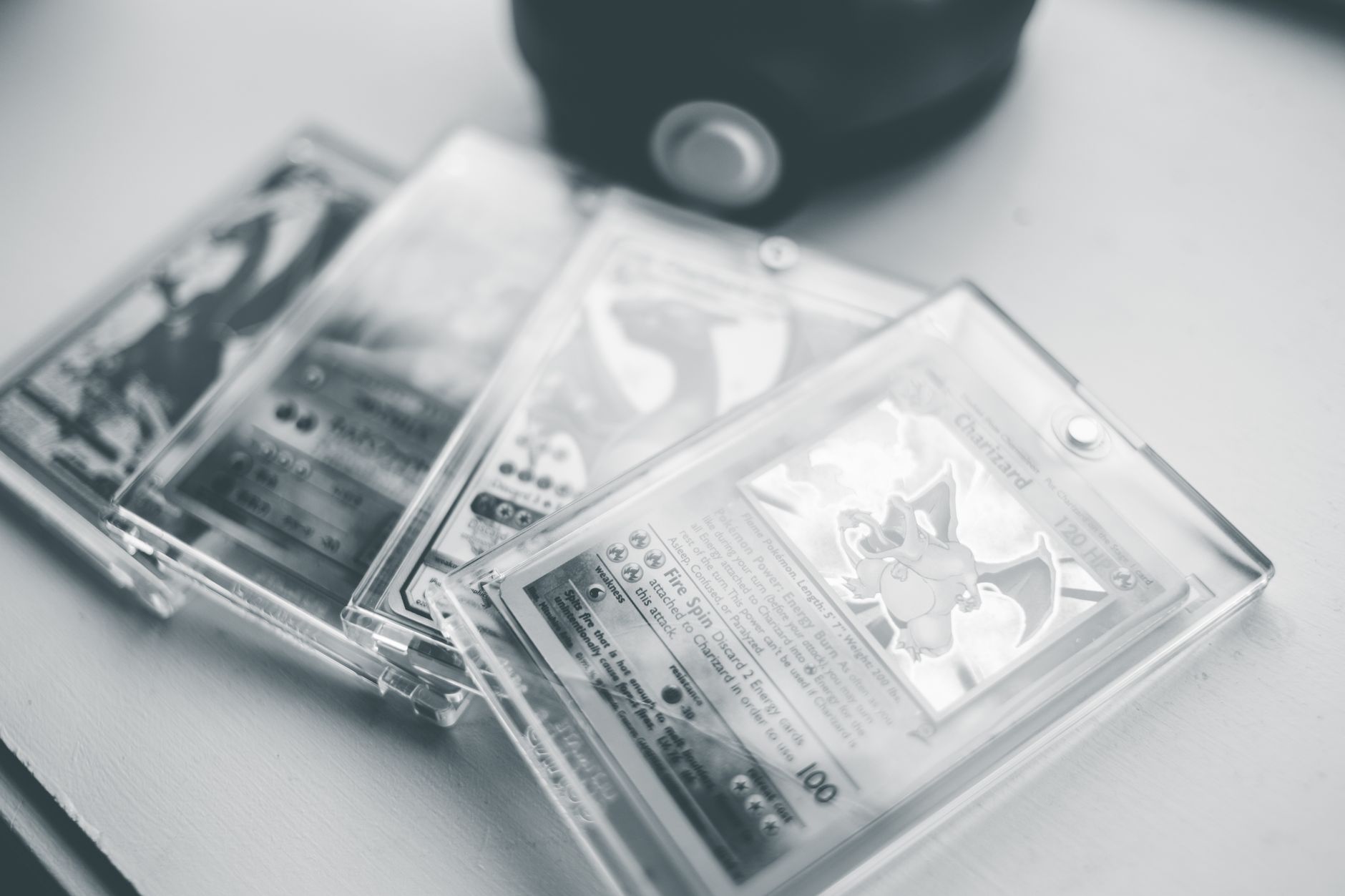
Condition sets Japanese booster box price by deciding buyer trust in sealed, unopened packs. Mint sealed boxes earn full price, damaged boxes sell for less, no-shrink boxes trade at a discount, and high graded boxes earn large premiums.
A Japanese booster box is a factory-sealed display box of Japanese Pokemon packs for collectors and players. Miraj Trading reports standard Japanese boxes hold 20-30 packs of 5 cards pack-count guide. Main sets hold 30 packs and High Class holds 10, versus 36 larger packs in English, so each Japanese pack carries more sealed value.
Table of Contents
- Why does no shrink sell for less?
- How does visible wear cut value?
- Does sealed grading raise value?
- Why do average prices mislead?
Why does no shrink sell for less?
JapHunter describes Japanese boxes sold as No Shrink as factory-sealed with an intact pull-tab No Shrink listing. The packs and pull rates match a wrapped box.
Buyers pay for certainty. Without shrink, they cannot verify handling at a glance. That doubt lowers bids even when odds are unchanged.
How does visible wear cut value?
eBay defines New/Factory Sealed as brand-new, unused, unopened and undamaged condition details. That standard sets the bar for full price.
On eBay, sellers add No dents/dings/tears to prove mint condition. Others must disclose Box Damage. Visible wear forces a clear discount or slower sale.
Does sealed grading raise value?
PSA authenticates unopened packs by checking seal integrity. It assigns a grade on its 10-point scale only after the pack passes as authentic with its original seal intact. PreGradeCards models a $150 modern box at $450 in PSA 10, $250 in PSA 9, and $175 in PSA 8 sealed-product grading guide.
Fees run about $100, so lower grades leave thin profit. ComicBook, reporting a Heritage Auctions sale, notes a pristine 1996 Japanese Base Set sealed box sold for $137,500. It topped the prior $125,000 record for that box. That box held 60 packs, nearly double English's 36.
Why do average prices mislead?
PriceCharting tracks Japanese sealed boxes from eBay titles such as NEW Factory Sealed. Sale photos sit behind paid Time Warp, so public averages mix mint, no-shrink, and damaged boxes. Buyers must open listing photos before trusting the average.
Focus on same-condition matches, not the headline number. Sellers should photograph seals and corners to earn full value. Clear seal and corner photos reduce disputes and support a higher asking price.
- Check pull-tab, seals, corners, and edges in photos.
- Compare shrink versus no-shrink versus damaged sales separately.
- Ask about dents, tears, and storage wear before bidding.
You Might Also Like
- How Condition Changes the Pokemon TCG Price of Unlimited Booster Boxes
- Opening vs Keeping Japanese Booster Boxes Sealed: A Pokemon Collector Framework
- Japanese Booster Boxes: How to Check Current Pokemon TCG Market Value