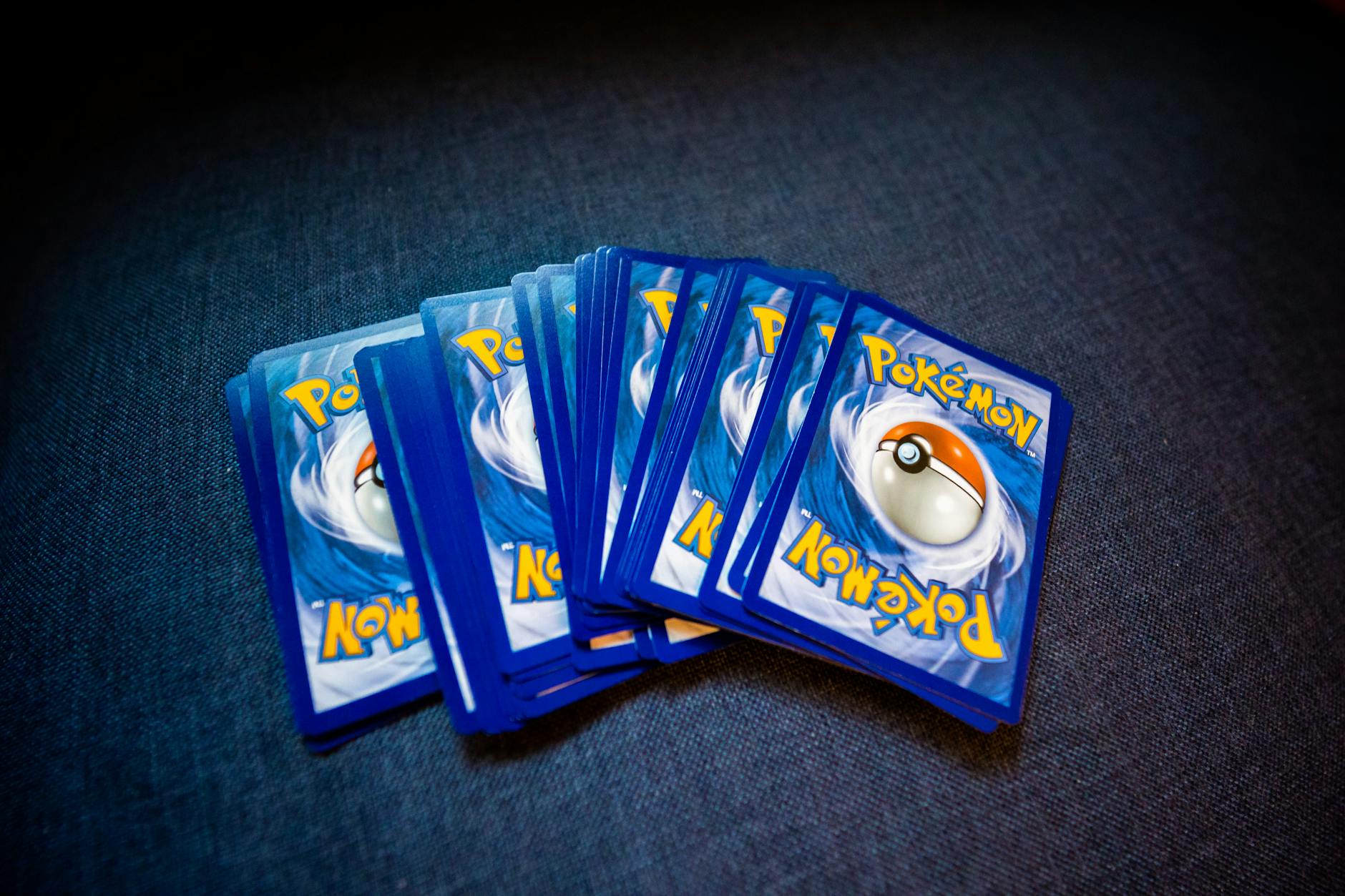
Despite manufacturing 10 billion Pokémon cards in the 2025-2026 fiscal year alone—the highest production volume in company history—The Pokémon Company still couldn’t meet global demand. The math seems impossible: 10 billion cards, available in 16 languages across 90+ countries, yet store shelves remain sparse and pricing on the secondary market refuses to normalize. The reality is simple but sobering: demand has grown so explosively that even record-breaking production runs look inadequate by comparison. When a single fiscal year’s output represents 11.76% of all Pokémon cards ever printed in the franchise’s 30-year history, you’re looking at a supply-demand disconnect of historic proportions.
This isn’t a shortage born from underestimation or complacency. The Pokémon Company has been operating at maximum production capacity since early 2025, with factories running 24/7 to churn out as many cards as possible. Yet despite this full-throttle approach, booster boxes still vanish from retailers within hours, secondary market prices remain significantly above MSRP, and collectors continue reporting difficulty finding product at retail. The system is broken not because of a lack of effort, but because the fundamental appetite for Pokémon cards—whether from collectors, investors, or casual buyers—has simply outgrown what the industry can physically manufacture.
Table of Contents
- Why 10 Billion Cards Represents Exponential Growth, Not Market Satisfaction
- The Reseller Machine and Why Retail Shelves Stay Empty
- Manufacturing Bottlenecks and Operating at Maximum Capacity
- How the Demand-Supply Mismatch Affects Collector Strategy
- Secondary Market Pricing Remains Elevated Despite Record Production
- The New Manufacturing Facility and Timeline for Relief
- What 10 Billion Cards Tells Us About Pokémon TCG’s Future
- Conclusion
Why 10 Billion Cards Represents Exponential Growth, Not Market Satisfaction
To understand how 10 billion cards could fail to meet demand, you need to grasp the acceleration in pokémon TCG production over the past four years. Between 2022 and 2026, The Pokémon Company printed approximately 50% of all cards ever produced in the franchise’s 30-year history. Put another way: half of everything printed since 1996 came out in just four years. This isn’t gradual growth—it’s exponential scaling. The 2025-2026 fiscal year alone (March 2025 to March 2026) saw 10 billion cards leave production facilities, compared to roughly 8-9 billion the previous year.
Each year’s production has been trying to capture an ever-larger slice of market demand, and each year’s records get broken within 12 months. Yet despite this acceleration, lifetime production hitting 85+ billion cards globally, and prices remaining elevated across all major product categories, the market still reports undersupply. This paradox reveals something critical: the demand curve didn’t just shift upward—it moved in ways the industry didn’t anticipate. The explosion stems from multiple sources: casual players wanting to return to the TCG after years away; investment-focused buyers treating sealed product as an asset class; international markets (particularly Asia) entering the collector base in unprecedented numbers; and social media creating visibility that drives new interest faster than manufacturing can respond. When all these groups converge on the same limited resource, even doubling or tripling production year-over-year feels insufficient.

The Reseller Machine and Why Retail Shelves Stay Empty
The 10 billion figure reveals the core problem: most of those cards never reached collectors who wanted to open and enjoy them. Instead, a significant portion went directly into the hands of resellers, investors, and scalpers who purchase booster boxes, cases, and elite trainer boxes with the goal of holding inventory until scarcity drives prices higher. This market dynamic means that while The Pokémon Company shipped billions of cards, those cards didn’t flow to retail in a way that made them accessible at MSRP. A booster box hitting a store shelf at $144 gets purchased immediately—not by someone cracking packs for fun, but by someone buying six boxes to put in storage.
One concrete limitation this creates is the two-tier market system: official retail (rare and fleeting) and secondary market (abundant but expensive). A standard booster box that retails for $144 often sells on secondary markets for $180-220, sometimes more. This premium exists precisely because manufactured supply at retail price doesn’t match demand at retail price. The Pokémon Company can print 10 billion cards, but if those cards flow through wholesale distributors → brick-and-mortar retailers → reseller buyers within hours, collectors looking to buy a single booster box at MSRP find themselves constantly behind. This is the structural problem 10 billion cards still couldn’t overcome.
Manufacturing Bottlenecks and Operating at Maximum Capacity
The Pokémon Company has publicly stated it’s been operating at maximum capacity since early 2025, meaning every printing facility the company uses worldwide is running at full output. This is crucial context: the 10 billion cards isn’t a conservative estimate or an underutilized target—it represents what the entire existing manufacturing infrastructure can produce when pushed to its limit. There’s no spare capacity sitting idle waiting to be activated. The company is already squeezing every unit possible from its facilities. This explains why relief won’t arrive quickly.
Millennium Print Group, one of the major manufacturers, is currently building a 1.27 million square foot facility expected to become operational by the end of 2028. This new facility is projected to approximately double production capacity. That’s nearly three years away. Until that facility comes online and scales up to full production, the industry remains structurally constrained. Even with the new facility, The Pokémon Company will only be capable of printing roughly 20 billion cards annually—still potentially below demand if the growth curve continues upward. The gap between today’s maximum capacity and market demand won’t close until 2028 at the earliest, and even then, it’s unclear whether 20 billion annually will prove sufficient.

How the Demand-Supply Mismatch Affects Collector Strategy
For collectors and investors trying to navigate this environment, the 10 billion printing presents both risk and opportunity. On one hand, cards are being produced at historical volumes, meaning the pool of future supply is larger than ever. This matters for vintage-card investors, as it means most modern-era cards won’t have the rarity multiplier that older sets command. A first-edition Base Set booster box can command six figures because only 200-300 booster boxes exist in the world. A 2025-2026 booster box, despite being produced in unprecedented volume, may never achieve comparable scarcity premiums.
On the other hand, the current environment rewards buyers who can access cards at retail rather than secondary market prices. The opportunity cost is significant: the difference between buying five booster boxes at $144 MSRP versus $200 secondary market pricing is $280 per booster box, or $1,400 total on that five-box purchase. Collectors with MSRP access through local stores, pre-orders that execute at face value, or connections to distributors save material amounts. The tradeoff is time: hunting for retail availability requires persistence, luck, and sometimes waking up early to catch online restocks. Many collectors choose to pay the premium and accept secondary market pricing simply for convenience.
Secondary Market Pricing Remains Elevated Despite Record Production
The pricing puzzle deepens when you consider what should happen in a functioning commodity market: supply increases, price decreases. Yet despite 10 billion new cards entering circulation, secondary market prices for sealed product have remained stubbornly elevated through 2026. A case of booster boxes (six boxes) that might have sold for $850 at retail in early 2025 still commonly sells for $1,100-1,200. This suggests that demand growth is matching or exceeding supply growth, which is the economic definition of a supply-constrained market. A critical limitation here is visibility and trust.
The secondary market includes counterfeit and damaged product, and not all resellers are reputable. A booster box sold by an unknown seller at a $50 premium carries counterfeiting risk, especially for higher-value sets. This friction means some percentage of buyers who would purchase at secondary market pricing instead abstain, reducing apparent demand. Yet prices haven’t collapsed, implying that the buyers willing to pay the premium and accept the risk still exceed the supply of product at retail. The warning for collectors is simple: if you’re buying sealed product at secondary market pricing, you’re paying a premium that reflects ongoing undersupply. That premium may or may not compress once the 2028 facilities come online.
The New Manufacturing Facility and Timeline for Relief
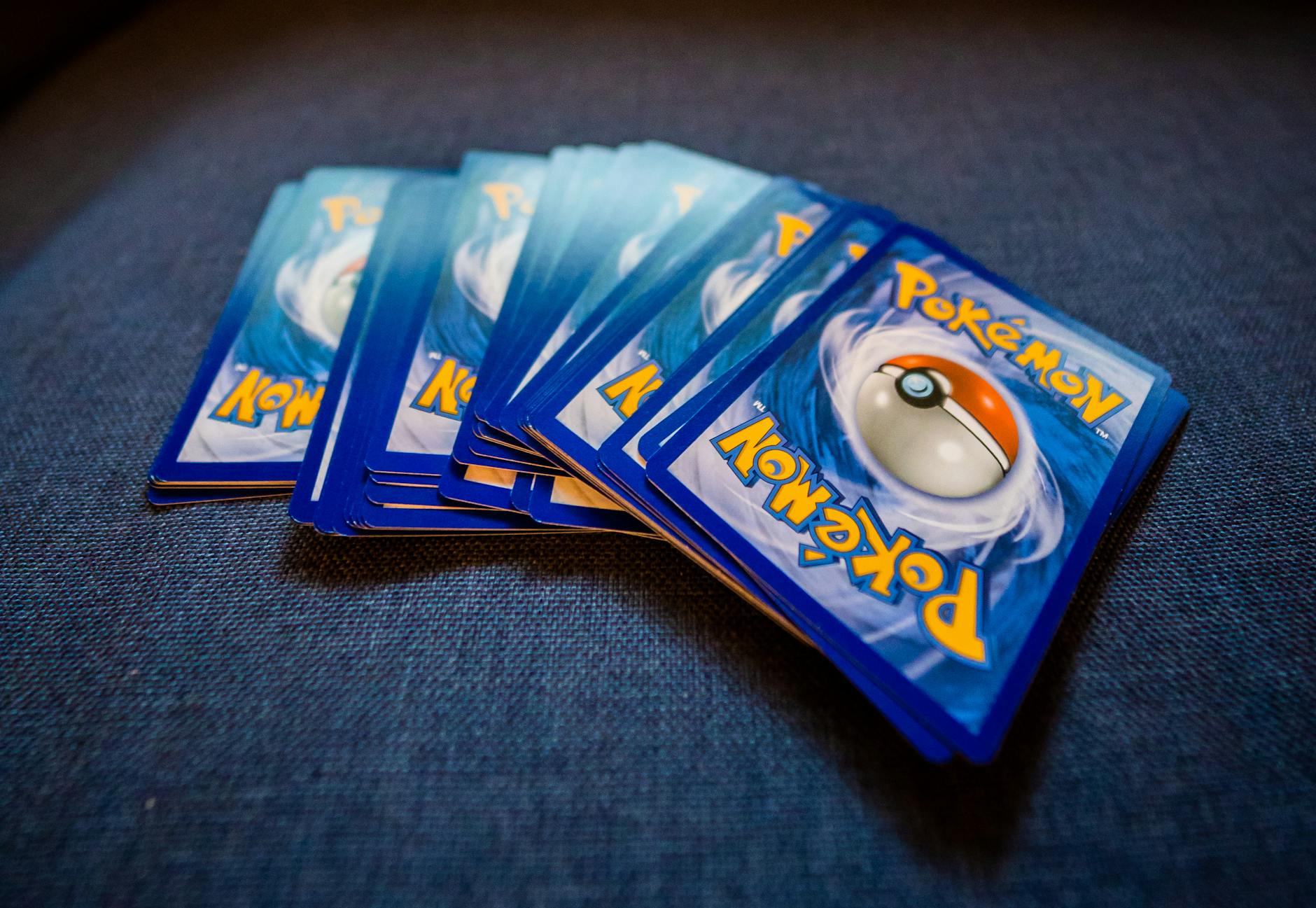
Millennium Print Group’s commitment to build a 1.27 million square foot manufacturing facility is a concrete step toward supply relief, but timelines matter enormously. The facility is expected to be operational by late 2028, meaning production won’t begin until 2028-2029 at the earliest. Ramping to full capacity typically takes months or quarters, not days. A realistic expectation is that the facility contributes meaningfully to supply sometime in 2029 or 2030.
This means the 10 billion card problem—record supply failing to meet demand—will persist through the end of 2027 and likely into 2028. The intended capacity increase (doubling production) assumes demand remains stable or grows linearly. If demand continues accelerating, even a doubled capacity might prove insufficient. The facility represents hope but not certainty. Collectors should prepare for continued supply constraints through 2028.
What 10 Billion Cards Tells Us About Pokémon TCG’s Future
The fact that 10 billion cards printed in a single year still failed to meet demand is a watershed moment for the TCG. It signals that the franchise has crossed from supply-limited to demand-constrained at a scale that even aggressive manufacturing increases can’t immediately fix. The Pokémon Company is responding—building new facilities, maximizing existing capacity, and expanding language and regional coverage. But the math is unfavorable in the near term: growing to meet demand takes years, and demand can shift faster than manufacturing capacity can scale.
Looking forward, the question isn’t whether supply will eventually increase; it will. The question is whether 20 billion cards annually (the estimated capacity once new facilities come online) will prove sufficient by 2029-2030, or whether demand will have grown further, creating a new gap. The 10 billion benchmark tells us the franchise has entered a new era of scale. But it also confirms that even historically aggressive production runs aren’t enough to satisfy the current global appetite for Pokémon cards.
Conclusion
Ten billion Pokémon cards printed in the 2025-2026 fiscal year represents a staggering volume—11.76% of all cards ever produced in the franchise’s history came from this single year. Yet despite this record output, the market remained supply-constrained, with booster boxes vanishing from retail shelves, secondary market premiums persisting, and collectors struggling to purchase product at MSRP. The failure isn’t due to insufficient effort; The Pokémon Company has been operating at maximum manufacturing capacity since early 2025, running every facility it controls at full output. The failure is structural: demand simply exceeds what’s physically possible to produce with current manufacturing infrastructure.
Relief is coming, but not immediately. Millennium Print Group’s new facility, expected online by late 2028, will approximately double production capacity. Until then, collectors should expect continued supply challenges, elevated secondary market pricing, and limited retail availability. For those with access to MSRP pricing, the advantage is significant. For everyone else, the next two years will likely feel as constrained as 2025 and 2026.
You Might Also Like
- Why PSA 8 Base Set Holo Cards Still Look Affordable After the 2021 Pokémon Peak
- Are Unlimited Base Set Charizard Cards Still Undervalued After Pokémon 151 Released?
- Why Unlimited Base Set Charizard Cards Still Look Affordable Since 2016