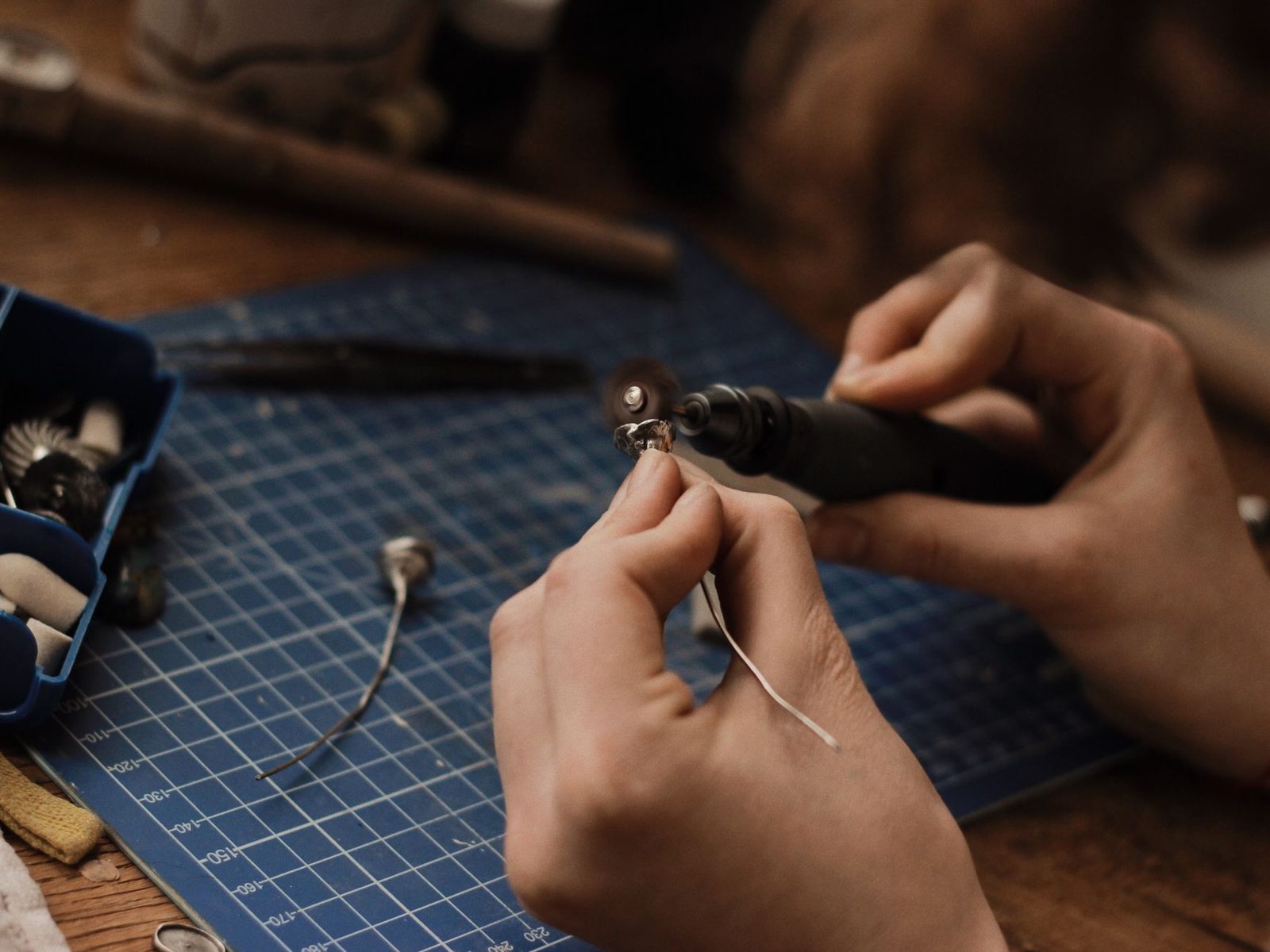
The difference between a crossover and a crack and resubmit is who carries the risk of a lower grade: in a crossover the old slab stays sealed unless the card earns the grade you set, while cracking the slab yourself ends the old grade the moment the case opens, before anyone has graded the card again. At PSA the fee is the same tier price either way, so the real choice is about risk, not cost.
PSA does not publish a service that cracks a rival’s slab and grades the card raw for you. If you want a card out of its case and in front of a grader as a bare card, the only route is to open it yourself.
As of October 23, 2026: PSA crossovers and raw submissions both cost the tier price, from $59.99 at Standard; CGC charges its tier price for crossovers, Economy being $20; TAG takes only raw cards and runs no crossover service at all.
Crack and resubmit vs crossover, side by side
| Crossover | Crack and resubmit raw | |
|---|---|---|
| Who opens the slab | The grader, and only if the card meets the bar | You, before grading |
| If the new grade is lower | Card returned in its original holder (PSA, CGC) | You keep the lower grade, or an ungraded card |
| Old label and certification | Survive a miss | Gone as soon as the case is broken |
| Physical risk to the card | Handled by the grader’s staff | Your tools, your hands |
| What the grader sees | The card through plastic | The bare card |
| PSA fee | Tier price, charged on a miss too | Tier price |
| Available for TAG | No; TAG has no crossover service | Yes; TAG requires raw cards |
Does PSA offer a crack and resubmit service?
Not as far as PSA publishes. PSA’s grading menu on October 23, 2026 lists Crossover, Review and Reholder next to raw grading. Crossover is graded through the existing case; Review re-examines cards that PSA itself slabbed; Reholder is a new PSA case for a PSA card. None of them is a service where PSA opens another company’s slab and grades the card bare.
So “crack and resubmit” at PSA is always something the owner does at home before sending a raw card. PSA has not described that as a service, and its pages do not tell you how to open a rival’s case.
Beckett is the partial exception. Its archived 2025 FAQ describes a review of other companies’ slabs in which Beckett itself removes the card when it is confident of your minimum, and adds a $3 cracking fee per card when it does. That is still a crossover in structure: the grader decides before opening.
What you give up the moment you crack a slab
The grade, permanently
A label is only meaningful attached to the case it was printed for. Once you break the case, the card is raw again. If the resubmission comes back lower, there is no way to return to the old number; with a crossover, the old number is what you keep on a miss.
The guarantee that came with the slab
Grading guarantees are written around a graded card. PSA’s FAQ says its guarantee is that cards “shall be graded in accordance with PSA grading standards and under the procedures of PSA”, and goes on to describe buying back or refunding a card whose PSA grade no longer holds. A raw card has no grade for that promise to attach to. Once out of its case, the card is covered by whatever the next grader issues, and by nothing in between. Our older guide on what opening a PSA holder changes goes through this in more detail.
Proof the card was ever graded
Slabs are built to show tampering. PSA describes its own cases as sonically sealed and tamper-evident, and its FAQ explains that an attempt to violate the holder will leave evidence. That is exactly why a broken case cannot be passed off as intact, and why the old certification stops vouching for the card once it is out.
The physical risk of cracking a slab
Opening a sealed case means applying force near a card that is worth what it is worth because it has no flaws. A slipped blade or a crack that runs the wrong way can put a dent in an edge or a scratch across a holo surface, and that kind of damage cannot be undone by any grader. We do not publish a method; our older piece on opening a graded slab safely covers the precautions collectors describe.
There is also a quieter risk that applies to both routes. Beckett’s archived FAQ notes that “a flaw may be completely hidden by the existing holder”. Cracking it yourself means you discover such a flaw after the old grade is already gone. In a crossover, the grader takes that risk on its side of the decision.
What cracking buys you
Cracking is not irrational. Collectors who do it usually cite one of these reasons, and each is real.
- The grader sees the bare card. A crossover is graded through plastic, which can hide a flaw or soften one. A raw submission gets the same look as any other raw card.
- Some companies take only raw cards. TAG says it will not accept cards in other companies’ slabs; everything must arrive in a semi-rigid holder and penny sleeve. For TAG, cracking is the only path.
- No minimum-grade gate. A crossover can only go where the minimum allows. A raw card simply gets whatever grade it earns, which some owners prefer for a card whose current grade looks undercooked.
- Crossover has not always been available. PSA suspended its crossover service in 2021, according to an entry dated 3/18/21 in its communications log. During a pause like that, a raw resubmission is the only way into a PSA holder.
Cost: the same at PSA, different elsewhere
PSA’s crossover page says the grading price applies, and the same price list covers raw cards. A card in the Standard value band costs $59.99 per attempt by either route, and a card valued in Express territory costs $199.00 by either route.
The difference shows up when results disappoint. Two crossover attempts on a card that never crosses cost 2 × $59.99 = $119.98 at Standard and leave the original slab intact. A cracked card that grades lower costs one fee, but the loss is the price gap between the old grade and the new one, which can be far larger than any fee. These are our worked figures on PSA’s published prices, before shipping and insurance.
At CGC the crossover is also charged by tier, and a miss returns the card in its original case with the full fee due. Our CGC crossover guide has the tier list.
How big the grade risk is next to the fee: one real example
Fees are easy to see; the grade risk is not, so here is a dated pair of sales. An Unlimited Base Set Charizard graded PSA 9 brought $3,386 at Goldin in an auction ending 8/16/26, while a PSA 8 copy of the same card brought $1,708 in an auction ending 9/13/26. Both prices include Goldin’s buyer’s premium, and they are single sales, not market rates.
The gap between those two sales is $1,678 by our arithmetic. Picture an owner who cracks a slab hoping for a PSA 9 and gets a PSA 8 instead: the fee is the small part of that outcome. The same card sent as a crossover with a minimum of 9 would either have crossed at 9 or come back in its old case, with only the tier fee spent.
That is the asymmetry in one line. A crossover’s worst case is a fee you can read off a price list. A crack and resubmit’s worst case is a one-grade drop, plus any damage done opening the case, priced at whatever the market says that day.
Questions to ask before you crack
- How much of the price is the label? Compare recent sales of the card in its present grade with raw copies. If the current label adds little over a raw copy, cracking risks little. If the label is most of the value, a crossover protects it.
- Would a crossover even be accepted? PSA does not publish which holders it takes; CGC lists PSA, Beckett and SGC. TAG takes none.
- What grade are you hoping for, and would you take one lower? If the honest answer is that only the higher grade will do, a crossover with that minimum is built for you.
- Can the card survive the opening? Thin edges and vulnerable holo surfaces raise the stakes of a slip.
- Is the card already in a PSA slab? Then neither route applies; PSA’s Review service re-examines cards in their current PSA holders and leaves the original label in place if nothing changes.
Our PSA crossover explainer covers how to set a minimum grade, and the slab-comes-back-unopened scenario has its own page, failed crossovers explained. For an earlier take on the same choice, see crossover vs crack out.
What nobody publishes
No grader publishes whether cracked-and-resubmitted cards grade better or worse than crossovers of the same cards. No grader publishes crossover pass rates either. Anyone telling you one route “usually” wins is describing anecdotes. What can be said from the published rules is narrower and firmer: a crossover caps your loss at the fee, while cracking caps nothing. The population data we do use, with every estimate labelled as ours and every count dated, sits on the crossover grading hub page.
Frequently Asked Questions
Is it better to crack and resubmit or cross over?
It depends on what you can afford to lose. A crossover keeps the card in its old slab unless it meets the minimum grade, so the most you lose is the fee. Cracking gives up the old grade before regrading and risks physical damage.
Does PSA crack other companies’ slabs for you?
Only through its crossover service, and only when the card meets the minimum grade you set. PSA does not publish a service that cracks a slab and grades the card raw regardless of result.
Do you lose the grading guarantee if you crack a slab?
Once the card is out of its case it is a raw card with no grade, so there is no graded card left for the original guarantee to cover until a new grader slabs it.
Is crack and resubmit cheaper than a PSA crossover?
At PSA the fee is the same: crossover is charged at the grading price for your tier, the same table used for raw cards. The difference is what you risk, not what you pay.
Can I send a PSA or CGC slab to TAG?
No. TAG says it will not accept cards in other companies’ cases and has no crossover service, so a card must be removed and sent raw.
Is a crossover graded through the plastic?
Yes. PSA says it evaluates the card inside its current holder, and Beckett notes that a flaw can occasionally be hidden by the existing holder.
Sources
- Crossover — PSA, read October 23, 2026
- Trading Card Grading: pricing and services — PSA, read October 23, 2026
- Help and Support FAQ — PSA, read October 23, 2026
- Communications log — PSA, entry dated 3/18/21, read October 23, 2026
- Review — PSA, read October 23, 2026
- Services and Fees: CGC Grading — CGC Cards, read October 23, 2026
- Grading FAQ (archived copy) — Beckett via the Wayback Machine, snapshot March 26, 2025, read October 23, 2026
- 1999 Pokemon Base Set Holo #4 Charizard – PSA MINT 9 — Goldin, Goldin lot page, read October 23, 2026
- 1999 Pokemon Base Set Holo #4 Charizard – PSA NM-MT 8 — Goldin, Goldin lot page, read October 23, 2026
- Does TAG offer a Crossover/Regrading Service for other third-party slabs? — TAG Help Center, March 31, 2026, read October 23, 2026
No grading company publishes crossover pass rates. Any crossover odds on this page are Pokemon Pricing’s estimate, labelled as one, built from the published grading standards and population reports on the dates shown. Fees, populations and sale prices change; check the grading company’s current price list before submitting. This article is collector information, not investment advice. Pokémon and all card names are trademarks of Nintendo, Creatures Inc. and GAME FREAK inc.; Pokemon Pricing is not affiliated with them or with any grading company.