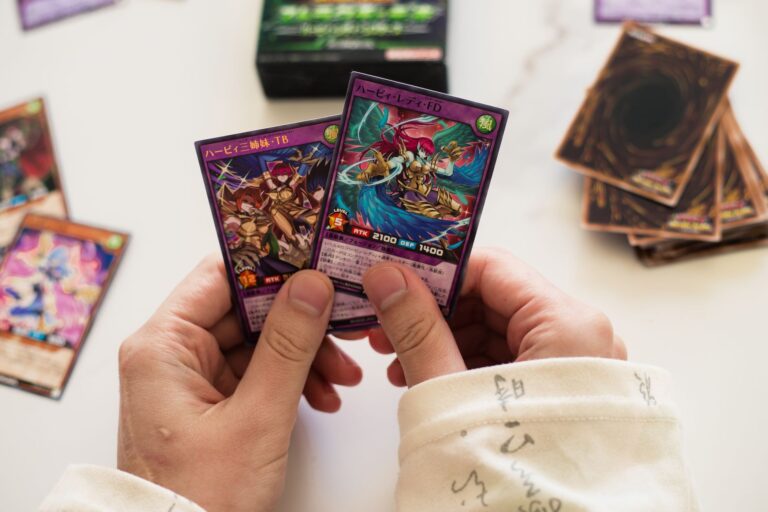
Running a Pokémon card trading post on Instagram means establishing a dedicated account that showcases your inventory, executes fair trades and sales with verified buyers and sellers, and maintains transparent communication about card conditions and authenticity. The platform itself provides the infrastructure—your storefront is essentially your feed, story highlights, and direct messages—but the real work involves building a reputation as a trustworthy dealer in a market where scams have cost traders approximately $710,000 since October 2025. A successful trading post combines consistent product photography, clear pricing, responsive customer service, and a public commitment to using third-party authentication from reputable graders like PSA, CGC, or BGS.
Starting a trading post begins with understanding what your audience wants: transparency about card condition, proof of authenticity, and protection against the kinds of fraud that have already ensnared hundreds of sellers. Many established traders use Instagram not as their primary sales channel but as a discovery mechanism—a visual catalog that drives customers to complete transactions through protected payment systems. For example, a trader might post high-resolution photos of a Pikachu illustrator card in their story, then conduct the actual sale through PayPal Goods and Services, which offers both parties recourse if something goes wrong. This hybrid approach acknowledges that Instagram’s native shopping features are less important than the trust-building that happens in your feed.
Table of Contents
- SETTING UP YOUR INSTAGRAM TRADING POST FOR POKÉMON CARDS
- AUTHENTICATION AND GRADING—THE FOUNDATION OF TRUST
- BUILDING VISIBILITY AND COMMUNITY ON INSTAGRAM
- PRICING STRATEGY AND VALUATION
- SCAM PREVENTION AND SECURE TRANSACTIONS
- PHOTOGRAPHY AND PRESENTATION STANDARDS
- GROWTH AND THE FUTURE OF POKÉMON CARD TRADING
- Conclusion
- Frequently Asked Questions
SETTING UP YOUR INSTAGRAM TRADING POST FOR POKÉMON CARDS
Creating an effective trading post requires more than a simple account. You’ll need a clear profile bio that states what you buy, sell, and trade; regular content posting that showcases your inventory; and story highlights that organize past posts into categories like “PSA Graded,” “Raw Cards,” “Wants,” and “Sold.” Your username should be straightforward and searchable—something like @[username]pokemoncards is more effective than an obscure handle. The official pokémon Trading Card Game account (@pokemontcg) has amassed over 856,000 followers, which demonstrates the genuine interest in this community; your goal is to become a trusted node within that larger network by consistently appearing in followers’ feeds and search results.
One key distinction: Instagram works best for reaching buyers who already appreciate the hobby, while it’s less effective for price discovery. Your feed becomes a portfolio of what’s available, and serious traders will use it to identify cards they want, then contact you for specifics on condition, price, and authentication status. This means the quality of your photography and the clarity of your product information matters far more than follower count. A single high-quality post showing multiple angles of a high-value card, with clear notes about any wear or damage, will perform better than a dozen blurry shots.

AUTHENTICATION AND GRADING—THE FOUNDATION OF TRUST
The Pokémon card market has exploded in value—some individual cards now trade for millions of dollars—but this same growth has attracted counterfeiters and authentication fraud. The three dominant third-party grading services (PSA, CGC, and BGS) exist precisely because buyers need an independent verification that a card is genuine and deserves its stated condition grade. When you run a trading post, you’re competing in a market where ungraded cards are increasingly seen as risky, and cards without professional authentication are either deeply discounted or remain unsold.
For a new trading post, you have two paths: submit cards to one of the grading services before listing them, or sell ungraded cards at a significant discount and clearly state their condition. The advantage of graded cards is that they come with a permanent record of authenticity and condition—a PSA 8 Charizard is the same card whether you sell it or your competitor does. The disadvantage is that grading costs $10 to $100 per card depending on turnaround time and the card’s estimated value, which eats into profit margins. Many established traders use a mix: they grade their highest-value inventory and sell lower-value commons and uncommons as raw cards, with photographs showing condition details that justify their pricing.
BUILDING VISIBILITY AND COMMUNITY ON INSTAGRAM
Getting visibility on Instagram means understanding the platform’s algorithmic preference for engagement. Posts with comments and saves perform better than posts with only likes, so you should encourage followers to ask questions and share their own collection photos. Use relevant hashtags like #pokemoncards, #pokemontrading, and #grading, but don’t overload your captions—five to ten well-chosen tags is more effective than listing thirty. The more specific you can be (#charizardtcg, #basesetpokemon), the more likely you’ll reach buyers searching for exactly what you have.
Story highlights are essential for organizing your content so returning visitors can quickly find cards in specific categories. Rather than viewers scrolling through your entire feed, they can tap a highlight labeled “Gold Stars” or “Vintage” and see only the cards they’re interested in. Reply to every direct message promptly, even if it’s just to say you’ll send more information tomorrow—response time is part of your reputation. Many traders also engage with other Pokemon trading accounts by liking and commenting on their posts, which drives visibility to their own account. This works because the Pokémon card community on Instagram is collaborative rather than purely competitive; collectors follow multiple dealers and compare offerings.
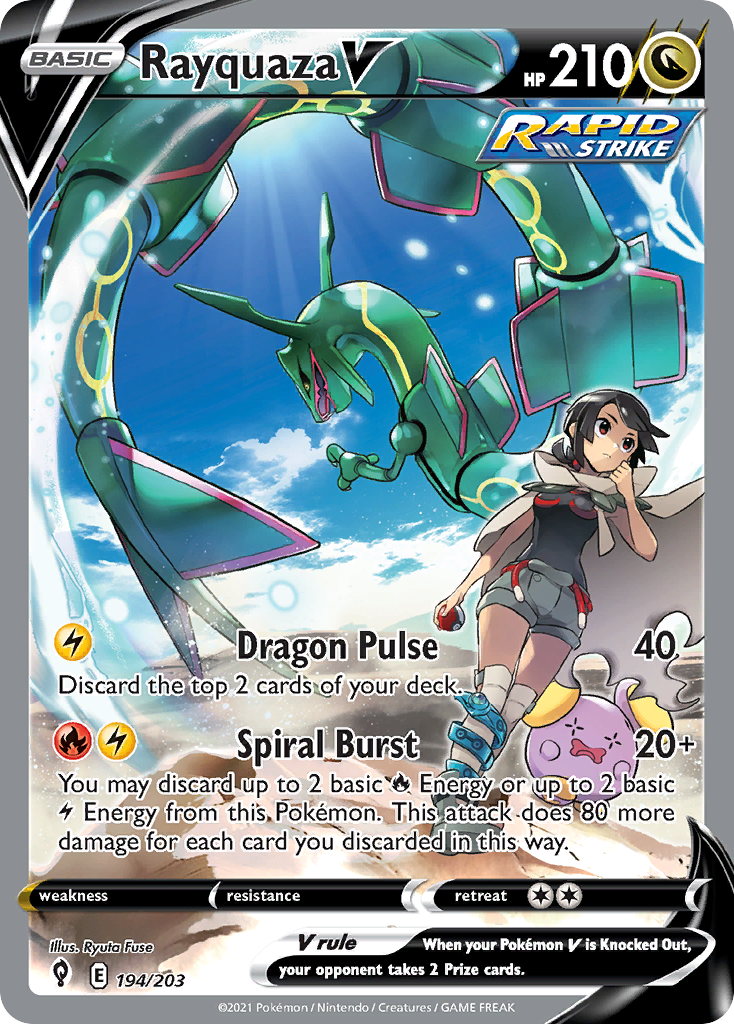
PRICING STRATEGY AND VALUATION
Pricing Pokémon cards for your trading post requires research into recent sales data, not just manufacturer suggested retail prices. Recent market activity, like the Logan Paul Pikachu auction in March 2026, demonstrates how individual sales can drive broader market values. You can track pricing through eBay’s sold listings, TCGPlayer’s marketplace, and specialized Pokemon card pricing sites. The key is understanding the difference between “list price” (what a seller is asking) and “sold price” (what it actually traded for), which can differ significantly.
A limitation of Instagram as a pricing tool is that you can’t easily display real-time market data or allow customers to instantly see your price relative to competitors. This means you need to build confidence through other signals: detailed descriptions, clear photos, mention of your authentication standards, and links to your current pricing or a detailed price list in your bio. Many traders use a tiered pricing system where raw cards are the least expensive, lightly played graded cards are mid-range, and mint-condition graded cards command premium prices. Transparency here is critical—if a buyer later discovers your card was overpriced or misgraded, they’ll post about it publicly and damage your reputation.
SCAM PREVENTION AND SECURE TRANSACTIONS
The Pokémon card market is experiencing a significant crime wave. Since October 2025, scammers have filed at least 477 reported cases involving false listings, non-delivery, and counterfeit cards. Authorities in multiple countries have issued warnings about fake cards and authentication fraud as the market grows. Your job as a trading post operator is to make clear that you’re on the side of legitimate trading, which means never asking for payment through unprotected channels. Use PayPal Goods and Services, not Friends & Family transfers.
Bank transfers, cryptocurrency, and off-platform deals remove buyer protections and make you vulnerable to chargebacks or disputes you can’t easily defend. Even with protected payment methods, document everything: take photos of the cards before packing, keep screenshots of the agreed-upon condition and price, and send tracking information for shipments. This documentation protects you against false claims of non-delivery or misrepresentation. If a buyer files a dispute, you have evidence that backs up your version of the transaction. The trade-off is that this overhead takes time and effort, but it’s the cost of operating legitimately in a market where scammers have stolen over $700,000 in recent months alone.

PHOTOGRAPHY AND PRESENTATION STANDARDS
High-quality, well-lit photos from multiple angles are non-negotiable for selling cards. A proper card photo should show the front, back, and at least one angled shot that reveals surface wear or damage. Natural lighting works better than flash, which creates glare on the card’s glossy surface. Many traders invest in simple light boxes or shoot near a window during daytime.
Clear notes about condition—describing any creases, centering issues, or stains—build trust because buyers know what they’re getting. Your captions should include the card’s set, condition grade (if graded), and estimated rarity or value range. A Shadowless Charizard card from Base Set should be treated differently from a modern Charizard reprint, not just in price but in the effort you put into accurate photography and description. Some traders include a brief note about why they acquired the card or what makes it notable, which adds personality without crossing into marketing hype.
GROWTH AND THE FUTURE OF POKÉMON CARD TRADING
The Pokémon card market is mature enough that individual high-value cards now function as alternative investments, particularly in Asia. This trend means more serious buyers are coming to Instagram not for nostalgia but for business—people evaluating cards as assets. Your trading post can capture this audience by maintaining consistent professionalism, staying ahead of market trends, and clearly communicating your expertise through the cards you choose to stock.
Looking ahead, the scam situation will likely drive more traders toward authentication services and platforms that offer built-in protections. Trading posts that can demonstrate verified inventory, transparent grading practices, and a clean transaction history will have an advantage. The traders who succeed won’t be the ones with the biggest social media following; they’ll be the ones who’ve built genuine trust through consistent, honest dealing over time.
Conclusion
Running a Pokémon card trading post on Instagram is fundamentally a trust-building exercise. You’re not just selling cards; you’re offering peace of mind to buyers in a market where scams and counterfeits are common.
The platform gives you a way to showcase inventory and engage with collectors, but the real work happens in the details: authentication standards, payment security, transparent pricing, and responsive communication. Start with a focused inventory, invest in proper photography, use reputable grading services for your higher-value cards, and commit to secure payment methods and detailed documentation. These fundamentals will set you apart in a market where many competitors cut corners, and they’ll form the foundation for steady growth as your reputation builds.
Frequently Asked Questions
What payment methods should I use for trades and sales?
Use PayPal Goods and Services or similar buyer-protected services. Avoid bank transfers, cryptocurrency, and off-platform payments, which offer no recourse if a dispute arises. At least 477 scam cases since October 2025 involved unprotected payment methods.
How often should I post new inventory?
Aim for at least 2-3 posts per week if you’re actively buying and trading. Consistency signals that your account is active and trustworthy. Story posts can be more frequent and don’t need to be about inventory—share market news, grading updates, or behind-the-scenes content.
Should I grade all my cards with PSA, CGC, or BGS?
No. Grading costs $10 to $100 per card depending on turnaround time. Grade your highest-value cards and those you plan to hold long-term. For lower-value cards, take excellent photos and describe condition clearly to justify pricing.
How do I compete with larger trading accounts?
You don’t need to. Focus on a niche—vintage cards, specific types, or a particular grade range. Build deep expertise and community in that niche rather than trying to be everything to everyone.
What should I do if a buyer claims a card is counterfeit?
Take the claim seriously. Request the card back, inspect it yourself, and if you believe it’s genuine, explain why using reference materials. Document your findings. If you’re uncertain, offering a refund may cost less than a dispute claim. Reputation damage from even one unresolved fraud claim can drive away future customers.
How do I stay updated on market prices and trends?
Monitor eBay sold listings weekly, follow pricing sites like TCGPlayer, and stay active in the Pokémon card community. The Logan Paul Pikachu auction in March 2026 drove values higher, so major sales and market movements will affect what your inventory is worth.