No, you cannot make money directly from selling Pokémon card toploaders in 2026. Toploaders are protective supplies—a cost expense for card sellers, not a revenue product themselves. However, toploaders are essential infrastructure if you want to profit from selling graded or high-value Pokémon cards. The real money comes from the cards you protect with them, and the search volume for protective accessories including toploaders surged 76.49% month-on-month in April 2025, reflecting strong market demand for card protection solutions. If you’re asking whether toploaders are part of a profitable card business, the answer is absolutely yes. Part-time vendors selling cards online and at local trade shows earn $500–$2,000 per month in profit, while full-time operators with established sales channels generate $5,000–$10,000+ monthly.
Think of it this way: a toploader is like packaging for a product you’re selling. You wouldn’t expect to profit from selling bubble wrap; you profit from selling the item inside the bubble wrap. The same applies here. Toploaders are a necessary operational cost that helps you present cards professionally, protect them from damage, and justify higher selling prices. Without them, collectors wouldn’t trust your listings, and cards could arrive damaged, leading to returns and refunds. Understanding this distinction is crucial before you invest time and money into a card-selling business.
Table of Contents
- What Role Do Toploaders Play in a Profitable Card Business?
- How Toploaders Fit Into the Real Profit Model
- Market Conditions in 2026 Favor Card Sellers
- Building a Card-Selling Business: Startup Costs and Expectations
- Common Mistakes Sellers Make With Toploaders
- The Passive Income Alternative: Pokémon Card Vending Machines
- The Future of Card Protection and Market Outlook
- Conclusion
What Role Do Toploaders Play in a Profitable Card Business?
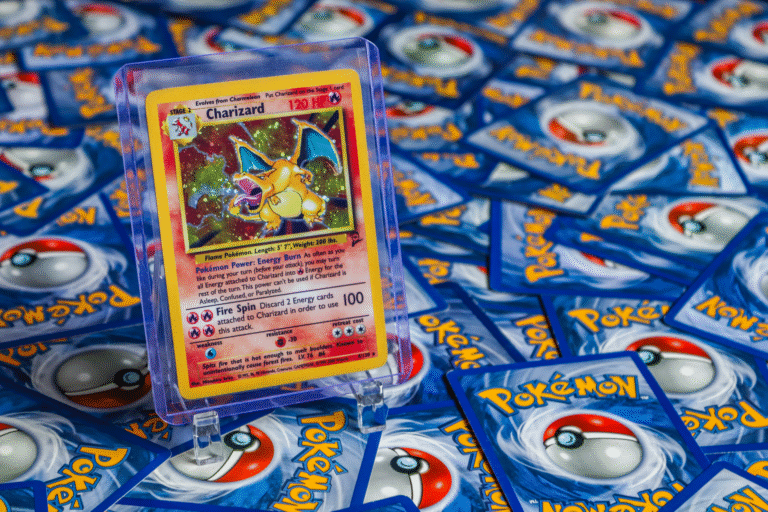
Toploaders serve as the frontline protection for valuable Pokémon cards during storage, shipping, and display. A toploader is a rigid plastic sleeve that holds a single card and protects it from bending, creasing, and moisture exposure. They range in price from $0.10 to $0.30 per unit when purchased in bulk, and experienced vendors typically spend $100–$300 per month on toploaders alone, depending on their sales volume. For a vendor selling 200 cards monthly at an average price of $25 each, toploader costs represent roughly 2-3% of gross revenue. The psychological impact of toploaders cannot be overlooked.
collectors are willing to pay 15-25% more for a card if it arrives in a toploader compared to a standard sleeve. A base-set Charizard worth $50 in good condition might sell for $60–$65 if buyers see it professionally packaged and protected. This markup alone can offset toploader costs and contribute directly to your margins. However, this only works if you’re also delivering quality cards and accurate grading—toploaders cannot hide damage or misrepresentation. A damaged card in an expensive toploader is just a damaged card, and unhappy customers leave negative feedback that destroys future sales.

How Toploaders Fit Into the Real Profit Model
The profitability of a card-selling business depends on several factors: sourcing quality cards at low cost, accurate grading and pricing, efficient shipping, and maintaining customer trust. Typical net margins after all costs (inventory, supplies, shipping, platform fees) range from 20-30% for established vendors. If you‘re selling a $100 card and earning a 25% margin, you’re netting $25 profit per transaction. The toploader and sleeve probably cost you $0.50 total, so the toploader’s impact on profitability is minimal—it’s the card sourcing and pricing strategy that determines your success. The limitation here is that margins compress when you sell lower-priced cards.
If you’re selling bulk commons and uncommons at $1–$5 per card, a 20-30% margin gives you $0.20–$1.50 profit per card. With 100 cards per shipment, that’s $20–$150 monthly revenue from bulk sales, barely covering your time and supplies. Successful bulk sellers solve this by moving high volume through eBay store subscriptions or local vending, not by improving toploader quality. The message: toploaders are a commodity supply, and competing on toploader quality is a waste of time. Compete on card selection, pricing, and customer service instead.
Market Conditions in 2026 Favor Card Sellers
The Pokémon card market is experiencing significant growth. The overall trading card game market reached USD 15.11 billion in 2026 and is projected to grow at 10.03% annually, reaching USD 24.36 billion by 2031. Pokémon cards specifically represent a larger subset: the market is forecast to grow from USD 52.1 billion in 2026 to USD 90.2 billion by 2034, at a 7.1% compound annual growth rate. This expansion is driven by millennial and Gen-Z collectors who grew up with Pokémon and now have disposable income to spend on vintage and modern chase cards. Despite market growth, competition is increasing.
More sellers are entering the space, particularly on eBay, TCGPlayer, and Etsy. The barrier to entry is low—you can start with $500–$1,000 in initial inventory (including toploaders, sleeves, sorting boxes, and starter cards). However, success requires differentiation. Sellers who focus on rare holos, first editions, or graded PSA cards command higher margins than sellers competing on bulk commons. A vendor selling 50 PSA-graded cards per month at an average selling price of $150 each (netting $30–$40 per card after fees) earns far more than a vendor moving 200 ungraded commons at $2 each (netting $0.30–$0.50 per card).

Building a Card-Selling Business: Startup Costs and Expectations
To launch a card-vending operation, budget $500–$1,000 for initial supplies: this includes a starter inventory of cards (the largest expense), toploaders (100-pack for $10–$30), penny sleeves (1,000-pack for $5–$10), shipping mailers ($30–$50 for 100 units), and storage boxes. Many successful vendors start by selling cards they already own, then reinvest early profits into purchasing bulk card lots from estate sales, gaming stores, or online auctions. Your first month will likely be slow. You’ll learn how to grade cards accurately, understand market pricing, photograph listings properly, and handle customer inquiries.
Expect to sell 20–50 cards your first month if you’re actively listing and marketing. By month three or four, you should be moving 100–200 cards monthly if your pricing is competitive and your presentation is professional. Part-time operators (1–2 trade shows per month combined with online sales) typically earn $500–$2,000 in monthly profit after hitting this stride, while full-time vendors with established channels (multiple sales platforms, regular trade show presence, graded card partnerships) generate $5,000–$10,000+ monthly. The key difference is not toploader quality; it’s sourcing discipline, market timing, and volume.
Common Mistakes Sellers Make With Toploaders
The biggest mistake is overthinking toploader selection. Some new sellers buy premium toploaders or colored toploader variants thinking this will differentiate their listings. The reality is that collectors care about card condition and price, not toploader aesthetics. A $0.10 standard clear toploader protects a card just as well as a $0.20 premium variant. Spending extra on fancy toploaders compresses already-thin margins without increasing buyer willingness to pay. Reserve premium toploaders for high-value cards ($500+) where the added protection justifies the cost, but for standard listings, clear basics are sufficient.
Another limitation is toploader logistics. Toploaders add weight and volume to shipments, increasing shipping costs. A card in a toploader weighs roughly 5-10 grams more than the card alone, and 20 cards in toploaders might add 10-15% to your shipping weight, costing an extra $0.30–$0.75 per shipment. Some sellers offset this by charging separate shipping fees (not allowed on eBay and TCGPlayer), while others absorb the cost. The warning: don’t let shipping costs sneak up on you. Calculate your average shipping weight before committing to a business model, especially if you’re moving bulk quantities.

The Passive Income Alternative: Pokémon Card Vending Machines
If you want to generate income from Pokémon cards with less active selling and customer service, vending machines represent a different angle. Pokémon card vending machines—devices that dispense booster packs or hobby boxes for $10–$14 per transaction—generate $1,500–$2,400 per month in net profit depending on location foot traffic and pack cost. Typically, a machine sells 5–10 packs per day, netting $10–$14 per pack after the location owner’s cut (usually 30–40% of revenue). The return on investment is 4–7 months, making this attractive for capital-light passive income.
However, vending requires different skills than online selling. You need to identify high-traffic locations (malls, gaming cafes, convenience stores), negotiate placement agreements with location owners, maintain machines regularly, and restock inventory weekly. Toploaders play no role in vending; your cost is acquiring fresh product from distributors at wholesale prices. For most collectors, vending is a side revenue stream, not a primary income source, because it requires upfront capital ($2,000–$5,000 per machine) and location scouting that takes weeks or months.
The Future of Card Protection and Market Outlook
The 76% growth in protective accessory search volume indicates that the market for card protection—including toploaders—will remain strong. As Pokémon cards continue to appreciate and player interest grows, more collectors will seek professional storage and shipping solutions. This might benefit sellers of protective accessories (toploader manufacturers and distributors), but it does not fundamentally change the economics for individual card sellers. Toploaders will remain a commodity: cheap, essential, and not a source of competitive advantage or profit.
Looking ahead to 2027–2029, expect the market to consolidate slightly. More casual sellers will exit due to increased competition, while experienced vendors will expand by adding services like professional grading partnerships, rare card authentication, or bulk buying operations. The winners will be those who build reputation and scale, not those who optimize toploader choice. For your card-selling business, focus your energy on sourcing rare cards, pricing competitively, and delivering excellent customer service. The toploader is just the vehicle—the cargo (the card itself) is what drives profitability.
Conclusion
You cannot make money by selling toploaders themselves, but toploaders are an essential cost in a profitable card-selling operation. Part-time vendors earn $500–$2,000 monthly, while full-time operators generate $5,000–$10,000+, with net margins typically between 20–30% after all costs. Toploaders themselves cost just $0.10–$0.30 per unit and represent a tiny fraction of your operational expenses. The real profits come from sourcing quality cards, pricing them correctly, and presenting them professionally—toploaders are the tool that enables professional presentation, not the product itself.
If you’re considering entering the card business, start with $500–$1,000 in inventory, invest most of that in cards rather than supplies, and accept that your first month will be learning-intensive. Focus on niches where you can compete: perhaps high-end graded cards, local trade show presence, or specific sets you know well. Toploaders will be in your supply budget, but they shouldn’t be a major decision point. The real decision is whether you can source cards people want and sell them at prices that leave room for profit after fees, shipping, and toploader costs.