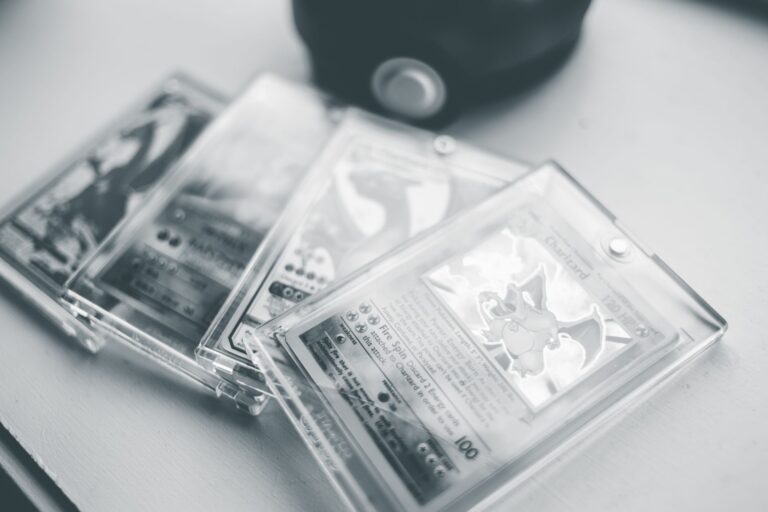
Chilling Reign singles cannot keep up with vintage Pokemon cards in terms of long-term value appreciation and collectibility. While Chilling Reign (2021) has produced some valuable individual cards, including chase holos and full arts that command decent secondary market prices, the set lacks the scarcity, age factor, and historical significance that make Base Set, Jungle, and Fossil era cards consistently outpace newer releases. For example, a Charizard VMAX full art from Chilling Reign might sell for $50-150 depending on condition, while a Base Set Charizard holo from 1999 regularly commands $1,000+ even in moderate condition.
The fundamental difference comes down to print runs and market saturation. Chilling Reign was produced during the height of the Pokemon TCG boom when print volumes were at their highest. Collectors opened millions of packs, meaning supply of even the chase cards remains substantially higher than vintage equivalents. Vintage cards, by contrast, were printed in much smaller quantities for a narrower collector base, and decades of attrition—cards damaged, lost, or discarded—has reduced available inventory dramatically.
Table of Contents
- How Modern Set Performance Compares to Vintage Card Values
- Print Volume and Market Saturation Issues
- Collectibility and Cultural Significance Factors
- Investment Thesis and Practical Buying Considerations
- Grading and Condition Limitations in Modern Markets
- Specific Chilling Reign Cards Worth Tracking
- Future Market Outlook and Vintage’s Structural Advantage
- Conclusion
- Frequently Asked Questions
How Modern Set Performance Compares to Vintage Card Values
Modern pokemon cards from 2020 onward operate in an entirely different market dynamic than vintage cards. The original Pokemon TCG runs from 1999-2001 benefited from a collector base that was largely casual, leading to massive bulk disposal and destruction of cards over the past 25 years. chilling Reign, released during peak interest in the TCG, was printed with the assumption that serious collectors would preserve their collection, and many did.
This preservation instinct, combined with the massive print volume, means high-grade copies of even the best Chilling Reign cards remain relatively available compared to their vintage counterparts. A specific comparison illustrates this point: the Mewtwo VMAX full art from Chilling Reign achieved peak prices around $150-200 during the immediate secondary market craze of 2021-2022, but has settled into the $30-60 range for near-mint copies. A Mewtwo holo from Base Set, by contrast, commands $400-800+ depending on its exact condition and whether it carries a PSA or BGS grade. The Chilling Reign version has lost roughly 70% of its peak value, while the Base Set card has appreciated steadily over decades.

Print Volume and Market Saturation Issues
The critical limitation facing Chilling Reign and other modern sets is that The pokemon Company learned from early scarcity issues and deliberately increased production capacity starting around 2020. This decision was made to prevent shortages and keep the hobby accessible, but it created a structural problem: virtually unlimited supply of modern cards. Sealed Chilling Reign booster boxes are still available from distributors at reasonable prices, which any serious collector or investor knows signals limited long-term appreciation potential. Vintage cards face the opposite problem—favorable from a value perspective.
A sealed first-edition base Set booster box, if you can find one, costs $30,000-50,000+. This extreme scarcity is partly natural attrition but also partly because no more will ever be printed. Chilling Reign, on the other hand, sits in warehouses globally and can theoretically be reprinted (though Pokemon Company hasn’t done unlimited reprints of specific modern sets). This distinction means vintage cards have built-in scarcity that translates directly to sustained demand and price floors, while Chilling Reign has no such guarantee.
Collectibility and Cultural Significance Factors
Beyond financial value, vintage cards maintain collectibility because they represent the origin of the modern TCG. Collectors prize original artwork, original print runs, and cards associated with the childhood nostalgia of the late 1990s and early 2000s. A well-preserved Blastoise holo from Base Set is a historically significant card in a way that a Chilling Reign card simply cannot be, regardless of its artistic quality. This cultural weight translates to consistent demand from multiple collector segments: nostalgia buyers, serious investors, and museum-minded collectors.
Chilling Reign, released during a period when Pokemon TCG was already a mature, established hobby, lacks this origin status. It’s a quality set with good artwork and some mechanically interesting cards, but it arrived during peak saturation when many competitors were also releasing sets. The 2020-2022 period saw simultaneous releases from multiple sets each year, fragmenting collector attention and budgets. A collector who buys one Chilling Reign card today might have bought one of six competing sets released that same month, spreading demand and reducing relative significance.

Investment Thesis and Practical Buying Considerations
If your goal is investment appreciation, vintage cards offer a clearer path to value growth, but the barrier to entry is substantially higher. A single Base Set first-edition Charizard holo requires $2,000-15,000+ depending on condition and grade, while entry-level Chilling Reign chase cards cost $20-100. For a collector with $5,000 to invest, buying a handful of vintage rares creates more wealth potential than buying 50 modern chase cards, but the vintage route also concentrates risk on a few specific cards.
The practical tradeoff is that modern cards offer liquidity and affordability without the “all eggs in one basket” risk. If you have $500 to spend, you can assemble a diverse Chilling Reign collection with multiple chase holos, potentially capturing value if any single card appreciates. With vintage, that same budget might only secure one decent card or a few lower-grade commons. Modern cards are also easier to play with if you care about the physical TCG experience, whereas vintage cards are typically too valuable to handle in actual gameplay.
Grading and Condition Limitations in Modern Markets
One significant limitation of modern cards is that their value depends heavily on grading and near-perfect condition. A Chilling Reign chase holo in mint condition (PSA 9 or 10) might be worth $100+, but the same card in lightly played condition drops to $20-40. Vintage cards show more resilience across condition tiers because scarcity alone supports value. A Base Set Charizard in poor condition still sells for $500-800, whereas a poor-condition Chilling Reign chase card might only fetch $5-10 above bulk pricing.
This means modern cards require additional investment in grading services to unlock their value, adding costs that vintage collectors sometimes avoid. If you have a Chilling Reign card you believe might be worth grading, PSA or BGS charges $20-100+ per card, and you need the card to grade exceptionally high to recoup that cost. With vintage cards, even a lower grade often justifies grading costs because the base value is so high. This dynamic makes building a high-value modern collection more expensive than the sticker prices initially suggest.

Specific Chilling Reign Cards Worth Tracking
A handful of Chilling Reign cards have held value better than the set average, though none approach genuine vintage appreciation rates. The Calyrex V and Calyrex VMAX cards maintained prices around $30-80 depending on variant and condition, outperforming most other chase cards from the set. Similarly, the Galarian Articuno, Zapdos, and Moltres alternate art cards found a dedicated collector base and held prices in the $25-75 range more consistently than other releases.
The Vileplume and Victreebel alternate art cards from Chilling Reign showed similar resilience, which suggests that alternate art cards and full-art cards with iconic Pokemon maintain value better than standard holos. However, even the strongest Chilling Reign performers have lost 50-70% of their 2021-2022 peak prices, indicating that set-wide price corrections hit even the best cards. This pattern suggests that modern set scarcity resets more frequently than vintage, where scarcity is locked in permanently.
Future Market Outlook and Vintage’s Structural Advantage
The Pokemon TCG market will likely continue bifurcating into vintage and modern segments, with vintage cards maintaining steady appreciation and modern cards experiencing cyclical volatility. As more time passes—and as modern-era cards reach 10, 15, 20+ years old—some cards will transition from “new” to “retro” in collector perception, potentially capturing renewed interest. However, the structural advantages vintage holds (genuine scarcity, age, historical significance) cannot be replicated by modern cards, only approached over decades.
For collectors and investors, the practical implication is clear: vintage cards are the more reliable long-term value store, but they require larger initial capital and concentrated positions. Chilling Reign and contemporary sets serve better as hobby purchases for active players or completionists rather than as core investment vehicles. If you’re deciding between buying one vintage card or a Chilling Reign collection, the vintage option typically represents better wealth preservation, but if your budget and interest lean toward modern, Chilling Reign remains a solid entry point compared to more recent sets that face even greater supply oversaturation.
Conclusion
Chilling Reign singles have not kept pace with vintage Pokemon cards in any meaningful metric—appreciation, scarcity, or long-term collectibility. The set represents a quality snapshot of a specific era, but it lacks the fundamental scarcity and cultural weight that make vintage cards appreciate steadily over decades. A vintage card from 1999 benefits from natural attrition, limited original print runs, and decades of collector demand in a way that no modern set can replicate in the near term.
If you’re building a Pokemon card collection focused on value preservation and growth, prioritize vintage cards within your budget parameters, even if it means owning fewer cards overall. If you’re collecting for enjoyment, modern set completion, or active play, Chilling Reign remains a legitimate choice—just recognize that financial appreciation should not be your primary expectation. The choice between vintage and modern ultimately reflects whether you’re collecting as an investor or as an enthusiast, and each approach has valid justifications within its own framework.
Frequently Asked Questions
Will Chilling Reign cards ever become valuable like vintage cards?
Unlikely to the same degree. Vintage cards benefit from 25+ years of attrition and permanent scarcity. Chilling Reign cards could appreciate modestly as they age and competition from newer sets increases, but they’ll never approach Base Set price levels because too many copies exist in circulation.
Which Chilling Reign cards have held value best?
Alternate art and full art cards with iconic Pokemon like Calyrex, Articuno, Zapdos, and Moltres have held their secondary market value more consistently than standard holos, typically ranging $25-80 depending on condition and variant.
Is it better to buy graded or raw Chilling Reign cards?
For investment purposes, grading can increase value if the card grades high (8.5+), but grading costs add $20-100+ per card. For casual collecting, raw cards offer better value unless you specifically plan to resell.
Should I open Chilling Reign sealed boxes as an investment?
No. The set was printed in massive quantities, so sealed boxes have limited appreciation potential. Open if you want to collect, but don’t expect returns like early vintage sealed products achieve.
How much will a Chilling Reign chase card lose in value over the next 5 years?
Most cards will continue their current trajectory of steady decline or stagnation. Unless demand somehow spikes unexpectedly, expect modern chase cards to stabilize 70-80% below their 2021-2022 peaks, with minimal further movement unless significant reprinting occurs.