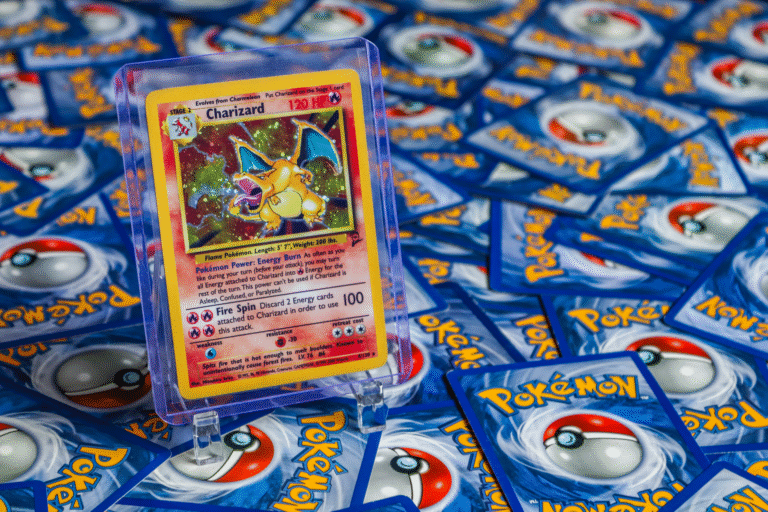
Yes, Complete Unlimited Base Sets remain undervalued as of 2026, particularly when considering their historical significance, consistent collector demand, and appreciation potential compared to modern Pokemon cards. The data supports this assessment: a complete 102-card Unlimited Base Set is valued at just $325, which represents exceptional value given that individual high-grade Unlimited cards like raw near-mint Mewtwo sell for $40-$41 on TCGPlayer. When you compare these prices to Shadowless variants of the same cards, Unlimited versions cost approximately 70% less, yet they offer the same gameplay and artistic appeal with only minor print line differences that most casual collectors never notice.
The market has stabilized considerably since the volatility of late 2024, but this stability has only reinforced the undervaluation thesis. Prices have settled at rational levels driven by genuine collector interest rather than speculative frenzy, making this an ideal window for serious hobbyists and collectors who understand long-term value. The vintage Pokemon card market has cooled from its pandemic peaks, but Unlimited Base Set cards show projected appreciation potential of 15-25% annually according to market analysis, which outpaces inflation and many traditional investments.
Table of Contents
- What’s the Actual Price You’ll Pay for Unlimited Base Sets Today?
- Market Stability Since Fall 2024—Undervaluation Confirmed or Correction Complete?
- Why Do Vintage Cards Remain Undervalued Relative to Scarcity?
- Should You Buy a Complete Set or Individual Cards to Capture the Value?
- Grading and Condition—Where Raw Cards Present Both Risk and Opportunity
- Unlimited Base Set Versus Other Vintage Sets—Where the Best Value Hides
- The Forward-Looking Case for Unlimited Base Set Investment
- Conclusion
What’s the Actual Price You’ll Pay for Unlimited Base Sets Today?
A complete 102-card unlimited base Set currently trades at $325 according to established price guides, which breaks down to approximately $3.19 per card. This pricing assumes raw cards in played condition—not near-mint or better—which is realistic for set completionists who prioritize having one of each card rather than chasing premium examples. When you factor in that individual holos like Charizard or Mewtwo in the same condition run $15-$40 each, and commons run $0.50-$2.00, the set price becomes transparently fair rather than discounted. The per-card value becomes even more compelling when you examine specific examples. A raw near-mint Mewtwo lists for $40-$41 on TCGPlayer, but purchasing it that way isolates a single card and limits your collection narrative.
By contrast, investing in a complete set gives you the full artistic scope of the era, including gems like Chansey, Dragonite, and Machamp, plus all 60 commons and uncommons that complete the original game design. This holistic approach creates thematic value that transcends raw dollar comparison. The key limitation here is condition variance. At $325, you’re typically getting played copies with edge wear, minor creases, or corner issues. If you specifically want near-mint or gem-mint copies of each card, expect to pay 2-3 times as much. The Unlimited printrun was massive, so even high-grade copies exist in reasonable quantities—but not at the $325 price point.

Market Stability Since Fall 2024—Undervaluation Confirmed or Correction Complete?
The Pokemon card market experienced a painful correction from 2021-2024 as the pandemic bubble deflated and speculative investors exited. By fall 2024, the worst of that correction had already occurred, and what emerged was a more stable, collector-driven market. Unlimited base set prices have held relatively steady through early 2026, which is actually a bullish sign: volatility has been replaced by consistency, suggesting the market has found true equilibrium. Market analysis from multiple authoritative sources confirms that vintage cards remain relatively undervalued compared to their historical significance and consistent collector demand. The market has shifted from monthly price swings to quarterly or annual adjustments, which benefits patient collectors and long-term holders.
High-grade Base Set cards show 15-25% annual growth potential, according to established market trackers, which represents sustainable appreciation rather than explosive but unsustainable gains. A critical warning: stability is not the same as explosive growth. If you’re buying Unlimited Base Sets expecting them to triple in value in two years, you’re repeating the speculative mindset that created the 2021-2024 volatility. These cards are undervalued compared to modern product and compared to their vintage peer sets like Base Set Shadowless, but they won’t appreciate like penny stocks. The 15-25% annual growth represents solid collector-focused returns, not investment-style moonshots.
Why Do Vintage Cards Remain Undervalued Relative to Scarcity?
The comparison between modern and vintage card scarcity reveals a striking disconnect in pricing. Neo Discovery Umbreon, a card from 1999 with only a handful of PSA 10 grades, has 175 times fewer perfect copies than the modern Moonbreon, yet they trade at comparable prices. This disparity alone proves that vintage cards are undervalued—the market systematically undervalues rarity and historical significance when older cards are involved, likely because modern chase cards command speculative attention from newer players. This scarcity premium deficit particularly affects Unlimited Base Set holos. Charizard, Blastoise, and Venusaur exist in the Unlimited printrun, but their actual surviving copies in gem-mint condition are genuinely rare. The print quality variations, the age of the cardstock, and the fact that most copies from 1999-2000 were played in actual games all contributed to lower surviving high-grade population.
Yet pricing for raw Unlimited Charizard hasn’t proportionally reflected this reduced supply compared to the pricing of newer, more abundant cards in similar condition. The limitation to understand is that scarcity alone doesn’t guarantee price appreciation. A card can be rare and still be undervalued if collector demand is insufficient. The positive side of Unlimited Base Set cards is that they maintain consistent, stable demand from multiple collector demographics: set builders, casual players, Pokedex collectors, and vintage enthusiasts. This isn’t niche demand; it’s mainstream. The combination of scarcity plus stable demand creates the undervaluation opportunity.

Should You Buy a Complete Set or Individual Cards to Capture the Value?
Complete sets offer psychological and practical advantages for undervaluation capture. When you buy a $325 complete set, you immediately own the entire first-generation Pokedex representation, you gain the satisfaction of set completion, and you own something collectible as a unit. Individual cards purchased separately would likely cost more due to platform fees on multiple purchases, time spent sourcing, and the premium many sellers charge for single-card listings. However, individual card selection offers superior upside if you’re willing to invest time and capital. If you identify the 15-20 highest-demand cards in Unlimited (Charizard, Blastoise, Venusaur, Mewtwo, Alakazam, Dragonite, Machamp, and others) and purchase those in near-mint condition, you concentrate capital in the strongest appreciating subset.
These premium holos historically appreciate faster than bulk commons because they’re more recognizable, more playable, and more visually striking. The tradeoff: set completion satisfaction versus maximum appreciation potential. For most collectors, a hybrid approach works best. Purchase a played-condition complete set for $300-$400 to establish the collection backbone and satisfaction of completion, then gradually upgrade specific high-demand holos as budget allows. This approach captures the undervaluation of the bulk collection while positioning you to benefit disproportionately from holo appreciation.
Grading and Condition—Where Raw Cards Present Both Risk and Opportunity
Raw Unlimited Base Set cards represent the best-value entry point, but condition assessment requires discipline. Even experienced collectors occasionally misjudge condition when evaluating vintage cards remotely. A card described as “near-mint” might have edge wear, light creasing, or surface wear that becomes obvious in person. At $325 for a complete set, you’re vulnerable to disappointment if you receive played copies when expecting lightly played condition. Graded cards eliminate this uncertainty but dramatically increase cost.
A complete set of graded cards, even in modest PSA 6-7 grades, would easily exceed $2,000-$3,000 depending on holos included. At that price point, you’re not capturing undervaluation; you’re paying for authentication and third-party condition assessment. The opportunity here is that graded Unlimited holos do show stronger appreciation than raw versions, so if you have capital and can identify specific cards worth upgrading, professional grading creates a meaningful growth vector. The warning: never special-order a complete set for grading without first owning raw copies and confirming your satisfaction. Grading costs run $10-$50 per card in normal turnaround, which can total $500-$2,500 for a full set—making this economically viable only for premium holos or if you’re upgrading gradually over time.

Unlimited Base Set Versus Other Vintage Sets—Where the Best Value Hides
Base Set Shadowless cards cost 30% more than Unlimited variants on average, despite similar gameplay and collector appeal. The defining difference is the print line and the 1995 era designation, not actual card quality or collectibility. For budget-conscious collectors, Unlimited captures nearly identical value and nostalgia at lower entry cost.
However, if you’re collecting for maximum long-term appreciation, Shadowless commands premium prices for a reason: lower printrun, earlier era status, and stronger visual differentiation. Fossil and Jungle sets from the same era offer similar undervaluation characteristics to Unlimited, often trading 40-50% below Shadowless equivalents. If you’re building a vintage collection, comparing Unlimited Base across three sets rather than just collecting one set offers portfolio diversification. A collector with complete Unlimited Base, Unlimited Fossil, and Unlimited Jungle owns three synergistic collections that reinforce each other’s value through thematic completeness.
The Forward-Looking Case for Unlimited Base Set Investment
Market projections suggest 15-25% annual appreciation for high-grade vintage cards, which would position a $325 Unlimited Base Set to appreciate to roughly $375-$400 within twelve months under optimistic conditions. Over five-year periods, this compounds to significant gains—a $325 initial investment could reasonably grow to $625-$950. These figures assume stable market conditions and continued collector demand, both of which appear likely given the demographic trends toward vintage Pokemon card collecting. The most important forward-looking insight is demographic.
The original players who opened Base Set cards in 1999-2000 are now in their 40s and 50s with disposable income to recollect their childhood favorites. This generation will sustain demand for Unlimited Base Sets for another 20-30 years. New players entering the hobby also gravitate toward vintage cards as entry points to the broader collecting hobby. These demographic tailwinds suggest the undervaluation will persist and possibly deepen—but appreciate in absolute terms as demand stabilizes the market.
Conclusion
Unlimited Base Set cards remain undervalued as of mid-2026, with complete sets valued at $325 and individual holos showing 15-25% annual growth potential despite having already stabilized from the speculative peaks of 2021-2024. The key evidence is the 70% price discount versus Shadowless variants and the 175-times scarcity differential that goes unpriced relative to modern cards. The market has moved from volatile speculation to rational collector-driven pricing, which creates opportunity for thoughtful buyers who recognize the value of these 25+ year old cards with consistent demand and genuine playable legacy.
Your next step depends on collection goals. If you want immediate set completion and psychological satisfaction, purchase a played-condition complete set at current market rates and enjoy the collection. If you want maximum appreciation capture, focus on acquiring specific high-demand holos in the best condition you can afford and plan to hold for 3-5 years. Either approach benefits from the current undervaluation, but your timing, capital allocation, and patience will determine ultimate results.