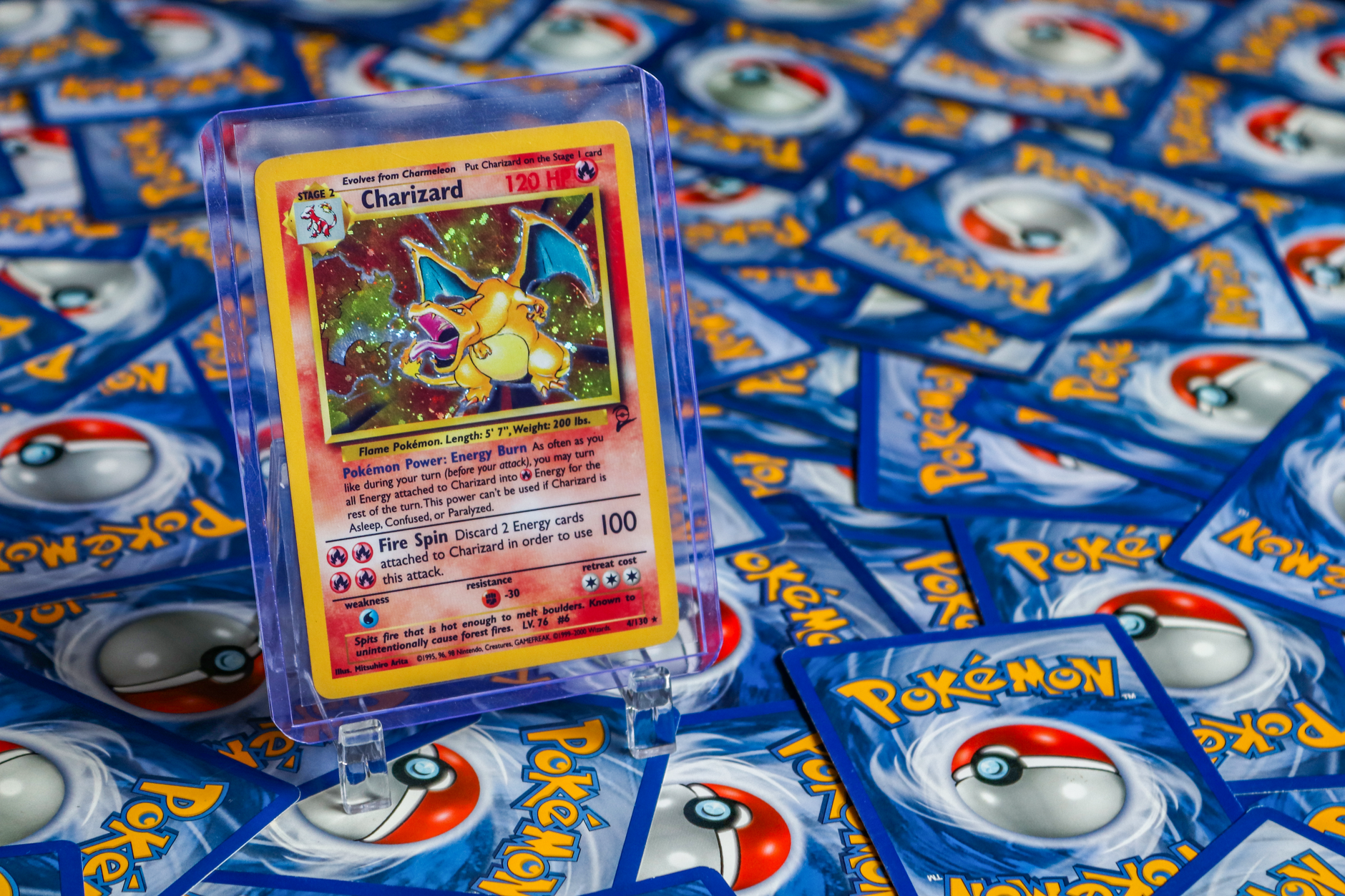
Investing in Pokemon cards can be permissible in Islam when you buy a real item at a clear price and sell it honestly for profit. It becomes haram, meaning forbidden, when the deal involves gambling, deception, or interest.
Haram is the Islamic term for what is forbidden, while halal means what is allowed. Pokemon investing here means buying cards or sealed products to hold and resell, not playing the game itself. Your ruling often turns on method, not on Pokemon alone.
Table of Contents
- Why Buying and Selling Cards Starts as Permissible
- What Can Make Card Investing Haram
- Do Sealed Packs and Mystery Products Count as Gambling
- How Can You Keep Collecting Within Islamic Limits
- When Should You Ask a Scholar
- Frequently Asked Questions
Why Buying and Selling Cards Starts as Permissible
Islamic principles generally allow trade in lawful, owned goods at an agreed price. A single card is a tangible item you can inspect, value, and possess. That kind of clear exchange fits normal buying and selling.
Profit alone does not make the trade haram. Buying a card low and selling it higher is allowed when both sides agree openly. Problems begin when chance, concealment, or unfair terms enter the deal.
What Can Make Card Investing Haram
The main concerns are maysir, gharar, and riba. Maysir means gambling for gain through chance. Gharar means excessive uncertainty about what you buy or what you owe.
Riba means interest on loans or credit. Deception also matters. Shill bidding, false rarity claims, resealed packs sold as new, and hidden damage break honest dealing. Any deal built on lies or manipulation is forbidden even if the card itself is lawful.
Do Sealed Packs and Mystery Products Count as Gambling
This is the gray area most collectors ask about. Paying mainly for a random chance at a rare pull looks closer to gambling than to shopping. You pay a fixed sum but accept a lottery-like outcome.
Buying a known single, a complete set, or sealed stock for later resale is clearer. You know what you receive at purchase. Many cautious collectors limit random openings and focus on singles, research, grading, and patient holding.
- Singles with clear photos, set, and condition: lower uncertainty
- Sealed boxes bought and stored for resale: clearer ownership
- Paid mystery packs and prize draws: higher gambling risk
- Auctions with shill bids or hidden reserves: deception risk
How Can You Keep Collecting Within Islamic Limits
Take full ownership before you resell. Receive the card or sealed product, confirm condition, then list it at a stated price. Avoid selling what you do not yet own or cannot deliver.
Use clean money and honest listings. Avoid interest-bearing loans to fund purchases, late fees tied to interest, and misleading titles or scans. State flaws, describe grading risk plainly, and ship what you promised.
When Should You Ask a Scholar
Rules differ across schools of thought and personal situations. A local imam or trusted scholar can weigh your exact method, income intent, and market practice. Bring concrete details about packs, credit, storage, and resale plans.
That step protects both faith and money. General articles can explain principles, but they cannot give your personal fatwa, meaning a formal ruling. A short conversation can resolve what reading alone cannot.
Frequently Asked Questions
Are pictures of Pokemon creatures a separate issue?
Some Muslims avoid images of animate beings, while others accept stylized game art for lawful trade. Ask a scholar you trust if images concern you.
Is paying for grading or authentication allowed?
Paying for a clear service at a stated fee fits normal trade. Avoid any grading entry that works like a prize draw or wager.
What about using a credit card to buy inventory?
The cards are not the issue; interest is. Use cash, debit, or a card you repay in full before interest applies.
You Might Also Like
- What Should You Know Before Investing Pokemon Cards for Christmas Gifts?
- Is Investing In Pokemon Cards Halal Under Islamic Finance Rules?
- How Much Should You Spend Investing in Pokemon Cards for a Gift?