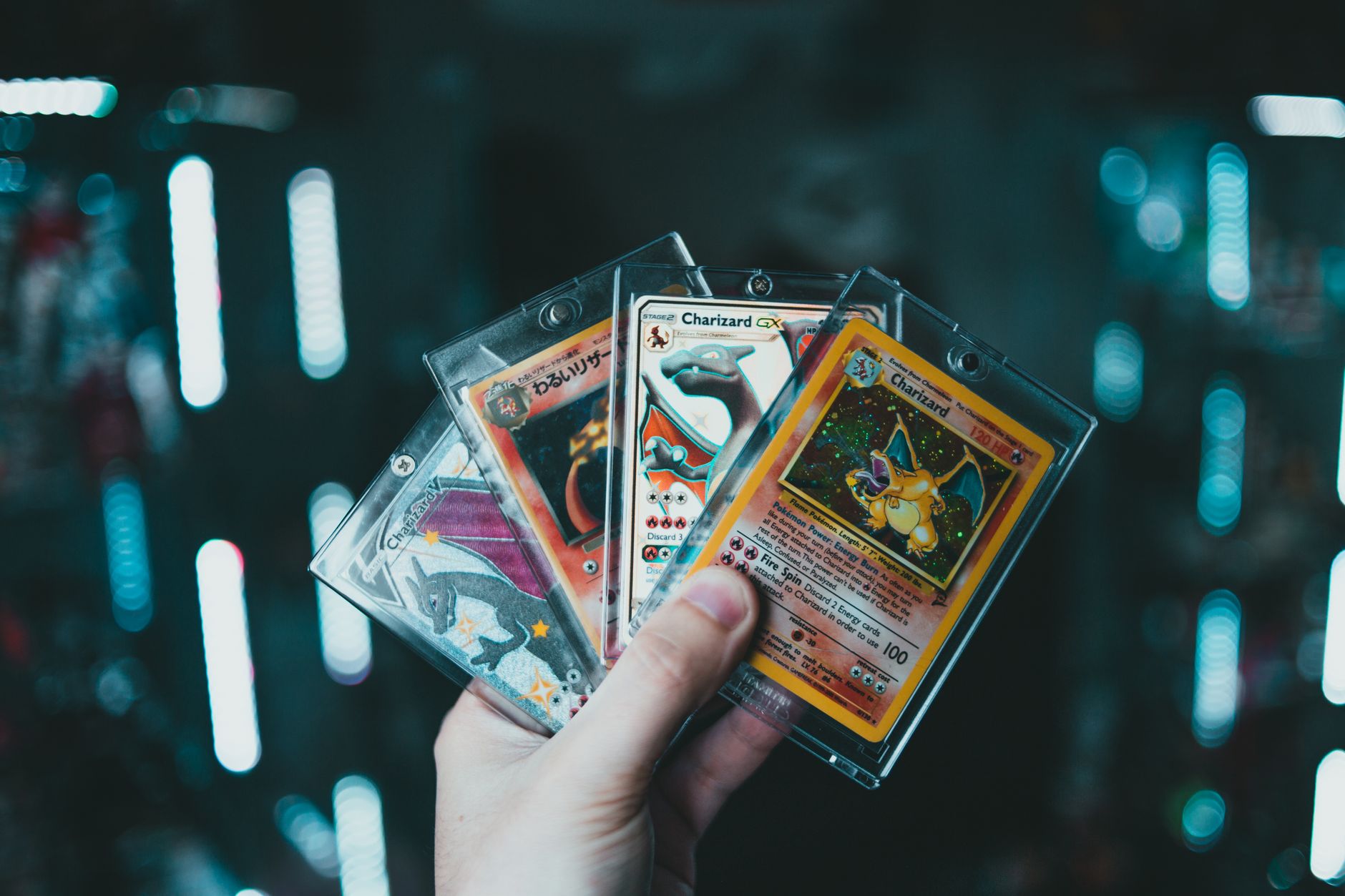
No, an ETF that directly holds physical Pokemon cards is unlikely soon. An ETF, a fund that trades on stock exchanges during market hours, needs uniform holdings, daily pricing, and regulated custody. That structure fits stocks, bonds, and bullion far better than graded Charizards with different conditions and thin sales. Collectors should treat card ETFs as an idea, not an imminent product.
Table of Contents
- How a physical-card ETF would have to work
- Why Pokemon cards resist that structure
- What collectible exposure looks like today
- What collectors should do instead
How a physical-card ETF would have to work
A sponsor would buy cards, place them with a custodian, and issue shares tied to the pool. Authorized firms would create and redeem large blocks to keep the share price near the value of the holdings.
The fund would need a clear daily value, called net asset value. That value requires recent sales of identical assets and a way to sell holdings quickly at that price.
Why Pokemon cards resist that structure
Pokemon cards are not uniform. Set, condition, grade, and authenticity change value from copy to copy, so two cards with the same name are not interchangeable.
Custody and trading add further friction. Cards need secure storage, insurance, grading checks, and buyer-by-buyer sales, which slows redemptions and raises costs. Regulators also expect funds holding physical goods to solve valuation, liquidity, and safekeeping in advance.
What collectible exposure looks like today
Investors already can buy shares in businesses around the hobby. Examples include retailers, marketplace operators, entertainment companies, and firms tied to games and licensing.
Other vehicles track themes such as luxury goods, gaming, or leisure. Those funds own stocks, not sealed boxes in a vault. Fractional platforms and trusts that hold single items are closer to direct ownership, but they lack ETF trading, daily creation and redemption, and broad diversification.
What collectors should do instead
Keep collecting and investing in separate buckets. Buy cards because you understand the set, grade, and resale path, not because a fund wrapper may arrive. Before paying a premium for any fund, product, or share pitched as card exposure, check these points: Buy the booster, single, or graded copy that fits your collection budget, and keep receipts and grade reports with high-value cards.
- what exact assets the vehicle owns and who holds them
- how value is set each day and when holdings were last sold
- total fees, storage and insurance costs, and sale spreads
- how you sell and how long cash settlement takes
You Might Also Like
- Why Are Pikachu Cards Fueling a Bull Market in Pokemon TCG?
- What Pokemon TCG Cards Are Worth Grading Before Year End?
- Should You Index Funds or Pokemon TCG Cards for Long-Term Gains?