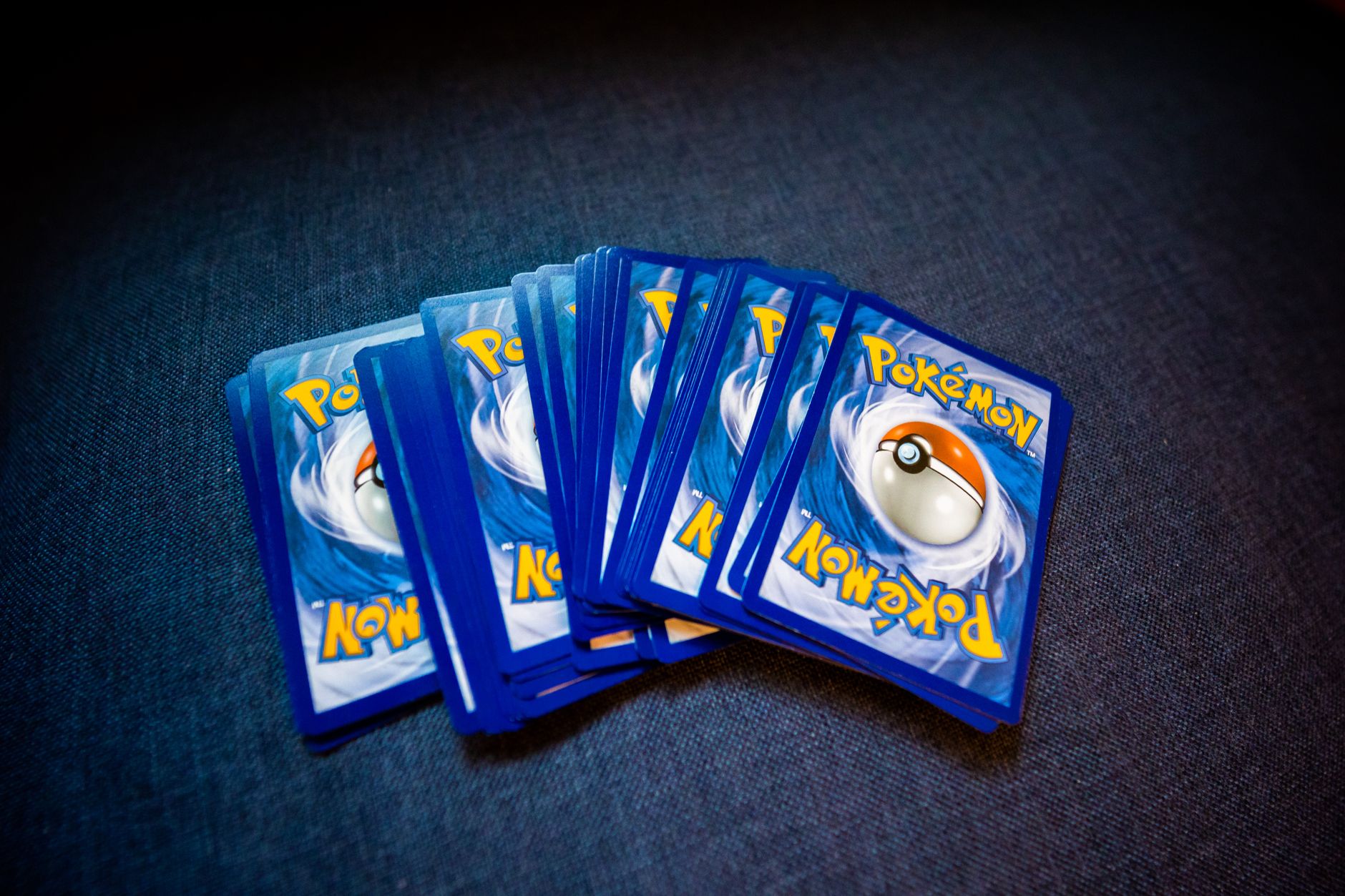
Avoid buying stolen Pokemon cards after a theft by slowing down, asking for proof of ownership, and buying only when the story checks out. Walk away from any deal where the seller rushes you, hides details, or cannot explain where the cards came from. Provenance means the history of who owned the cards before you. For collectible cards, that history often lives in photos, receipts, grading records, and consistent messages from the seller.
Table of Contents
- Ask for ownership proof first
- What warning signs should stop a purchase?
- How do you buy safely in person and online?
- What records protect your collection?
Ask for ownership proof first
Ask the seller where the cards came from and how long they have had them. A legitimate owner can usually describe the set, condition, and source without changing details. Request clear photos of the actual cards, front and back, plus any sealed product, grading slab, or receipt.
A grading slab is a card sealed in a hard case by an authentication company with a label and number. Compare the photos to the listing description and to the seller's messages. Mismatched sets, stock images, blurred numbers, or refusal to show the backs are reasons to stop.
What warning signs should stop a purchase?
Be cautious when the price drops sharply for rare or sealed items and the seller pushes for fast cash, gift payment, or no receipt. Pressure is a common way to move stolen goods quickly.
Watch for bulk lots with mixed high-value hits, removed labels, missing packaging, or stories that shift. Other flags include new accounts, meetups in odd locations, and refusal to show ID with a bill of sale.
- Seller will not show the actual cards in clear photos
- Details change about source, age, or contents
- Payment must be cash, wire, gift card, or crypto only
- Seller refuses a public meeting place or basic receipt
How do you buy safely in person and online?
Meet in a public, well-lit place and bring a friend when the value is high. Check the cards in hand against the photos before paying. For online buys, use a platform with buyer protection and keep all messages inside that system.
Save the listing, photos, seller name, payment record, and tracking number. Pay with a traceable method and ask for a simple written receipt with date, items, price, and seller signature. Keep those records even after the cards arrive.
What records protect your collection?
Photograph your cards, sealed boxes, grading labels, and receipts when you buy. Store the seller's contact, listing link, and payment proof in one folder. Record the set name, card number, condition, grading number if slabbed, and any distinct marks or bends.
Those details help identify your cards if a nearby theft is reported. If a deal later looks suspicious, stop reselling the cards and keep everything as you received it. Share your records with the platform or local police and let them decide the next step.
You Might Also Like
- Are Pokemon Cards Safe to Buy From a FedEx Shipment After Theft Reports?
- Buying Your First Pokemon TCG Booster Box: What to Check Before Checkout
- Buying Pikachu Cards Online: How to Spot a Reprint Versus an Original